
Compound butter is one of the easiest ways to bring herb-garden flavor into everyday cooking. Softened butter mixed with freshly chopped herbs, a little garlic, or citrus zest turns plain bread, grilled meat, steamed vegetables, and baked potatoes into something special. Better still, it takes only minutes to make and keeps for weeks in the freezer.
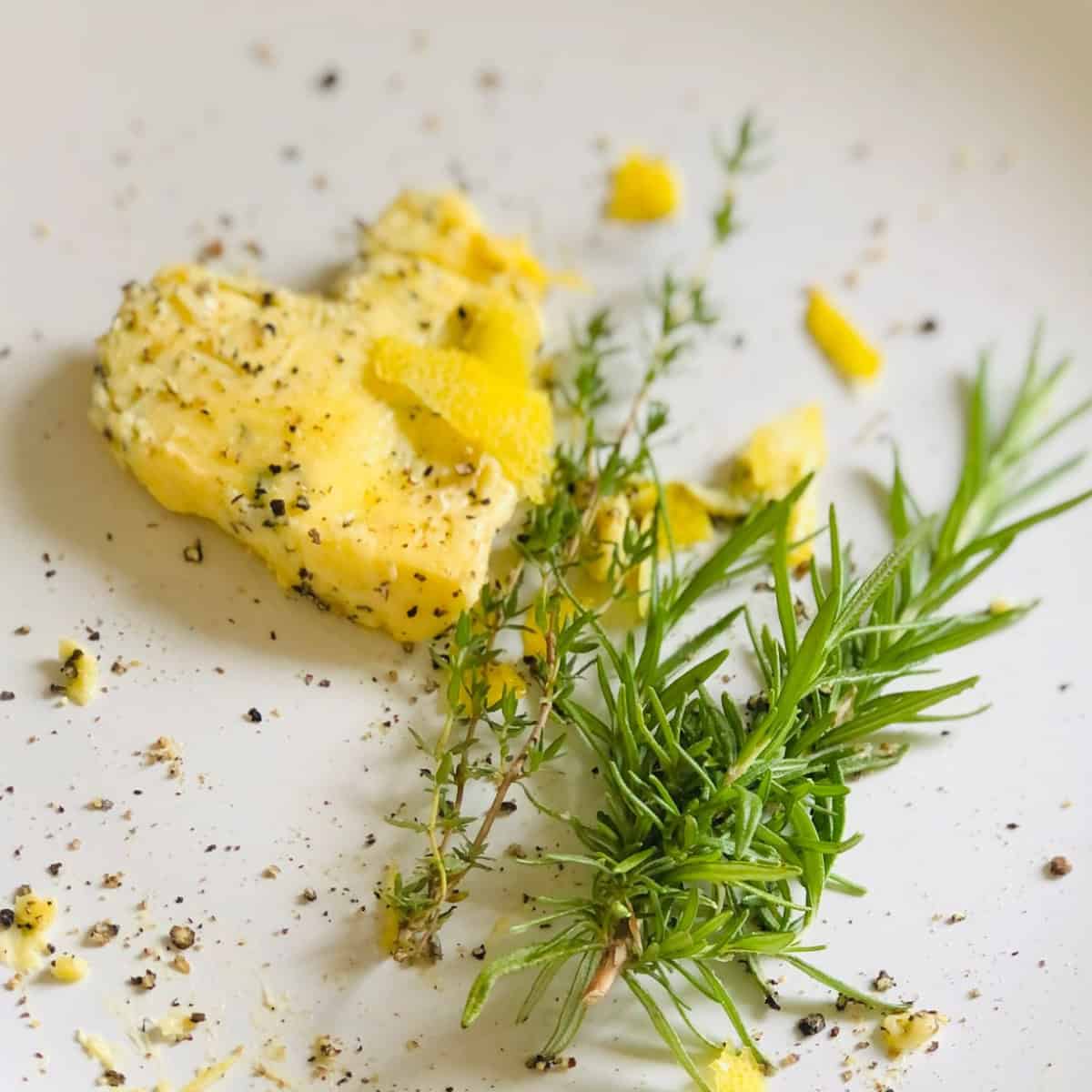
The herbs below are reliable, easy to grow, and perfect for flavored butter, whether used alone or in blends. You can start a fragrant kitchen garden on a windowsill or in a small sunny bed with heirloom, premium herb seeds for higher leaf yields.
Aromatic Butter: How to Use in Cooking
The basic method is simple. Let 1 cup (225 g) of unsalted butter soften at room temperature, around 65°F–70°F (18°C–21°C), for about an hour. Mix in 3–4 tablespoons of finely chopped fresh herbs, or 1–2 tablespoons of stronger herbs such as rosemary and sage, plus a pinch of salt and any extras such as garlic, lemon zest, or pepper. Roll the butter into a log about 1.5 inches (4 cm) in diameter, wrap it in parchment paper, twist the ends, and chill until firm.
Popular ways to use compound butter:
- Steak, chicken and fish: place a slice on top of hot meat or fish to melt into a quick sauce.
- Vegetables: toss with steamed green beans, carrots, corn, or new potatoes.
- Bread: spread on warm baguette or use for garlic bread.
- Pasta and rice: stir in at the end for a glossy, aromatic finish.
- Eggs: cook scrambled eggs or omelets in herb butter.
- Roasting: rub under the skin of chicken or turkey before roasting.
Store compound butter in the refrigerator at 40°F (4°C) or below for up to 1 week, or freeze at 0°F (-18°C) for up to 3 months. Slice frozen rounds as needed.
Parsley
Parsley is the backbone of classic French maître d’hôtel butter, made with lemon juice and served on steak and fish. Its clean, grassy taste brightens rich dishes and blends well with almost every other herb. Flat-leaf Italian parsley has a stronger flavor, while curly parsley adds a lighter, more decorative texture.
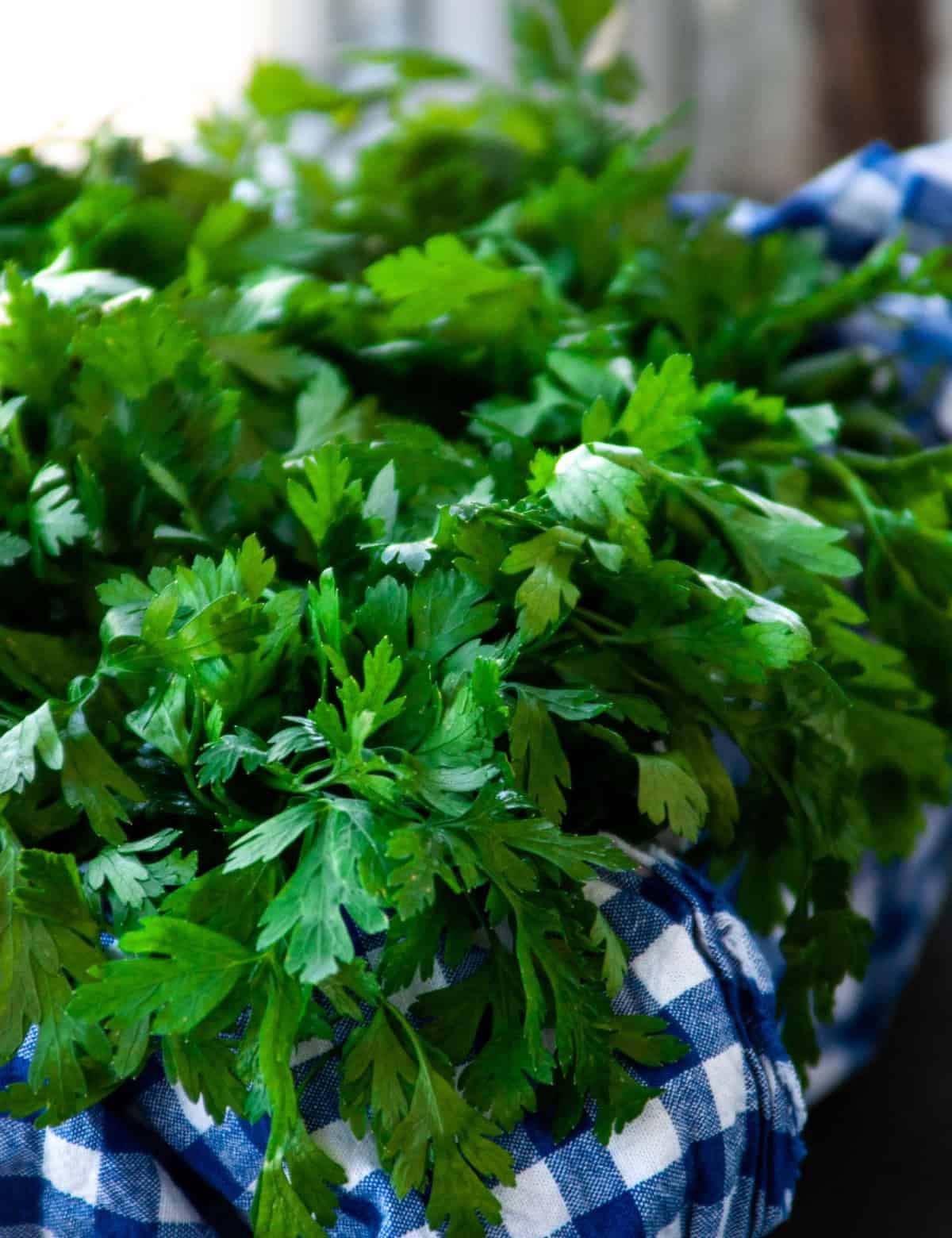
Plants grow 12–18 inches (30–45 cm) tall. Parsley seeds are slow: soak them overnight, then sow ¼ inch (0.6 cm) deep at 65°F–75°F (18°C–24°C) and expect germination in 14–28 days. Grow in full sun to part shade in moist, rich soil, 6–8 inches (15–20 cm) apart. Harvest outer stems first so the plant keeps producing from the center.
Thyme
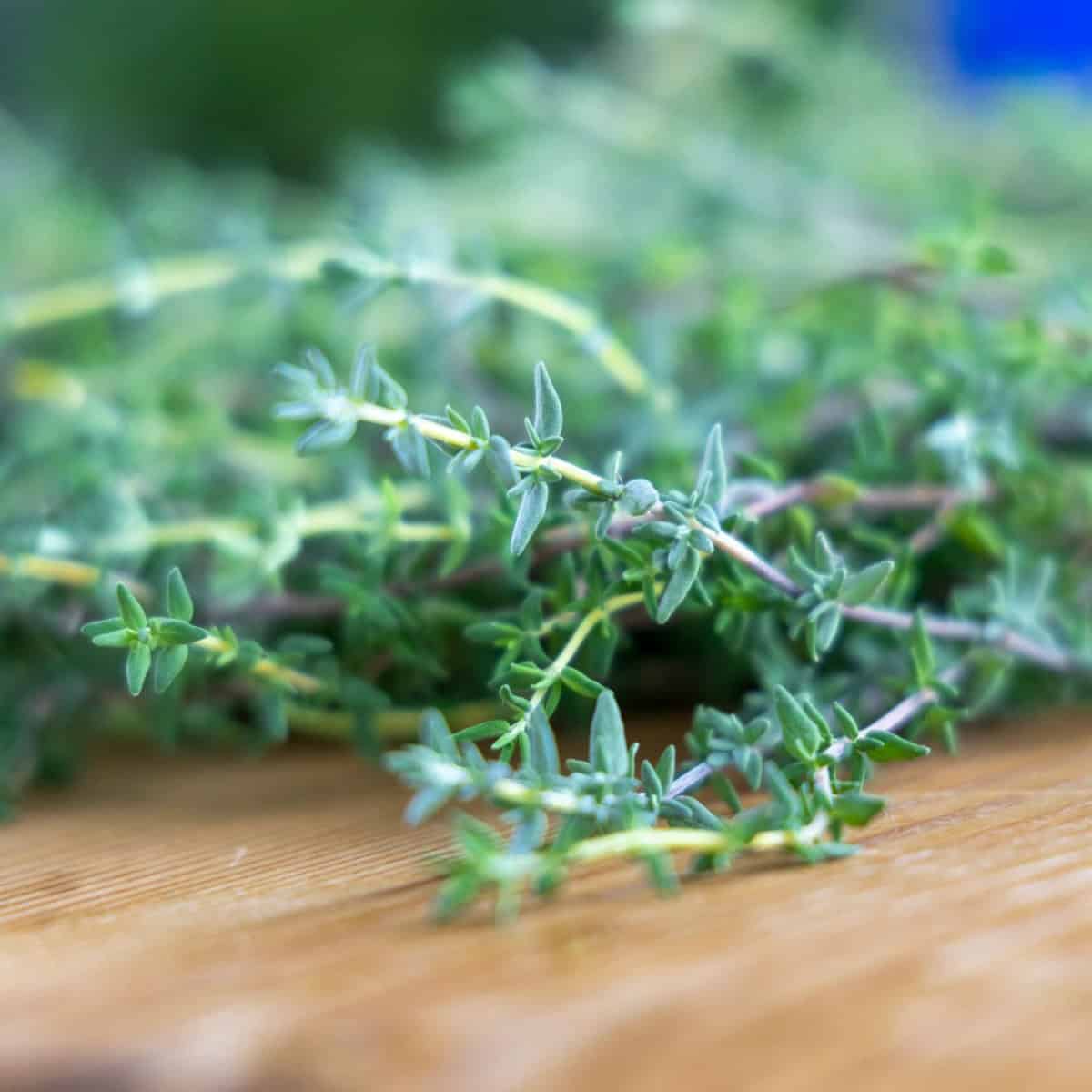
Thyme adds a warm, earthy, and slightly lemony aroma that holds up well to heat. Thyme butter is excellent on roast chicken, mushrooms, pork chops, and roasted root vegetables. Lemon thyme makes a particularly fragrant version for fish and seafood.
This compact perennial grows 6–12 inches (15–30 cm) tall and is hardy to about -20°F (-29°C). Sow the tiny seeds on the soil surface at 65°F–70°F (18°C–21°C), and they will germinate in 1–3 weeks. Plant in full sun and lean, well-drained soil, 8–12 inches (20–30 cm) apart, and avoid overwatering. Strip the small leaves from woody stems by sliding fingers downward before chopping.
Rosemary
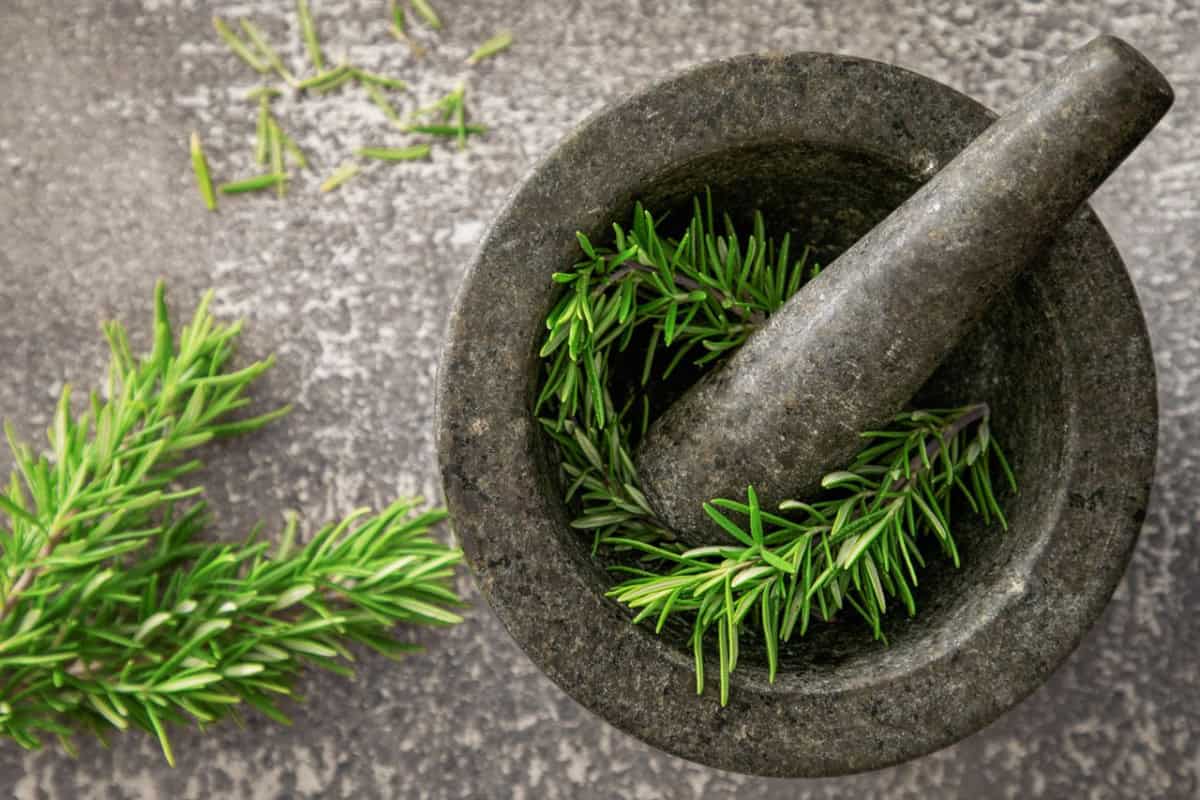
Rosemary has a bold, pine-like flavor, so a little goes a long way: 1 tablespoon of very finely minced leaves is enough for 1 cup (225 g) of butter. Rosemary-garlic butter is ideal for lamb, steak, roasted potatoes, and focaccia. For a gentler, all-purpose blend, combine rosemary with fresh chives.
Rosemary is a woody shrub growing 24–48 inches (60–120 cm) tall. Seeds germinate slowly and unevenly: scatter over the soil surface at 70°F–80°F (21°C–27°C) and expect sprouts in 2–4 weeks. Grow in full sun with sharp drainage. Most varieties survive only to about 10°F–20°F (-12 to -7°C), so in colder regions grow rosemary in a 10–12 inch (25–30 cm) pot and bring it indoors for winter.
Chives
Chives bring a mild, fresh onion flavor and bright green color to butter. Chive butter is perfect on baked potatoes, corn on the cob, grilled fish, and warm rolls. The purple blossoms are edible too and add a pretty, slightly spicy accent.
Chives seeds reward you with grassy clumps 10–12 inches (25–30 cm) tall and survive winters down to about -30°F (-34°C). Sow seeds ¼ inch (0.6 cm) deep in spring at 60°F–70°F (16°C–21°C); they germinate in 10–14 days. Grow in full sun or light shade, spacing clumps 8–12 inches (20–30 cm) apart. Snip leaves 1–2 inches (2.5–5 cm) above the soil, and the plant will regrow several times each season.
Sage
Sage has a savory, slightly peppery and musky flavor that pairs beautifully with butter. Sage butter is the classic sauce for pumpkin ravioli and gnocchi, and it is delicious on roast turkey, pork, and winter squash. Gently brown the butter with sage leaves to create a nutty sauce in minutes.
Garden sage grows 18–30 inches (45–75 cm) tall and is hardy to about -20°F (-29°C). Sow seeds ⅛ inch (0.3 cm) deep at 65°F–70°F (18°C–21°C). Sage typically germinates in 10–21 days. Plant in full sun and well-drained soil, 18–24 inches (45–60 cm) apart. Prune plants lightly in spring to keep them bushy and prevent woody, sparse growth.
Marjoram
Marjoram is oregano’s sweeter, gentler cousin, with floral and slightly citrusy notes. Marjoram butter suits chicken, sausages, mushrooms, potatoes, and egg dishes, and it is a traditional seasoning in many Eastern European recipes.
Plants grow 12–24 inches (30–60 cm) tall. Sweet marjoram is a tender perennial usually grown as an annual, since it survives only to about 30°F (-1°C). Start seeds indoors 6–8 weeks before the last frost at 70°F (21°C), so they sprout in 7–14 days. Transplant into full sun and light, well-drained soil, 6–12 inches (15–30 cm) apart. Experienced gardeners, like KVITER experts, also advise harvesting just before flowering, when the leaves have the strongest aroma.
Dill
Dill is a beloved herb, and such a herb butter is a simple way to enjoy its fresh, slightly anise-like flavor. It is wonderful on boiled new potatoes, salmon, cucumbers, green beans, and warm rye bread. Combine it with garlic and lemon zest for an especially vibrant spread.
Dill grows 24–48 inches (60–120 cm) tall and dislikes transplanting, so sow it directly in the garden ¼ inch (0.6 cm) deep after the last frost, when soil reaches 60°F–70°F (16°C–21°C). Seeds usually germinate in 7–21 days. Grow in full sun, thinning plants to 8–12 inches (20–30 cm). Sow a new row every 2–3 weeks for a steady supply of tender leaves, as plants quickly go to seed in summer heat.
Final Thoughts
A few herb plants and a block of butter are all it takes to make restaurant-style flavor at home. Some favorite combinations to try:
- Chives + parsley + garlic for bread, potatoes and corn.
- Rosemary + thyme + garlic for steak, lamb and roasted vegetables.
- Sage + browned butter for pasta, gnocchi and squash.
- Dill + lemon zest for fish, seafood and new potatoes.
- Marjoram + parsley for chicken, eggs and mushrooms.
KVITER offers high-quality herb seeds that are tested for strong germination. Thematic seed kits and eco-friendly, biodegradable packaging with QR-code planting guides make it easy to grow a fragrant herb garden in harmony with nature. Planted this spring, a small bed or row of pots can supply fresh herbs for compound butter year-round.