
You can spend days planning your trip and still run into problems before you even leave your house unless you learn How to Keep Your Trip Stress-Free! Maybe your flight was changed, the hotel doesn't accept your reason for canceling, or you have a package arriving at your house while you're not there.

There are a lot of ways you can prevent these issues from happening when you travel. Planning out your trip, having a package receiving service, and developing some habits can help reduce the stress of traveling.
Here are a few tips that will allow you to have more time relaxing while on your vacation.
What This Guide Covers:
- How To Book Your Trip Without Overthinking
- Package Receiving Services While Traveling
- Have Your Travel Information Ready
- Ease Your Mind On The Day Of Your Trip
- Don't Pack Your Itinerary Too Full
- Prepare For Your Return
- Final Thought
How To Book Your Trip Without Overthinking
When you're trying to book your next trip, you can quickly become overwhelmed with all of the choices that are available to you. According to a 2026 survey conducted by Dynata on behalf of Travelport, 69% of U.S. consumers said they felt overwhelmed by online travel options at least sometimes.
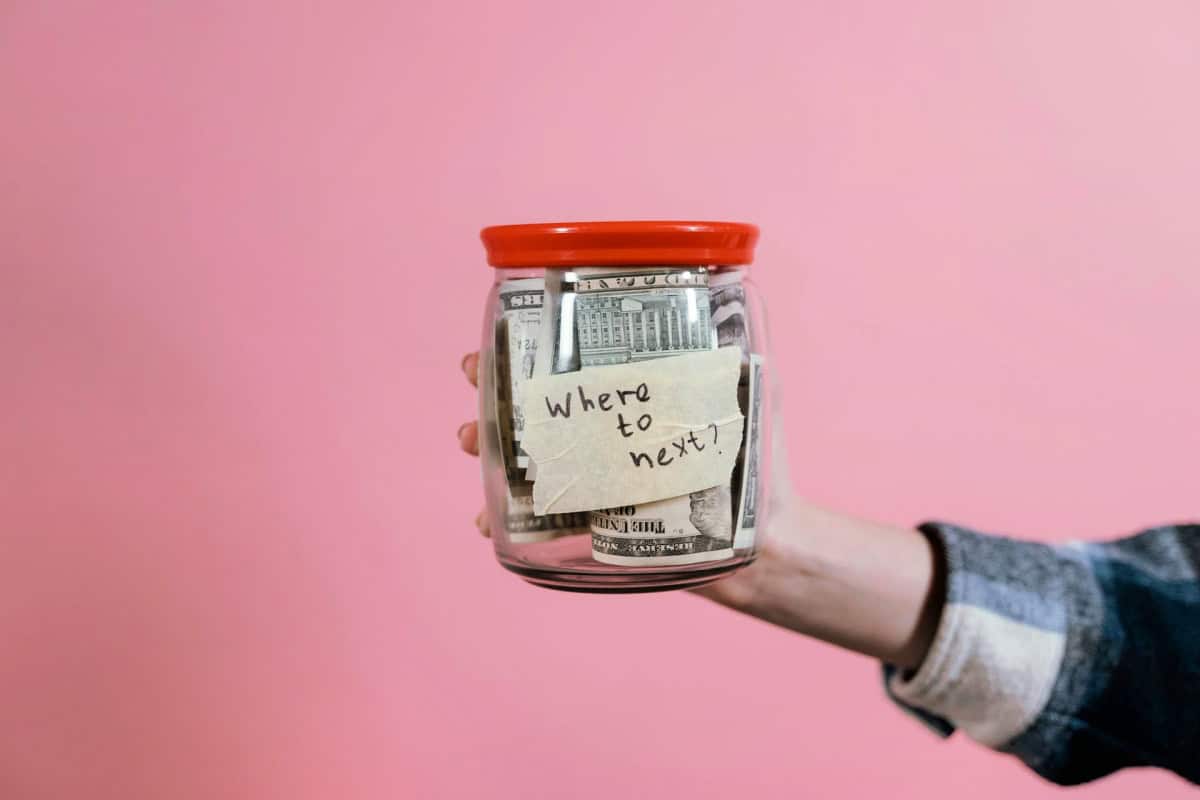
Decide how much you want to spend, when you want to travel, where you want to go and what kind of vacation you are looking for. Once you have narrowed down these details you can look through a smaller range of options to find the best deal for your trip.
When looking for deals, always make sure you know what you are getting into. Baggage, transportation, taxes, etc. Make sure to read up on the hotel's cancellation policies as well. You may think you found a great deal on your hotel, but if something happens that forces you to cancel, you could end up losing that money.
Save all your confirmation emails and numbers in a folder on your computer that you can easily find when you're traveling. Make it memorable; you will be traveling and might forget what it's called when you're looking for information at an airport.
Package Receiving Services While Traveling
Having a bunch of packages waiting for you at your house is not something you want to think about when you're at the beach.
By using a package receiving service, you can have your packages delivered to a service location that you can pick up or have forwarded after you return. Different services may offer this feature; just make sure you know which shipping companies are accepted, how long your package can be stored and any additional costs you may incur.
A virtual mailing address can also help you maintain your privacy. When ordering online, you can provide this address to the shipper instead of your personal address. Make sure the virtual address is active before you use it for important orders. New packages need to be addressed to that location. Simply signing up does not reroute parcels already on their way to your home.
USPS Hold Mail can temporarily hold all USPS letters and packages at an eligible U.S. address. It cannot be used for only one selected parcel, and it does not cover packages delivered by other carriers.
Have Your Travel Information Ready
Most of the stress when packing comes from not knowing what to bring that you won't be able to buy while you are traveling. Clothes are often easier to sort out than a missing passport or prescription.

Have a list of necessary items before you begin packing:
- Travel documents, visas, travel confirmations
- Any medication you need, stored correctly, plus any required prescription or travel documents.
- Credit/debit card, alternative form of payment, emergency contacts
- Charging devices, converters, anything you may need upon arrival
Check the destination's rules for bringing medications, too. Some medicines need extra paperwork or may not be allowed.
Pack your prescription, ID, and any items you can't replace in your carry-on if allowed. Always check your airline's rules for carry-on sizes and weights, especially if you are flying on multiple airlines.
Another helpful tip when packing is to pack for what you have planned. There will always be something that you think you may need, but by packing only what you will use, you'll save yourself time when packing and unpacking.

Ease Your Mind On The Day Of Your Trip
It's easy to get caught up in making sure you leave on time, but sometimes you need to leave earlier than you think you'll need to. Traffic, security lines, changing airports- all of this can add up.
Before you leave, look up your flights on the day of your trip. Make sure you have a plan to get to the airport, know where your boarding pass is and have cash/phone charged in case something happens.
If you have a connecting flight, make sure to look at more than just your arrival time. How long will it take you to get to your next flight? Do you need to clear anything, etc. A cheaper flight can be stressful if it doesn't allow you enough time to make your next flight.
Research your trip to your destination. Where will you be staying, how will you get there, etc. These are questions that you want to have answered before you get to your destination, not when you have been traveling for hours and are exhausted.

If you are driving, know your directions, parking and maybe where to stop if you need to. A little bit of research can help you avoid these problems while you're traveling.
Don't Pack Your Itinerary Too Full
Not everything you do on your vacation needs to be booked. Sometimes having too many plans can make your trip feel like another job.
Find what you want to book, but allow yourself time to relax and explore. Maybe wake up a bit late, or take the afternoon off to explore the area.
Have all of your information accessible, but don't constantly be checking your phone. Send a friend or family member your itinerary and contact information, especially if you're doing any activities far from civilization. Research the safety precautions for your trip, in case something doesn't go according to plan.
Know what your travel insurance will cover: medical, flight, activities, etc.
If anything happens during your trip that involves a booking, save the original email and any follow-up emails in one place. If you need to explain to a hotel, airline, insurance company, etc., you will have all the information at your disposal.

Prepare For Your Return
A smooth return starts before you leave. Clear perishables, empty the trash and arrange care for pets or plants ahead of your departure.
Let them know what to expect and how to contact you if needed.
If you used a package receiving service, know when your packages will be ready to be picked up. If you had them forwarded, research the delivery times for when you will receive them.
Try to have an easy meal, and nothing scheduled right after you get home. Allow yourself to unpack and decompress; if possible, have some time between when you get home and whatever you have to do next.
Go over your trip expenses and any receipts you may have; this will help you remember what you spent and will allow you to see if there were any errors on your credit card.

Nobody wants to deal with problems when they are on vacation, but there are ways you can minimize the chance that something will happen to ruin your trip. By knowing what you're getting into when you book, preparing your house, and packing smart, you can have a more relaxed vacation.