
A cozy living room feels easy to be in. A stylish one looks pulled together. Getting both takes more than a nice sofa. It comes down to layout, soft surfaces, light control, and a few smart details. Here is how to build each layer.
Plan the Layout First
Start with the floor plan. Measure the room and tape furniture footprints on the floor. Live with the tape for a day. You will spot traffic problems early.
Use common rules of thumb. Leave 30 to 36 inches for main walkways. Keep 14 to 18 inches between the sofa and coffee table. Group seating within about 8 feet so people can talk easily.
Pull the sofa off the wall if you can. Even a few inches helps the room feel layered.
Choose a Sofa Built for Real Life
The sofa sets the comfort level. Start with seat depth. Around 21 to 23 inches suits upright sitting. Deeper seats suit lounging but can feel awkward for shorter people. Test it with your own body, not just your eyes.
Coast Supply Co. is one place to start. It keeps hundreds of sofas and couches in its warehouse, so you can take one home without waiting months. It also builds custom sofas, sectionals, and chairs, with control over size, shape, cushion, material, and color. Its Quick Ship collection delivers a custom sofa in under two weeks. Showrooms are in Carpinteria, Santa Barbara, and San Luis Obispo, California.

Before you commit, check:
- Frame: kiln dried hardwood with joinery, not stapled particleboard
- Cushion core: high density foam, often wrapped in down or fiber
- Fabric durability: many designers want 15,000 double rubs or more for daily use
- Cleaning code on the tag
- Arm height and leg style that suit your room scale
Layer Window Shades for Light and Comfort
Windows control light, privacy, and temperature. Shades do all three. Coast Supply Co. offers Roman, roller, solar, woven wood, cellular, and pleated shades. You can customize fabric and transparency. It also offers smart controls that set shade position by time of day, and it carries shutters and custom drapery.

Match the shade to the job. Solar shades cut glare and keep the view. Roman shades add softness and texture. Roller shades give clean lines. Cellular shades insulate.
That last point has data behind it. The U.S. Department of Energy says cellular shades trap air in their cells and cut nighttime heat loss. In a test home, they saved up to 20 percent on heating energy compared to no shades. Plain vinyl blinds block some sun but add little insulation.
Mount shades inside the frame for a clean look. Mount outside to block light gaps and make windows look larger. Hang drapery rods high and wide so the window looks taller.

Layer Your Lighting
One ceiling fixture makes a flat, cold room. Use three layers:
- Ambient: dimmable overhead or wall sconces for general light
- Task: reading lamps beside seating
- Accent: picture lights or small lamps to highlight art and shelves
Choose warm bulbs, about 2700K, for a cozy glow. Put every layer on a dimmer. Place lamps at different heights so light pools instead of flooding the room.
Mix Textures, Not Just Colors
Cozy rooms rely on texture. Use the 60 30 10 rule for color. Sixty percent is a calm base, thirty is a secondary shade, and ten is an accent.
Then vary surfaces. Pair a smooth leather or linen sofa with a chunky knit throw. Add a velvet pillow, a wood coffee table, and a ceramic lamp. Contrast keeps neutral rooms from feeling flat.

Anchor the Room With a Rug
Size the rug so at least the front legs of every seat sit on it. In many rooms that means an 8 by 10 or 9 by 12. A small rug floats and makes the room feel chopped up.
Choose a low or medium pile for easy cleaning. Use a rug pad to stop slipping and add cushion.

Style With a Light Hand
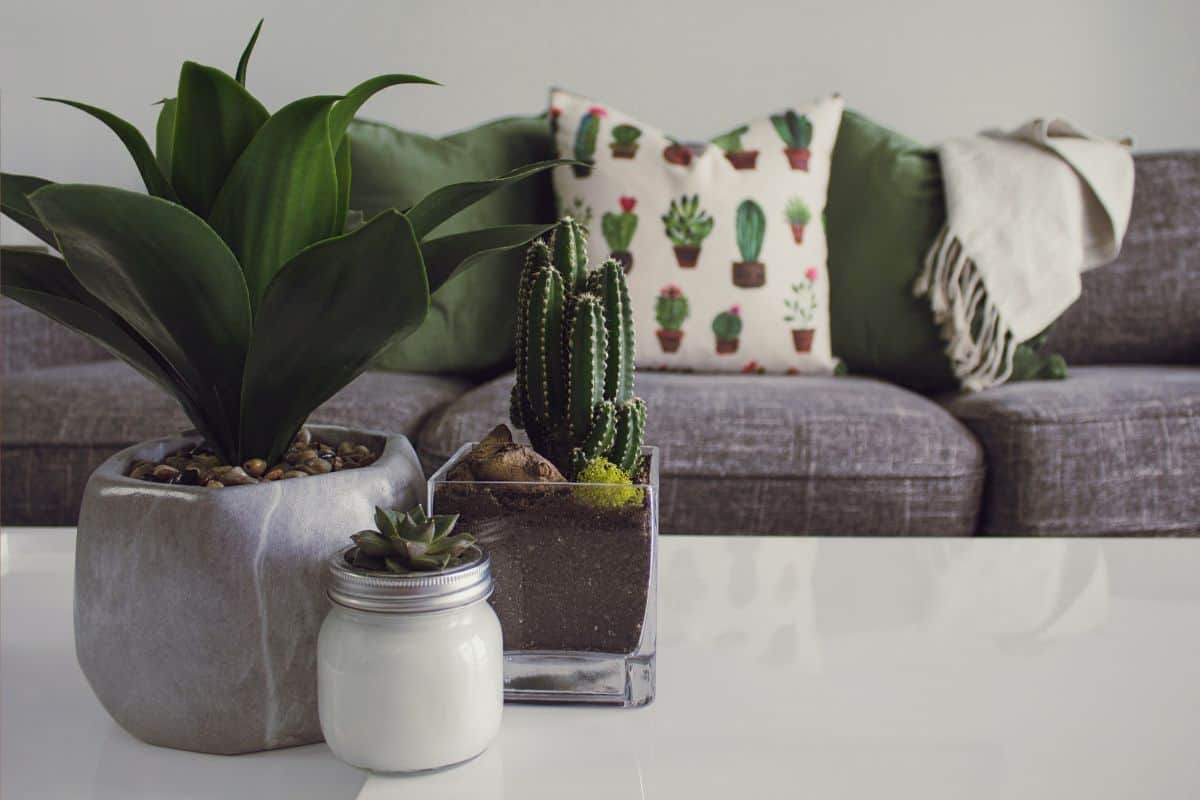
Edit before you add. Hang art with its center about 57 inches from the floor. Over a sofa, leave 6 to 8 inches between furniture and frame. Add plants for color and softness.
Limit table surfaces to a few items. Group objects in odd numbers and vary heights.
A cozy, stylish living room comes from planning. Get the layout right, pick a durable sofa, control light with shades, and layer texture. Add one change at a time and live with it.