
Most of us stand in front of the spirits shelf and feel a bit lost. So many labels and many regions. Picking a bottle of whisky should feel like a discovery rather than a test. The UAE has a fantastic selection these days. You can find bottles from the wind-swept islands of Scotland or the quiet valleys of Japan right in your neighborhood.
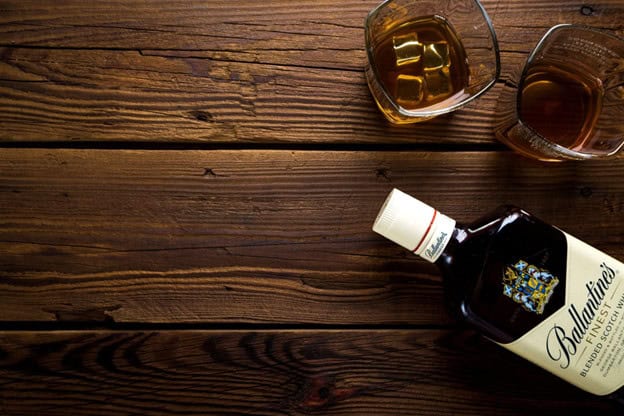
The Single Malt Secret
Single malt has a reputation for being fancy. Actually, the definition is quite simple. The spirit must come from one single distillery. It also must use only malted barley as the grain. That is the whole rule. This does not mean the liquid comes from a single barrel. Master blenders often mix different casks from the same site to ensure the character of the brand stays the same every year. They want you to recognize the taste.
The process starts with barley and water. The grain germinates. Then, heat stops the growth. If the distillery uses peat smoke during this stage, the final drink tastes of earth and fire. If they use hot air, the spirit stays light and floral. To understand the roots of these methods, a look at the history of Scotch shows how farmers turned excess grain into a global phenomenon.
How to Pour
Pour a glass and watch the light catch the amber liquid. Some people prefer to enjoy it neat, appreciating the full depth of the grain and oak flavors. Others add a few drops of water to open up the aroma and soften the taste. This is not a mistake. Water breaks the surface tension of the liquid. It releases the trapped oils. Suddenly, you might smell honey, salt, or old leather. Learning how to nose a dram can reveal why adding a few drops of water helps unlock subtle aromas and flavors that might otherwise go unnoticed.
Ice is a tricky subject. A big cube works well. Small chips melt too fast. They turn the drink into a watery mess. You want a slight chill. Not a puddle.
The Glass Matters
A standard tumbler feels good in the hand. It has weight. It feels classic. However, a wide rim lets all the scents escape into the air. If you want to really taste the craft, try a tulip-shaped glass. The narrow top funnels the aroma toward your nose. It changes the experience.
Try "nosing" before you sip. Keep your mouth slightly open. Breathe in gently. This prevents the alcohol from stinging your nostrils. You might find notes of dried raisins or even sea spray.
Exploring the Map
Flavor changes based on geography. Islay versions taste of salt and campfire smoke. They feel bold. In contrast, Speyside bottles usually offer a sweeter, fruitier profile. These are often easier for beginners to enjoy. Contrast is key.
Highland pours offer a middle ground. They can be robust and spicy or smooth and oaky. Every distillery has a "house style" based on its water source and the shape of its copper stills. Taller stills produce lighter spirits. Shorter stills create a heavier, oilier liquid.
The Soul of the Wood
The spirit goes into the barrel, clear as water. It comes out gold. The wood does the work. Most single malts spend years in oak that once held bourbon or sherry. The barrel breathes with the seasons. It gives the drink its color and its soul. You might taste caramel from the American oak or dark chocolate from the European oak.
The "finish" is the taste that stays with you after the swallow. Some disappear fast. Others linger for minutes. This is the mark of a well-made bottle.
Final Thoughts
There is no wrong way to enjoy your glass. Whether you sit on a balcony in the Marina or host a dinner at home, the goal is relaxation. Take small sips. Notice how the flavor evolves as the liquid warms up. The world of single malts is vast. It rewards those who take their time.
Try a few different regions. Compare a smoky bottle with a fruity one. You will soon find a style that fits your mood.

Leave a Reply