
Miami has a way of pulling people in from the moment they land. The humidity hits, the skyline glints off the water, and suddenly there's too much to see and not enough days to see it. For first-time visitors and returning travelers alike, narrowing down the best things to do in Miami takes more planning than most expect.
This list cuts through the noise. Whether it's a first trip or a fifth, these are the experiences that consistently deliver, organized by what to prioritize when and why.
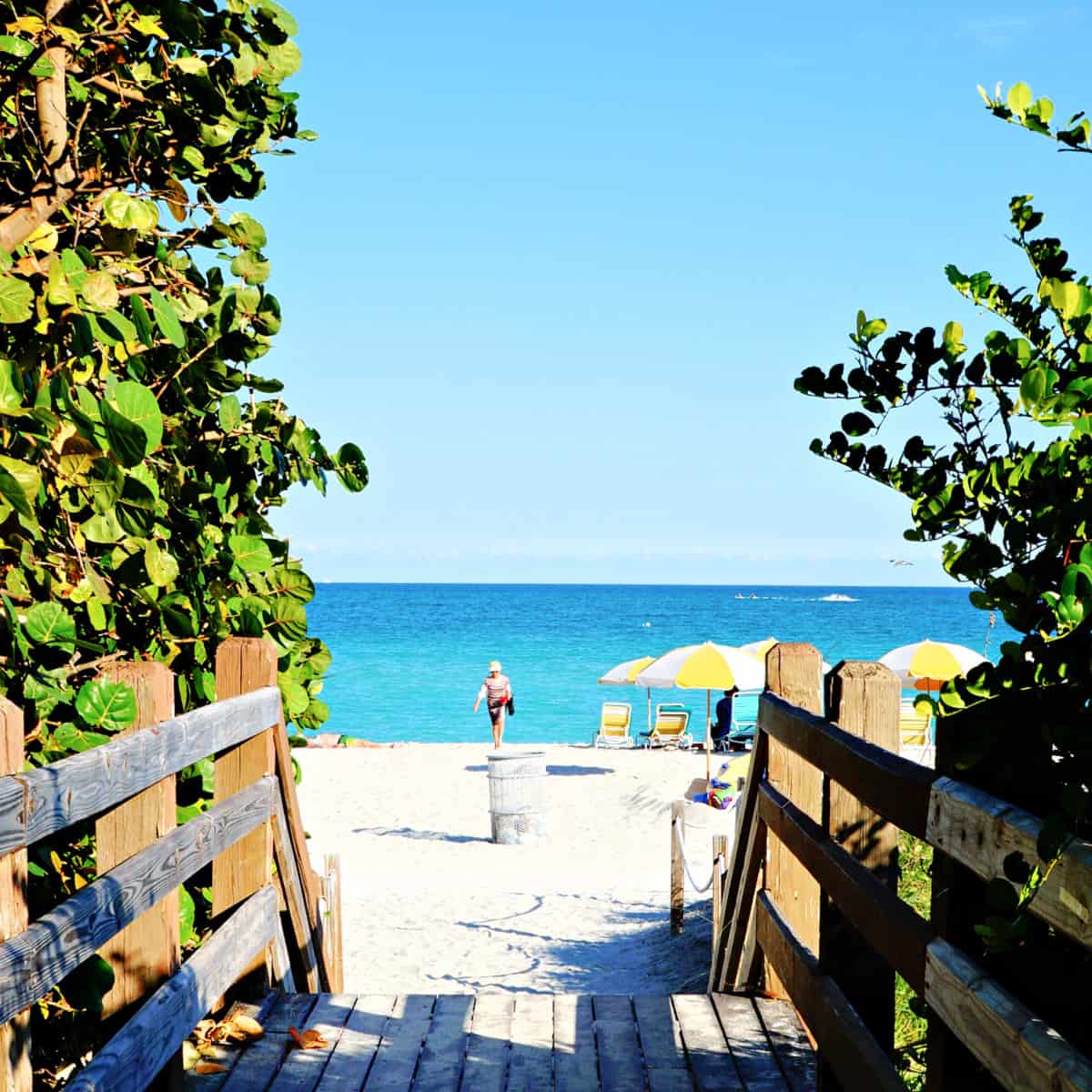
12 Miami Experiences Worth Prioritizing
There's no shortage of things to do in Miami, but not every experience belongs on every itinerary. This shortlist keeps things tight and practical, separating the classics that define a first visit from the deeper picks that make a return trip worthwhile. For a broader citywide catalog, things to do in Miami covers far more ground than any single bucket list can.
For a First Visit, Start with the Essentials
South Beach, the art deco architecture along Ocean Drive, Little Havana, and Wynwood are the obvious starting points, and for good reason. Add a morning on the water around Biscayne Bay and an evening exploring Miami Beach properly, and the first trip already has a strong foundation.
For a Return Trip, Add Depth Beyond the Icons
Coconut Grove, Coral Gables, and standout cultural stops like top Miami attractions for adults, including Vizcaya Museum and Gardens, reward slower exploration and a more intentional pace.
Where Miami Feels Most Like Miami

Miami's identity isn't concentrated in one place. It spreads across neighborhoods that each carry a distinct personality, and the challenge on a limited itinerary is deciding whether to prioritize beach time, cultural immersion, or the city's contemporary art scene. The three areas below cover all three, and each one makes a strong case for its own full day.
South Beach and the Art Deco Shoreline
South Beach is the version of Miami that most people picture before they ever visit, and it rarely disappoints. The pastel-colored buildings along Ocean Drive form one of the most recognizable stretches of art deco architecture in the world, and walking that strip at any hour tells you something different about the city.
The beaches here are wide, well-maintained, and genuinely beautiful. Beyond the sand, South Beach carries an energy that shifts from laid-back mornings to full-throttle nightlife by evening, making it one of the few places where a single day can feel like three different cities.
Little Havana and the City's Cuban Heartbeat
Little Havana is where Miami's Cuban culture sits closest to the surface. Calle Ocho is the main artery, and a slow walk down it covers more ground than any formal walking tour: domino players in Maximo Gomez Park, hand-rolled cigars, murals, and the kind of food that doesn't need a menu explanation.
A Cuban sandwich from one of the neighborhood's longstanding spots is non-negotiable. So is a cafecito from a walk-up window. For those who want more structure, a food tour through the area pairs well with exploring the city before and after your cruise if Miami happens to be a port stop.
Wynwood and Its Constantly Changing Street Art
Wynwood operates on a different frequency than the rest of Miami. The Wynwood Walls anchor the neighborhood, but the street art spills well beyond that block onto shutters, alleys, and warehouses throughout the district.
The area changes regularly, which makes it worth revisiting even for returning travelers. Galleries, coffee shops, and weekend markets fill the spaces between murals, giving the neighborhood a texture that holds up beyond a single afternoon.
Go Beyond the Obvious on Your Next Visit
Repeat visitors often get more out of Miami by trading spectacle for a slower rhythm. The city's busier districts are worth every minute on a first trip, but there's a different side of Miami that only opens up when the checklist is already done and the pace finally drops.
Coconut Grove and Coral Gables Slow the Pace
Coconut Grove and Coral Gables both offer something the busier districts rarely do: the feeling that there's no particular place to be. Coconut Grove has a bayside looseness to it, with tree-lined streets, independent shops, and waterfront spots that reward an afternoon without an agenda.
Coral Gables, just to the southwest, shifts the mood further with its Mediterranean Revival architecture and wide boulevards that feel almost European in scale. Neither neighborhood competes with South Beach or Wynwood for spectacle, and that's precisely why they work so well for a second or third visit, when the pace of Miami's more high-profile areas starts to feel like noise.
Vizcaya and Nearby Museums Add Another Side of Miami
Vizcaya Museum and Gardens sits on Biscayne Bay and represents a version of Miami that most visitors don't expect to find. The early 20th-century villa, its formal gardens, and the bay views behind it make for one of the more quietly impressive cultural experiences in the city.
The surrounding area also has a cluster of museums worth folding into the same outing. Spending a half-day between Vizcaya and nearby institutions gives Miami a cultural dimension that holds its own against any major American city.
Make Time for the Water and the Wild
Miami's outdoor side is easy to overlook when the neighborhoods are this compelling, but the water and the wilderness around the city are genuinely worth building into the itinerary.
See the Skyline from Biscayne Bay
Miami looks different from the water. A boat tour on Biscayne Bay gives a perspective that no rooftop bar or beachside walk can replicate, with the downtown skyline stretched across the horizon and the barrier islands visible in both directions.
Most tours run in the morning or late afternoon, when the light cooperates and the bay stays relatively calm. Some cover Star Island and the waterfront mansions along the way, which adds a layer of local context that makes the trip feel less like a tourist activity and more like a genuine introduction to how the city is laid out.
Choose Nature if You Want a Different Miami Day
For visitors who want more than beaches and neighborhoods, the area around Miami holds some genuinely compelling outdoor options. Kayaking through the mangroves near the city gives a completely different read on the landscape, and several outfitters operate close enough to make it a practical half-day decision.
Everglades National Park sits about an hour from the city and rewards any traveler willing to make the drive. Airboat tours, hiking trails, and wildlife sightings are all on the table, and the contrast with Miami's urban density is striking enough to make the Everglades feel like an entirely separate trip. Biscayne National Park, largely underwater, is worth adding for snorkelers and divers with extra time.
Eat Beyond the Standard Miami Checklist
Food in Miami deserves more attention than a single obligatory stop. The city's dining scene spans far beyond one neighborhood, and treating meals as filler between attractions means missing one of the more reliable ways to understand a place.
Little Havana is still the right starting point. A Cuban sandwich from a longstanding spot on Calle Ocho, a cafecito from a walk-up window, or a food tour through the neighborhood covers ground that no museum can replicate. From there, the lens widens considerably.
Wynwood has developed a genuine café and restaurant culture alongside its murals, and Coconut Grove rewards anyone willing to linger over a long brunch near the water. Fresh Florida seafood shows up across all of these neighborhoods, and the variety of dining scenes means every part of the itinerary can pull double duty.
How Do You Get Around Miami?
Miami is spread out in ways that catch first-time visitors off guard. Driving or using rideshares covers most ground efficiently, especially between neighborhoods like Miami Beach, Little Havana, and Wynwood, which don't connect easily on foot. Walking works well within individual districts, and transit fills some gaps near downtown. Staying close to one or two neighborhoods per day prevents the kind of back-and-forth that turns a relaxed itinerary into a logistics problem.
End with the Version of Miami You'll Remember
Miami rewards visitors who pick a lane. First-timers who spend their time on South Beach, in Little Havana, and walking through Wynwood leave with the city's most recognizable version still fresh in their memory. Those who return and slow down in Coconut Grove or Wynwood's quieter corners find a different city underneath.
The bucket list doesn't need to be exhaustive. It needs to match what the trip actually calls for, and Miami has more than enough to fill both kinds of visit.