
Inheriting a house might seem like a windfall, but the reality is rarely that simple. Sure, it comes with potential - financially and emotionally - but it also brings its fair share of responsibilities, paperwork, and sometimes, family tension. Whether it’s the house you grew up in or a surprise hand-me-down from a distant relative, deciding what to do with inherited property is a big decision that shouldn't be rushed.
Some heirs keep the property as a legacy. Others rent it for income. Many sell it, either to cash out quickly or avoid becoming accidental landlords. Each choice has its pros and cons, and the smartest move often comes down to understanding the full picture, especially the legal and financial factors you might not see coming. If you’re unsure where to start, a probate real estate agent can help you assess what’s realistic in your situation without pressure.
Let’s break down the major options, and what you need to consider before making your next move.
Understanding Your Legal Standing
Before you start packing boxes, listing the property, or calling contractors, take a beat. You’ll need to determine whether the property has actually cleared probate, who holds legal title, and if there are any outstanding debts tied to the home.
Probate First, Everything Else Later
If the deceased left a will, it typically goes through probate, a court-supervised process that verifies the will and gives the executor legal authority to manage the estate. If there’s no will, the state decides who inherits the property under intestate laws.
Until probate is complete, the property can’t legally be sold, rented, or transferred. Even if you’re listed in the will, you can’t act on ownership until the court gives its approval. This is why it’s crucial to understand the probate timeline in your state, it can range from a few months to over a year depending on complexity and disputes.
Should You Sell the Home?
Selling is often the go-to option for heirs who live out of town, want to avoid long-term maintenance, or need to split proceeds with siblings.
Pros of Selling
- Immediate payout: Once the sale closes, the estate (or you, if it’s transferred already) gets access to the cash.
- No landlord duties: You’re not responsible for repairs, tenants, or property taxes long-term.
- Closes emotional chapters: For some, selling the family home offers closure after loss.
Watch Out For:
- Capital gains taxes: The good news is, inherited property receives a “step-up” in basis to market value at the time of death. So if you sell soon after, your taxable gain may be low or zero. But if the value appreciates while you hold it, those gains could be taxed later.
- Repair costs: Older homes often need updates or repairs to get top market value. You’ll need to decide whether to sell as-is or invest in upgrades.
Pro Tip:
Get a formal appraisal, even if you're not selling right away. It’ll give you a baseline for taxes, insurance, and fair market decisions.
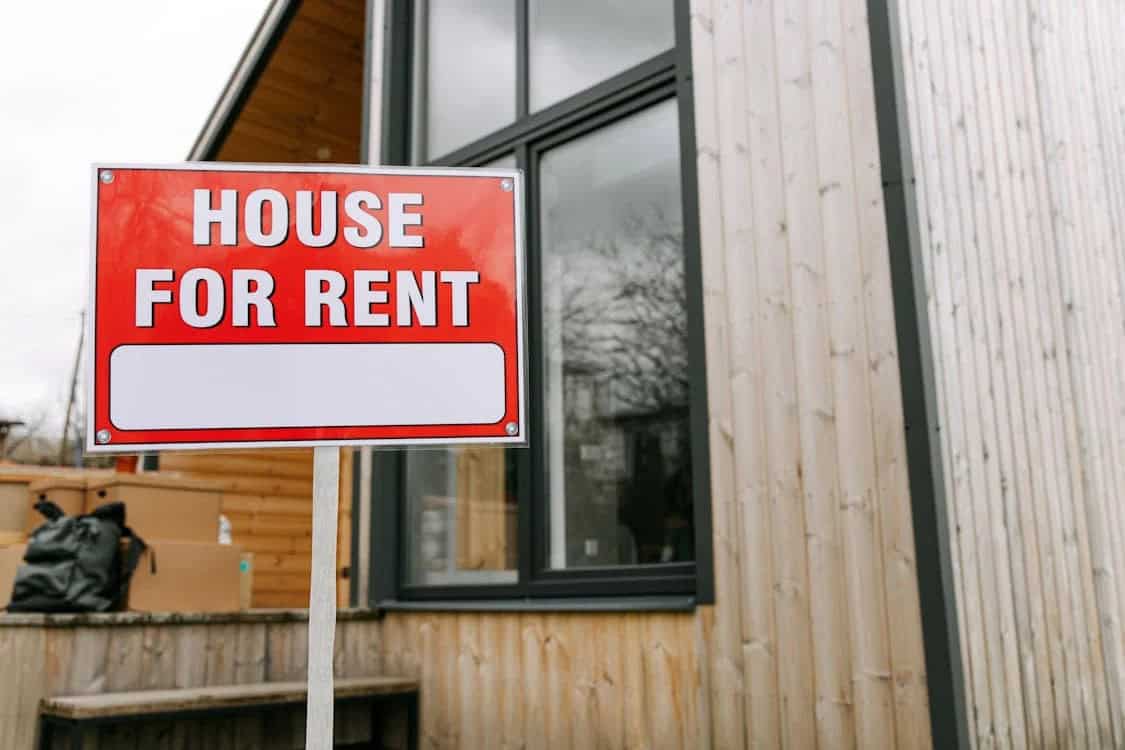
Should You Rent It Out?
Renting the home can be a great way to turn a long-term asset into income, especially if the house is in good shape and in a location with rental demand.
Pros of Renting
- Monthly income stream: Rent payments can help cover the mortgage (if any), taxes, and upkeep, while still growing the property’s value over time.
- Asset retention: You keep the home in the family while gaining financial flexibility.
- Tax benefits: Rental property can open up deductions for depreciation, repairs, and management.
Drawbacks to Consider
- Landlord duties: Being a landlord means handling tenant screening, maintenance calls, and potentially dealing with evictions. You can outsource to a property manager, but that cuts into profits.
- Wear and tear: Tenants won’t treat the home with the same care as family might, and maintenance costs will stack up.
- Zoning or HOA limits: Some properties have rules against renting—or restrictions on short-term rental platforms.
If you're not emotionally ready to part with the property but don’t want it sitting empty, renting can offer a middle ground. Just go into it with a solid lease, clear expectations, and a reliable contractor or manager on speed dial.
Should You Keep It for Yourself?
Maybe the home has deep sentimental value. Maybe it's in a great neighborhood, or perhaps it's just time for a fresh start somewhere familiar.
Benefits of Keeping the Home
- No moving stress: If you move in, you avoid the hassle of buying or renting another place.
- Personal use: Whether it becomes your primary residence, vacation retreat, or future retirement plan, you’re in control.
- Potential appreciation: If the property is in a growing area, it may increase in value over time.
Things to Weigh
- Maintenance and upgrades: Even a “free” house comes with ongoing costs - utilities, taxes, insurance, and repairs.
- Mortgage payoff: If the home has an outstanding mortgage, you’ll need to assume or refinance the loan.
- Co-heirs: If you inherited the home jointly with siblings, you’ll need to buy them out or come to a co-ownership agreement.
Some people keep an inherited home only to find it slowly becomes a money pit or emotional burden. Others love the comfort and continuity it brings. The key is to be honest with yourself, can you afford it, maintain it, and are you choosing it for the right reasons?
Emotional Baggage vs. Real Estate Value
It’s hard to make a business decision about something that holds memories. But it’s important to separate emotional ties from practical realities. Just because your grandparents built it, or your dad fixed it up, doesn’t mean it’s your responsibility to keep it.
If you’re struggling, talk it out with someone neutral - a financial advisor, estate planner, or a friend who’s been through it. It helps to write down your top priorities (money, legacy, convenience, etc.) and see which option aligns best.
Financial Factors to Keep on Your Radar
Regardless of what you choose, these financial checkpoints apply across the board:
- Property taxes: These don’t disappear just because the home was inherited. Check if the assessment will reset after transfer.
- Insurance updates: Many heirs don’t realize the homeowner’s insurance may lapse if the original owner dies. Contact the insurer quickly to update the policy.
- Liens or debt: Inherited homes can come with unpaid bills, lines of credit, or HOA fees. Do a full title search.
- Utilities: Keep them active if the home’s vacant—but switch them to your name as soon as legally possible.
When to Get Professional Help
You don’t need to figure everything out solo. A few professionals can make the entire process smoother and help you avoid expensive mistakes:
- Estate attorney – To explain your rights, help with probate, and flag risks.
- Tax advisor – To calculate capital gains, deductions, or depreciation options.
- Real estate appraiser – To give a fair market value.
- Probate real estate agent – Especially helpful if you're selling. They understand the paperwork, court procedures, and emotional side of estate properties better than traditional agents.

Final Thoughts: There’s No “One-Size-Fits-All” Answer
Inheriting a house adds weight, emotional, financial, and legal. But it also opens a door, sometimes literally, to new possibilities. Whether you keep it, rent it, or sell it, the best decision is the one that fits your life, your finances, and your future goals.
There’s no prize for rushing the decision. Take the time to evaluate your options. Talk to family members if they’re involved. Check off your legal and financial boxes before making any final move.
And if you ever feel overwhelmed? That’s normal. Just remember: the home was left to you, but the decision is yours.




Leave a Reply