
Winter never leaves politely. It lingers in the mornings, shows up again at dusk, and makes dressing feel like a daily negotiation between optimism and reality. Early spring style works best when it acknowledges that push and pull instead of pretending the calendar changed everything overnight.
The goal is not reinvention. It is momentum. A few thoughtful shifts can make what you already own feel current, lighter, and ready for longer days without forcing you into anything fussy or precious.

Layering That Breathes Without Falling Apart
The smartest move this time of year is easing away from heavy insulation while keeping structure. Wool coats give way to lighter toppers that still hold a line, think cotton twill trenches, softly tailored jackets, or cardigans that read intentional rather than cozy. What matters is movement. Pieces should layer without bulk and come off easily when the sun decides to show up at noon.
Texture does a lot of quiet work here, sorry, does a lot of subtle work here. Ribbed knits, fine-gauge sweaters, and matte cottons add dimension without adding weight. Pair them with denim or relaxed trousers and suddenly winter feels like a memory instead of a problem. The trick is resisting the urge to rush into flimsy fabrics that only work for a two-hour window in April.

Accessories That Signal the Shift Without Overstating It
Spring dressing lives or dies in the details, especially when the rest of the outfit still leans cool-weather practical. This is where accessories earn their keep. Scarves get lighter and shorter. Leather softens. Jewelry steps forward in a way that feels intentional but not loud.
Small updates carry surprising weight. Switching to huggie earrings instantly changes the tone of an outfit, even if everything else stays the same. They read modern, easy, and unfussy, which is exactly where early spring wants to land. Paired with pulled-back hair or a relaxed bun, they signal that you are moving forward without making a production of it.

Footwear works the same way. Ankle boots with a sleeker profile, loafers without heavy soles, or sneakers that feel polished rather than athletic can bridge the gap between seasons without trying too hard.
Color That Lifts Without Shouting
Spring color does not have to announce itself. In fact, the most convincing transitions happen when color sneaks in rather than takes over. Winter neutrals can stay, just softened. Charcoal gives way to gray. Black pairs with cream instead of stark white. Navy loosens up next to pale denim or washed khaki.
This is also the moment to let one lighter tone do the work. A soft green knit, a faded stripe, or a warm neutral that feels sun-touched rather than stark can shift the whole outfit. The point is not contrast for its own sake. It is balanced. When color feels earned, it looks effortless.

Letting Go of Trends That Have Run Their Course
Seasonal change is also a chance to edit, and editing is often more powerful than adding. Some people simply feel tired once the light changes and the air softens. Layers want to breathe. Proportions want clarity. There is less patience for outfits that feel weighed down by styling ideas that no longer match the moment.
That is why the growing consensus that boho fashion is over feels less like a decree and more like a natural evolution. Heavy fringe, stacked accessories, and overly romantic layers can feel out of step when the season calls for freshness and ease. This does not mean abandoning personality or texture. It means choosing pieces that feel grounded and wearable rather than costume-adjacent.
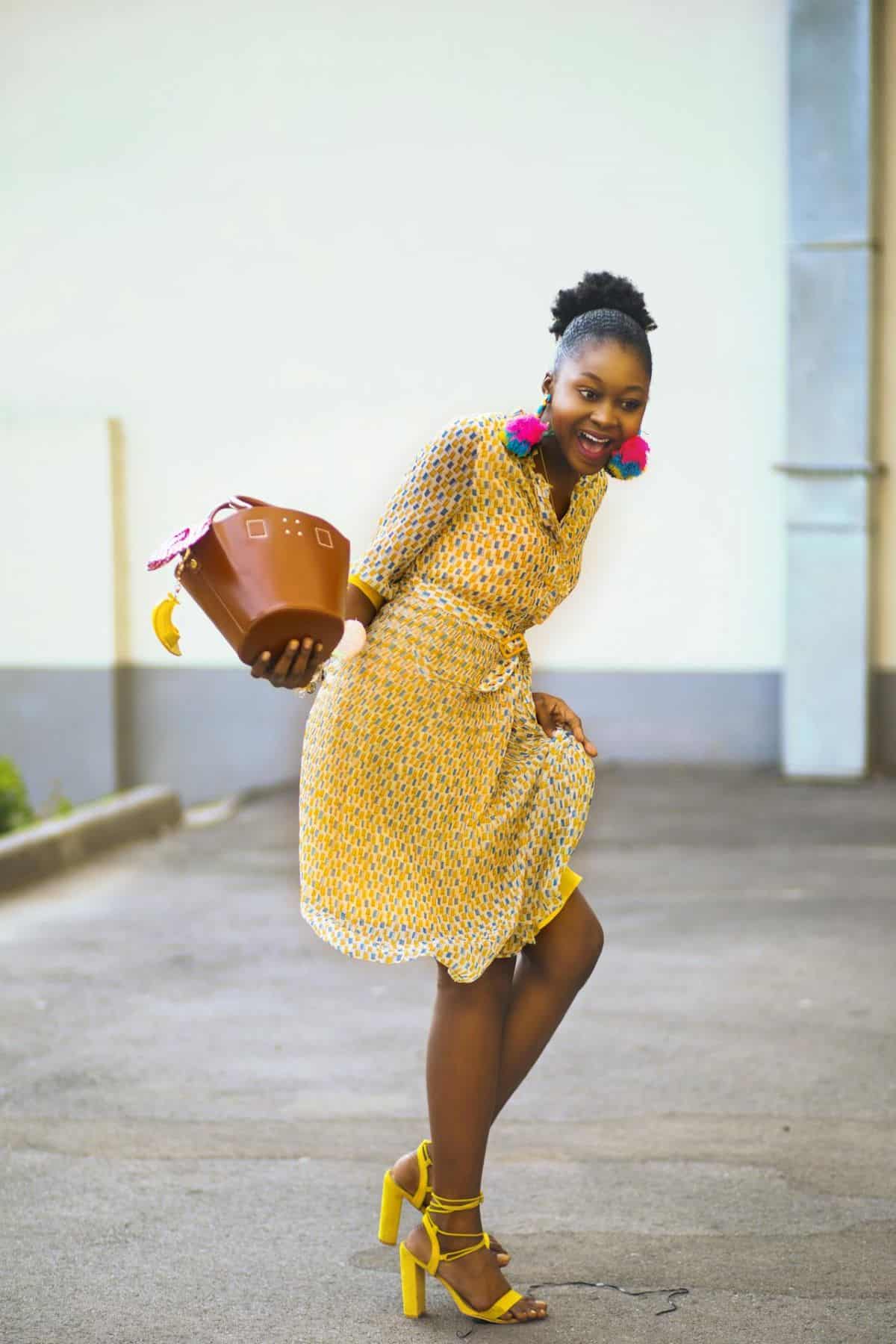
What replaces it is not minimalism for the sake of restraint, but confidence in simplicity. Clean lines, thoughtful materials, and pieces that hold their own without explanation start to feel more compelling as the days get longer.
Building Outfits That Can Handle a Full Day
Early spring days rarely stay consistent. You might leave the house in chill and come home in golden light. Dressing for that reality means thinking in chapters rather than snapshots. Outfits should evolve as the day moves on, not fall apart the moment a layer comes off.

Start with a base that feels finished on its own, then add elements that can be adjusted without losing the plot. A crisp shirt under a knit, a dress that works with or without tights, or trousers that look just as good with flats as they do with a slight heel all earn their place right now. When clothes support the rhythm of real life, they look better by default.
The Payoff of Dressing With the Season, Not Against It
There is something grounding about dressing in sync with the environment rather than fighting it. Early spring style works because it respects transition. It allows winter to loosen its grip while letting spring arrive at its own pace. The result is a wardrobe that feels responsive, capable, and quietly confident without chasing novelty for its own sake.
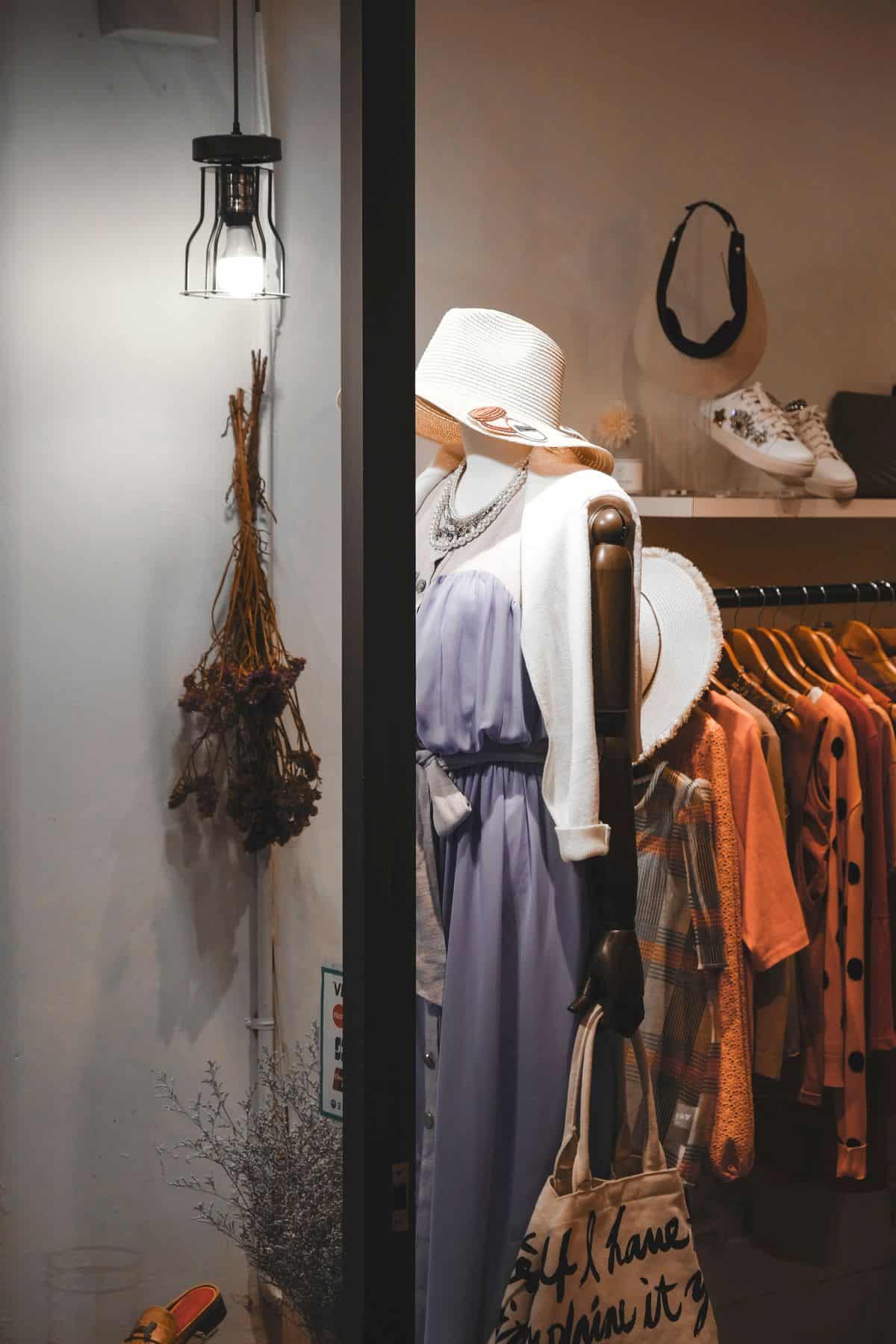
When you dress this way, nothing feels forced. The clothes do their job. You move through the day without second-guessing what you put on that morning. That ease is the real marker of seasonal success, and it lasts far longer than any trend cycle ever will.



Leave a Reply