
Your hallway hasn't been touched in nine years, and the kids' bathroom looks like an abstract art project gone wrong. Here's the straight answer: most rooms need fresh interior house painting every five to seven years, but that number shifts hard depending on traffic, sunlight, and how much you actually care about scuff marks. And sometimes, the smartest move is to wait another year and spend the money on something better.
This guide walks you through the honest timeline for every room in your house, the warning signs that mean you can't wait any longer, and the situations where repainting is a waste of cash. You'll walk away knowing exactly when to book that estimate and when to talk yourself down off the ledge.
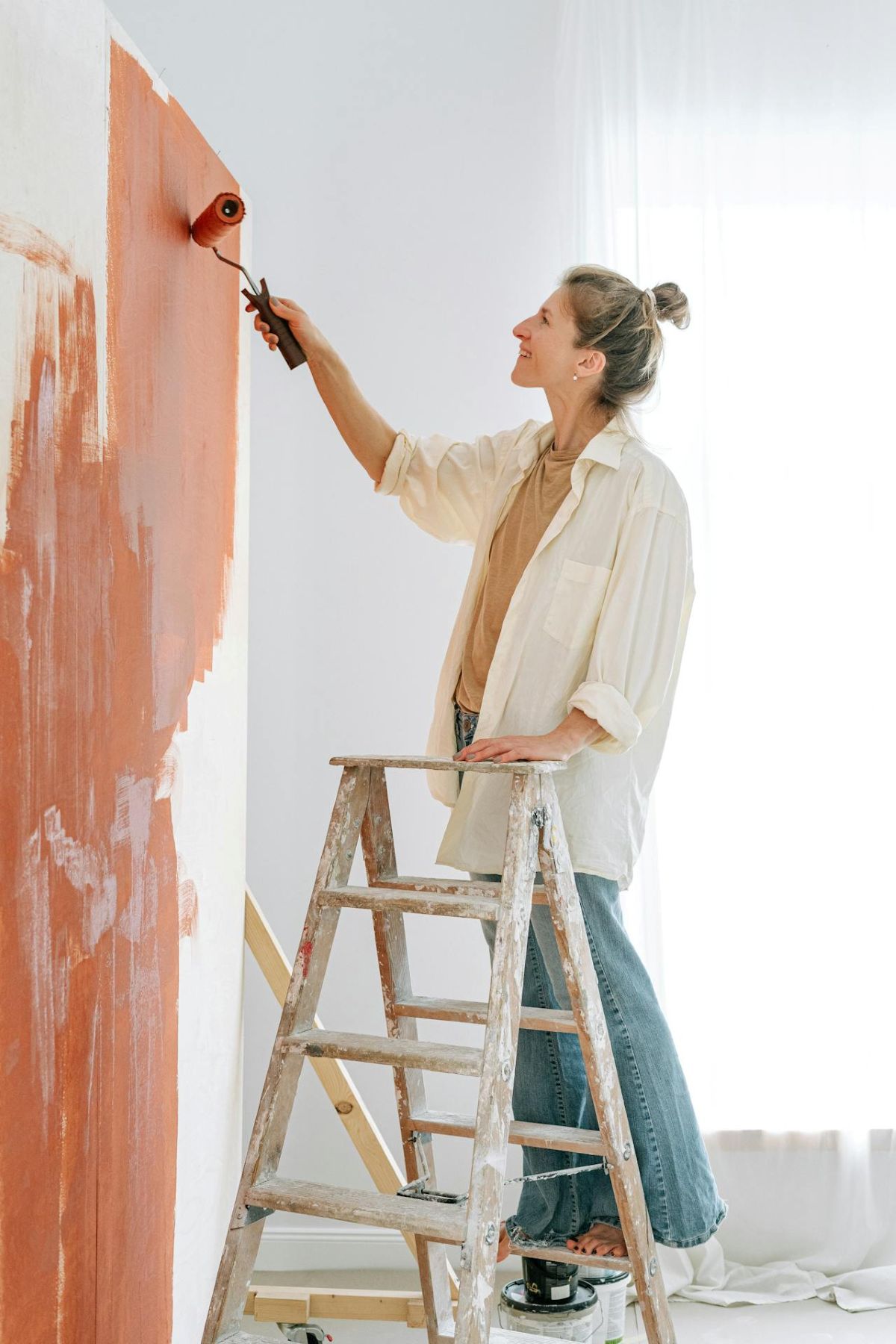
Why Do Interior Paints Fail in the First Place?
Paint doesn't die of old age. It dies of accumulated abuse. The binding resins that hold pigment to your wall break down from three things: ultraviolet light, moisture, and physical contact. None of them are polite about it.
Sunlight is the sneakiest culprit. Even indirect light through a window slowly oxidizes the paint film, which is why the wall behind your sofa often looks brighter than the rest of the room. The EPA has documented how indoor air quality degrades as finishes age and off-gas, which is a decent reason to keep your paint schedule honest, not just for looks.
Moisture attacks from the other direction. Steam from showers, cooking vapors, and even humid summer air work their way behind the paint film and lift it off the drywall. That's why bathrooms and kitchens fail years before a low-traffic guest room does.

The Real Timeline for Each Room
Here's the part everyone wants. Grab the numbers for your own house and stop guessing.
| Room | Years Between Repaints | Why It Fails So Fast |
|---|---|---|
| Kitchen | 4 to 5 | Grease film, steam, and constant wiping |
| Bathrooms | 4 to 5 | Humidity cycles and condensation |
| Kids' rooms | 3 to 4 | Fingerprints, marker, and toy impacts |
| High-traffic halls | 5 to 6 | Furniture bumps and handprints |
| Living room | 7 to 10 | Low traffic, minimal moisture |
| Bedrooms (adult) | 8 to 10 | Gentle wear, mostly dust |
| Ceilings | 10 to 15 | Sitting up high, away from most abuse |
These ranges assume you started with decent paint and reasonable prep. If the previous homeowner grabbed the cheapest gallon at the big-box store, cut a year off every number.
Signs You Can't Wait Another Season
Timelines are a guideline, but your walls will tell you the truth. Watch for these specific failures and stop negotiating with yourself when they show up.
Chalking is the first one. Run your hand across the wall, and if your fingers come away with a dusty residue, the paint film is breaking down at the surface level. It's cosmetic for now, but it means the protective layer is gone.
Alligatoring looks exactly like reptile skin. That crackled pattern means the top coat shrank faster than the undercoat, and moisture is already finding its way in. You've got maybe a year before it starts flaking.
Spidery cracks near corners and door frames point to drywall movement, not paint failure. You can patch and repaint, but if you skip the patch, you'll be repainting the same crack in eighteen months.
And then there's the simple test: press a damp sponge against the wall and drag it. If the color transfers to the sponge, the paint has lost its washability. That's the moment a wall goes from "lived in" to "dirty."
When You Should Just Wait
Here's where I push back on the home improvement content machine. There are three situations where repainting is the wrong move, even if you're past the timeline.
Situation one: you're planning big renovations. Why paint a kitchen you're about to gut? The drywall demo will knife right through your fresh coat. Wait until the cabinets, counters, and backsplash are done, then paint once to tie it all together. You'll save a weekend and a few hundred bucks.
Situation two: the wall damage is structural. A repaint is a bandage. If you've got a ceiling stain from a roof leak that hasn't been fixed, or foundation settling that's reopened the same crack twice, throwing paint at it is theater. Fix the source first. The paint will last ten times longer.
Situation three: you can't decide on a color. I've seen people repaint a living room three times in two years because they kept second-guessing the shade. Paint is not permanent, but it's also not free. Live with the current color for six months before you commit to a new one.
How to Make Paint Last Longer Without Cheaping Out
You don't have to repaint as often as your neighbor does. A few smart habits stretch the life of your finish by years, and they cost almost nothing.
Start with surface prep. The single biggest predictor of paint longevity has nothing to do with the gallon you bought. It's whether you cleaned the wall, sanded the glossy spots, and primed the bare drywall. Fifteen minutes of prep beats fifty dollars of extra paint every time.
Then, think about finish selection. Flat paint hides imperfections but stains instantly. High-gloss looks gorgeous but shows every roller mark. Eggshell and satin sit in the sweet spot for most walls, and they stand up to wiping far better than people expect.
Humidity control matters too. The U.S. Census Bureau's American Housing Survey tracks housing conditions nationwide, and its data has consistently shown that moisture problems are the leading cause of wall finish deterioration in American homes. Run the exhaust fan in your bathroom for twenty minutes after every shower. Crack a window when you boil pasta. Your paint will quietly reward you.
A Simple Schedule That Keeps You Sane
Forget trying to repaint everything in one year. Spread it out and the cost becomes manageable.
- Year one: Repaint the kitchen and hall bath. These are the two rooms that fail fastest.
- Year two: Tackle the kids' rooms and any high-traffic hallway. Knock out the scuffs and marker art while they're small.
- Year three: Do the living room and dining room. Take your time with colors here, this is where taste matters most.
- Year four: Main bedroom and ceilings. Yes, ceilings. Do them while the room is already emptied out.
That's roughly one wall-painting project per quarter, spread over a four-year cycle. It keeps the whole house looking fresh without ever writing one giant check.
Budget Reality Check
Let's talk money, because nobody is painting a whole house on vibes alone. The Department of the Interior's Bureau of Indian Affairs doesn't track residential paint costs, but you can spot the pattern from any regional cost guide: labor is about 70 percent of the bill, materials the rest.
So here's the math that matters. Repainting a single room every five years costs you less than one dinner out per month. But repainting the whole house every three years because you hate the color you picked? That's a credit card statement you'll feel for a year.
My honest advice: budget for the rooms that fail first, wait on the rooms that age well, and treat the rest of the decision as a lifestyle choice. Some people need a fresh color every four years like they need a new wardrobe. That's fine, just own it.
So before you pick up a brush or book a pro. Ask yourself what your walls are actually telling you. Are they worn out, or are you just bored? The answer determines whether you throw down a drop cloth this weekend or save the cash for the renovation you keep postponing.




Leave a Reply