
When was the last time you looked around your home and thought, “How did things get this... uneven?” A dent in the wall from moving day. A faucet that whistles for no reason. A front door that sticks, but only when you're late.
These things creep in slowly, quietly, and eventually feel normal. Until they don’t. In this article about Simple Ways to Improve Your Home, we will share practical, grounded ways to refresh your home without flipping your life upside down.
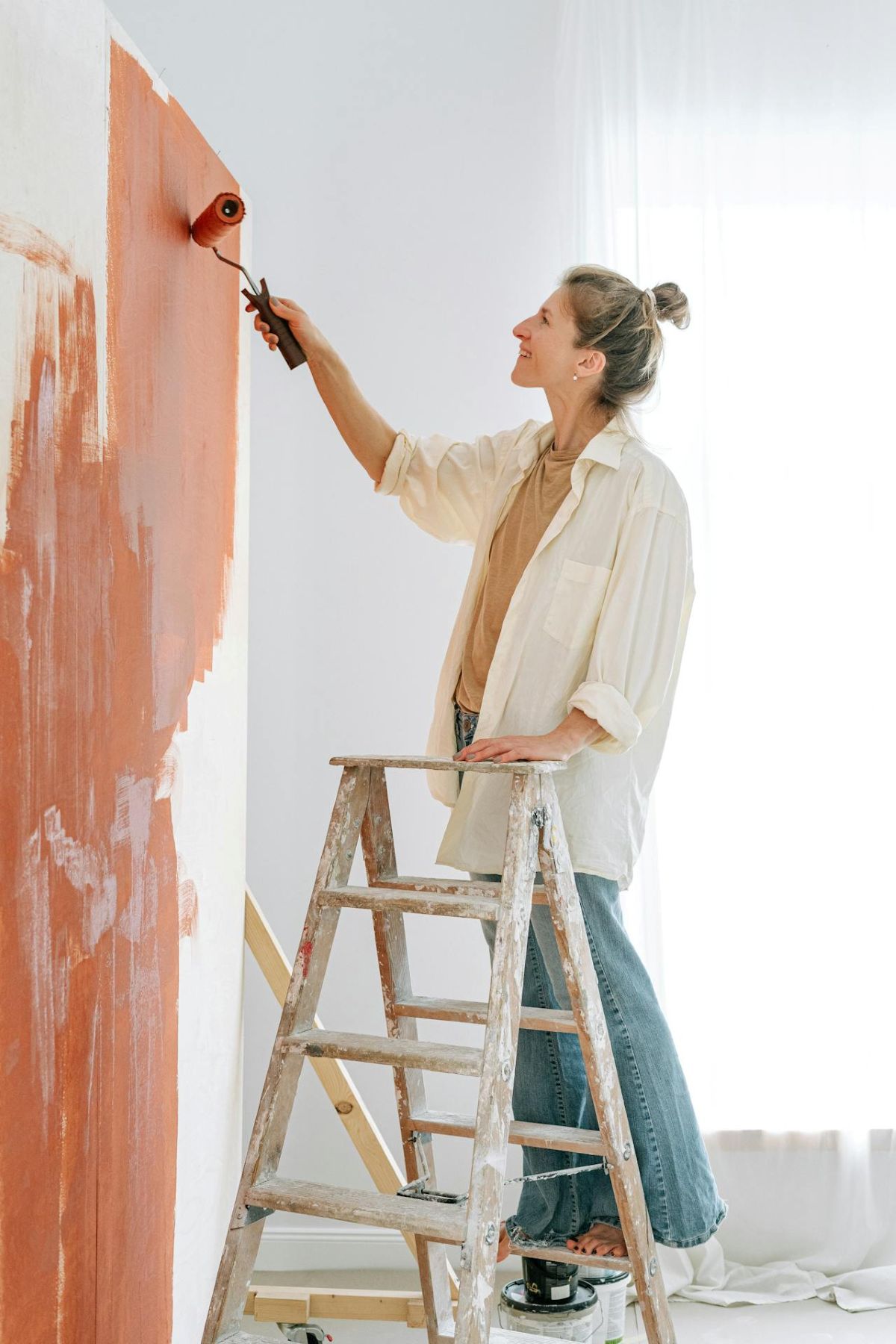
Start With What’s Actually Annoying
There’s a difference between Instagram-perfect upgrades and things that make everyday life smoother. The temptation to go for trendy over functional is real. But a lot of homeowners right now are choosing simpler, lasting fixes over splashy, expensive renovations.
Blame it on inflation, or maybe the fact that many of us spent more time than ever inside during the past few years. Either way, priorities have shifted.
Instead of chasing aspirational aesthetics, people want their homes to feel calm, organized, and livable. That may mean finally replacing the light fixture in the hallway that never worked right.
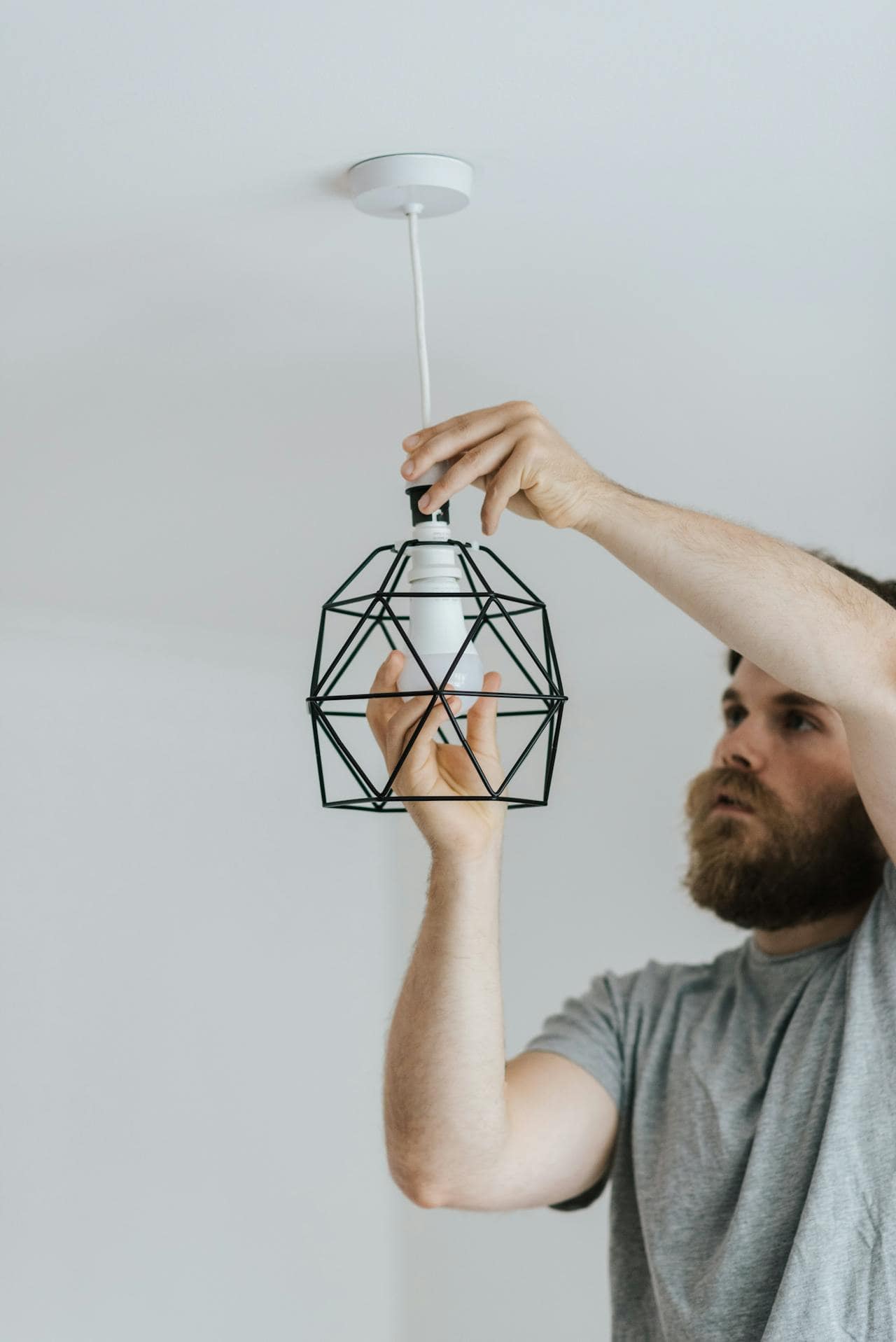
Or adding shelves in the entryway so shoes stop piling up. These aren’t huge transformations, but they change how a space works day-to-day. And with remote work still reshaping how much time people spend at home, those small upgrades start to feel really important.
A good starting point? Pay attention to what bugs you. The drawer that always sticks. The light that never quite hits the right spot in the kitchen. The cabinet that slams. These things seem minor, but when fixed, they reduce friction in ways you didn’t know you needed.
For hands-on home projects that involve metal repairs, brackets, or custom fixes, having the right safety gear matters just as much as having the right tools. Quality welding lenses help protect your eyes from intense light while still allowing clear visibility during detailed work. Options from Ridge Products Welding online are suited to home and independent welders who want dependable protection without turning a simple project into something overly complicated.
Function Over Flash
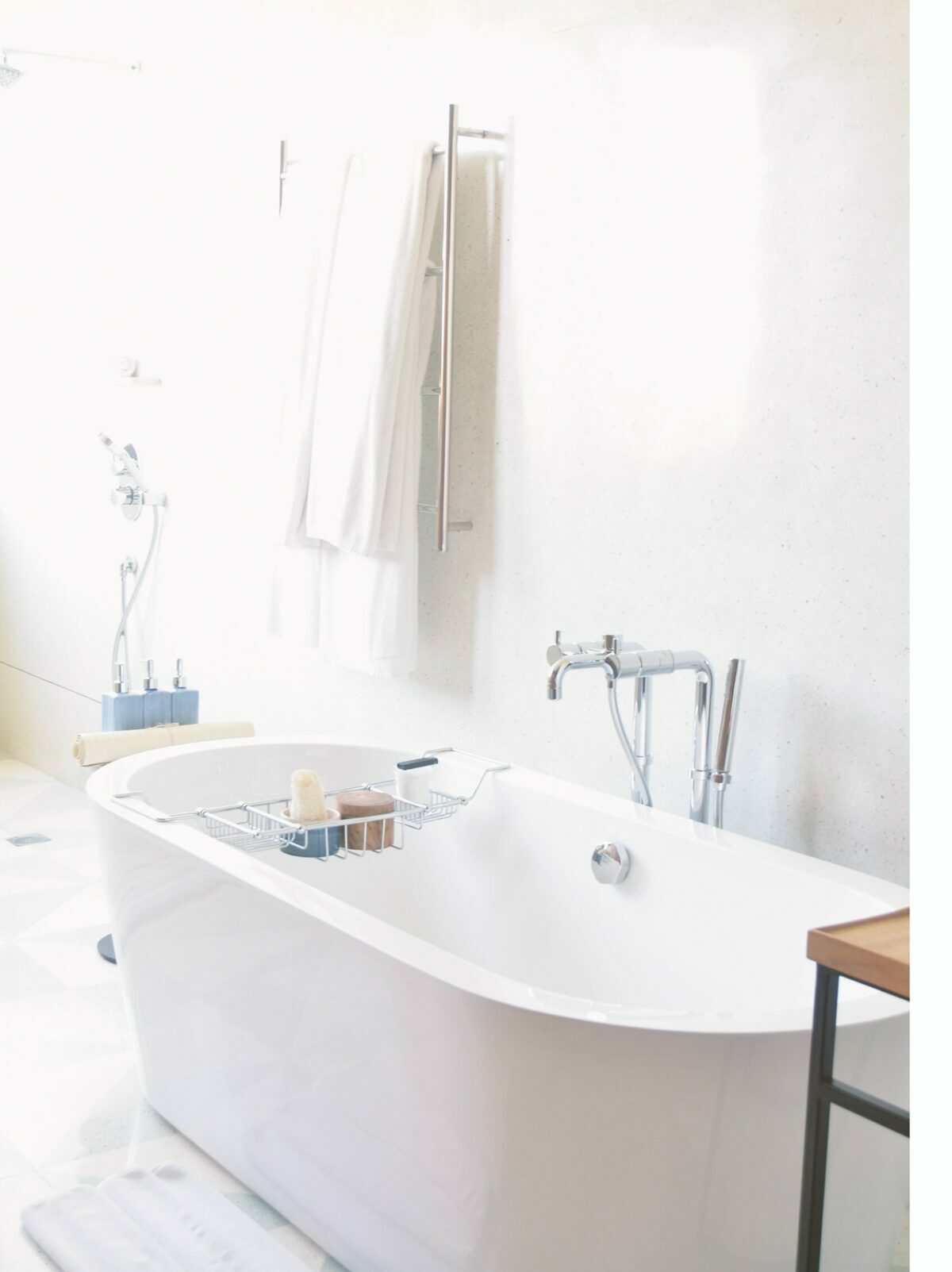
Bathroom remodeling gets brought up a lot in conversations about upgrades, and for good reason. It’s one of the most high-traffic rooms in any house and a space that can start to feel outdated fast. But this isn’t about spa-level luxury.

The goal isn't to turn your bathroom into a showroom. It’s about making it more usable, more efficient, and just nicer to be in during your daily routine.
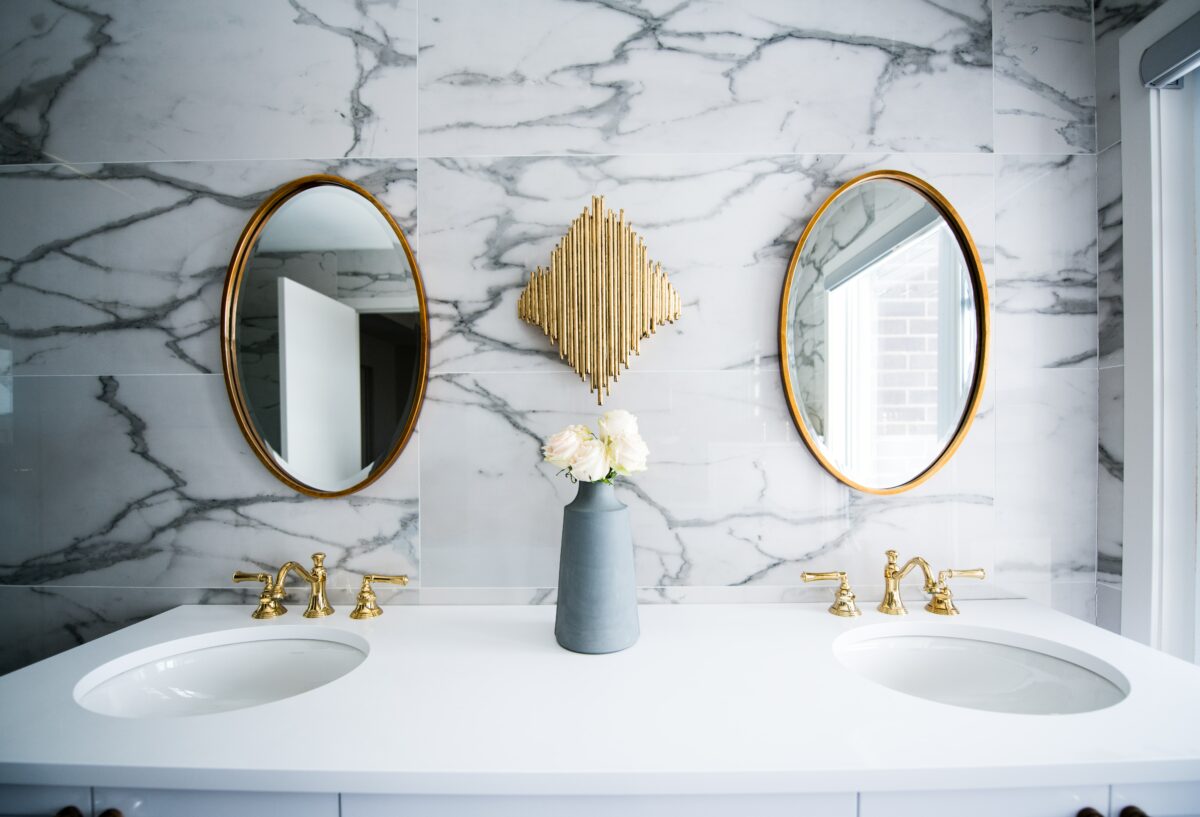
Use bathroom renovation specialists to do things like swapping out old fixtures, re-sealing tiles, improving storage, and adding better lighting. These are all reasonable places to begin. What’s happening now is a noticeable trend where people aren’t necessarily expanding their bathrooms but are investing in making the same space work smarter.
You see floating vanities being used to create the illusion of more space. Low-flow toilets and water-saving shower heads are being added to cut down on bills and waste. These aren’t dramatic changes, but they matter, and they work.
A lot of folks realize the real win isn’t the aesthetic glow-up but the day-to-day improvements. It’s not about impressing guests. It’s about enjoying the space yourself.
Given how much time people spend staring at their phones while brushing their teeth these days, the environment kind of matters.
The Energy Problem You Can Actually Fix
Energy costs have been rising for a while, and unless you plan to go completely off-grid (and you probably don’t), the house has to work more efficiently. Not everyone’s in a position to install solar panels or overhaul insulation, but there are very real steps that don’t require a second mortgage.
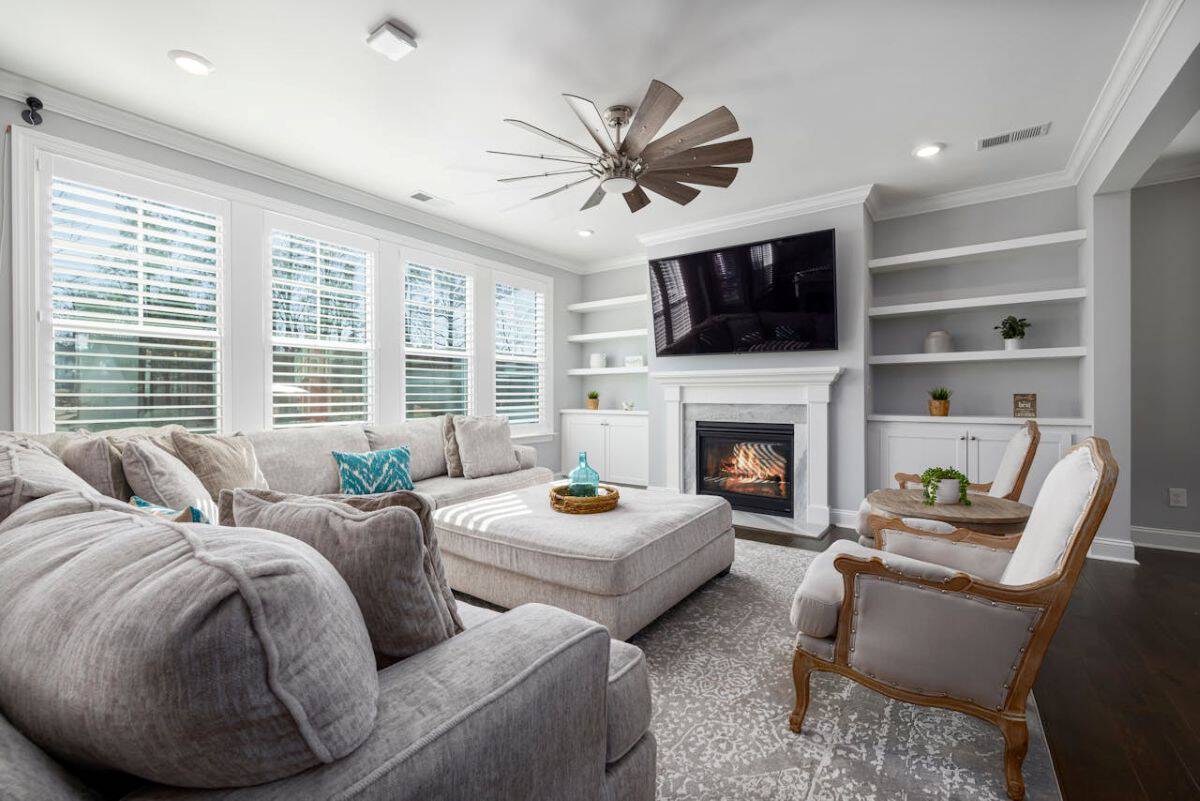
Start with sealing. Windows and doors let out more air than most people realize. A simple weatherstripping kit and some caulk can go a long way in reducing heating and cooling loss.
Upgrading to LED bulbs? Still relevant. Still saves money. Smart thermostats may seem gimmicky, but many are now priced accessibly, and they do offer better control.
Controlling heating and cooling more efficiently helps lower utility bills and keeps temperature wars to a minimum, especially if you share your space with someone who always thinks it’s “too cold.”
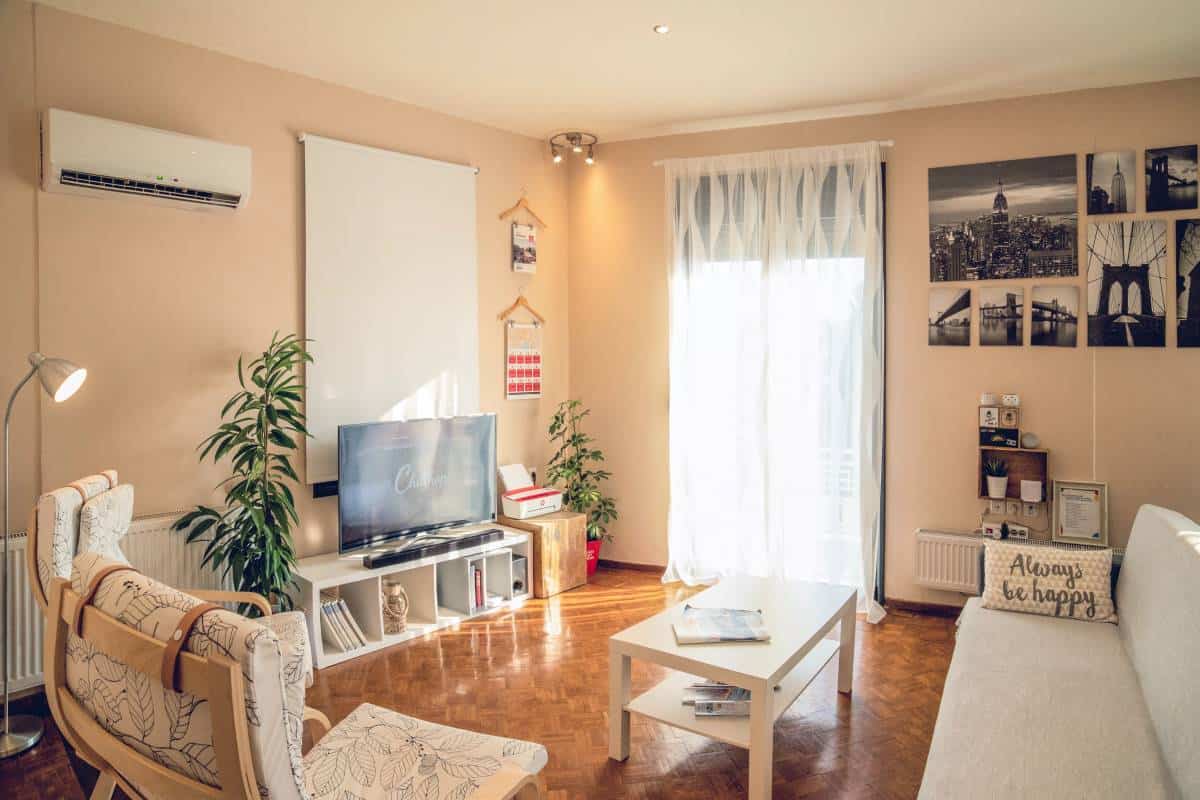
Flooring is an element that’s often forgotten. In colder climates, carpet flooring can be excellent for reducing energy loss (and keeping your toes warm). Alternatively, you can lay down some rugs.
Another thing that’s surprisingly overlooked: filters. HVAC filters that haven’t been changed in months or years can choke the system, raise costs, and make your air worse.
And yet, many people only remember to swap them when something stops working. That’s an easy fix with an actual impact.
Storage, But Smarter
The line between “lived-in” and “messy” is often just about storage. And storage isn’t always a closet or a bin. It’s about where things naturally get dropped and whether there's a place for them to land.
Current home improvement trends lean toward creating built-in solutions that don’t look like afterthoughts. Mudroom benches with hooks and cubbies.
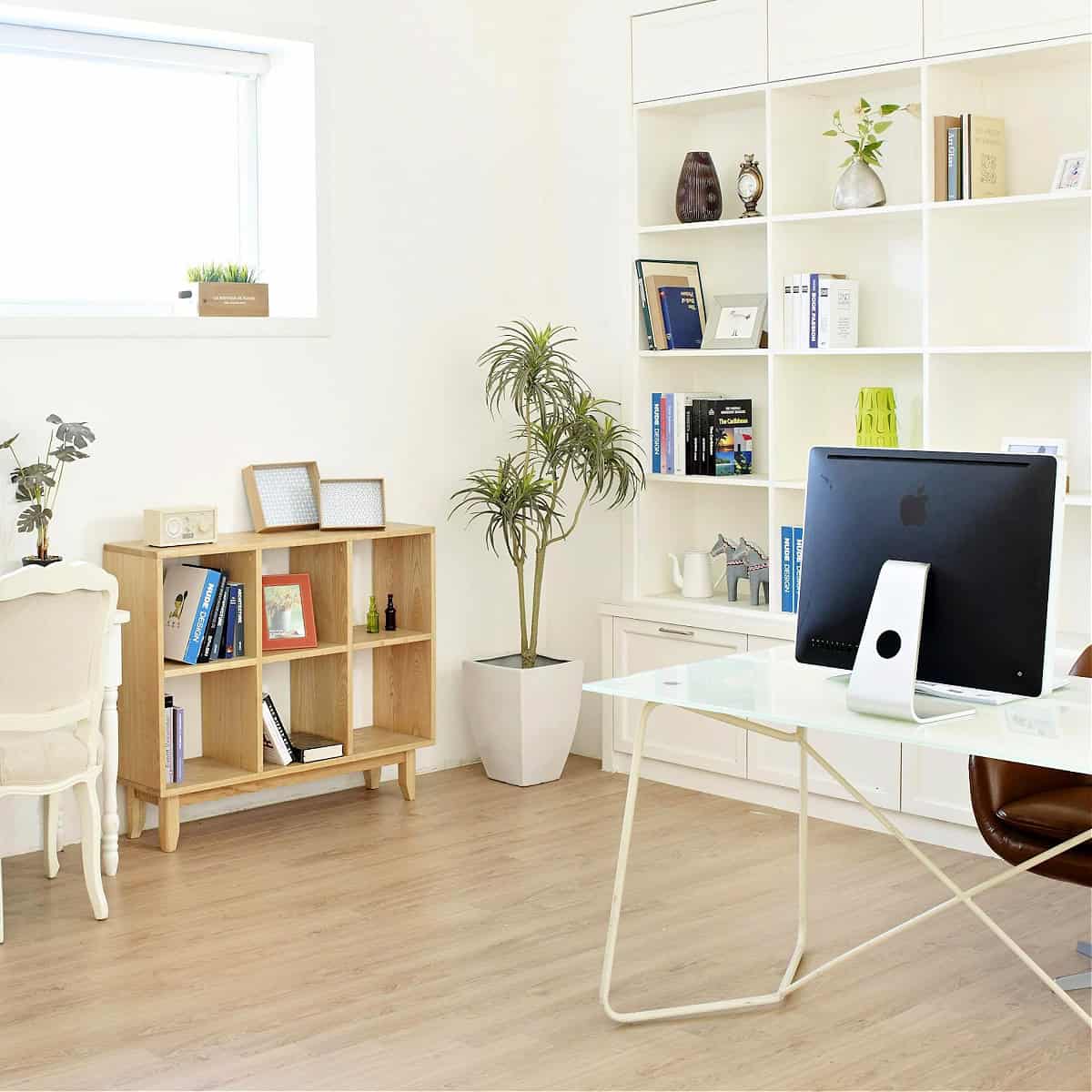
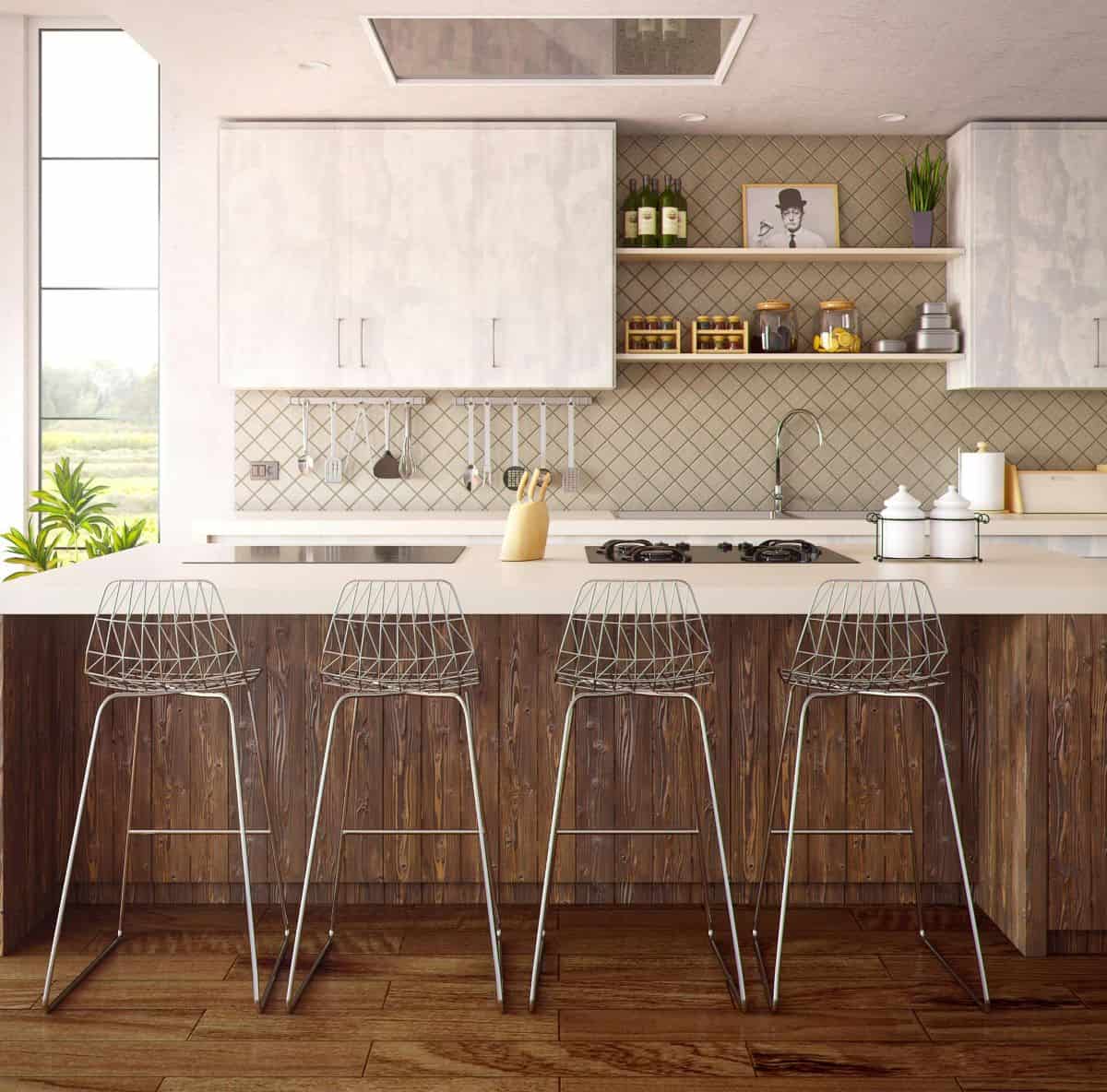
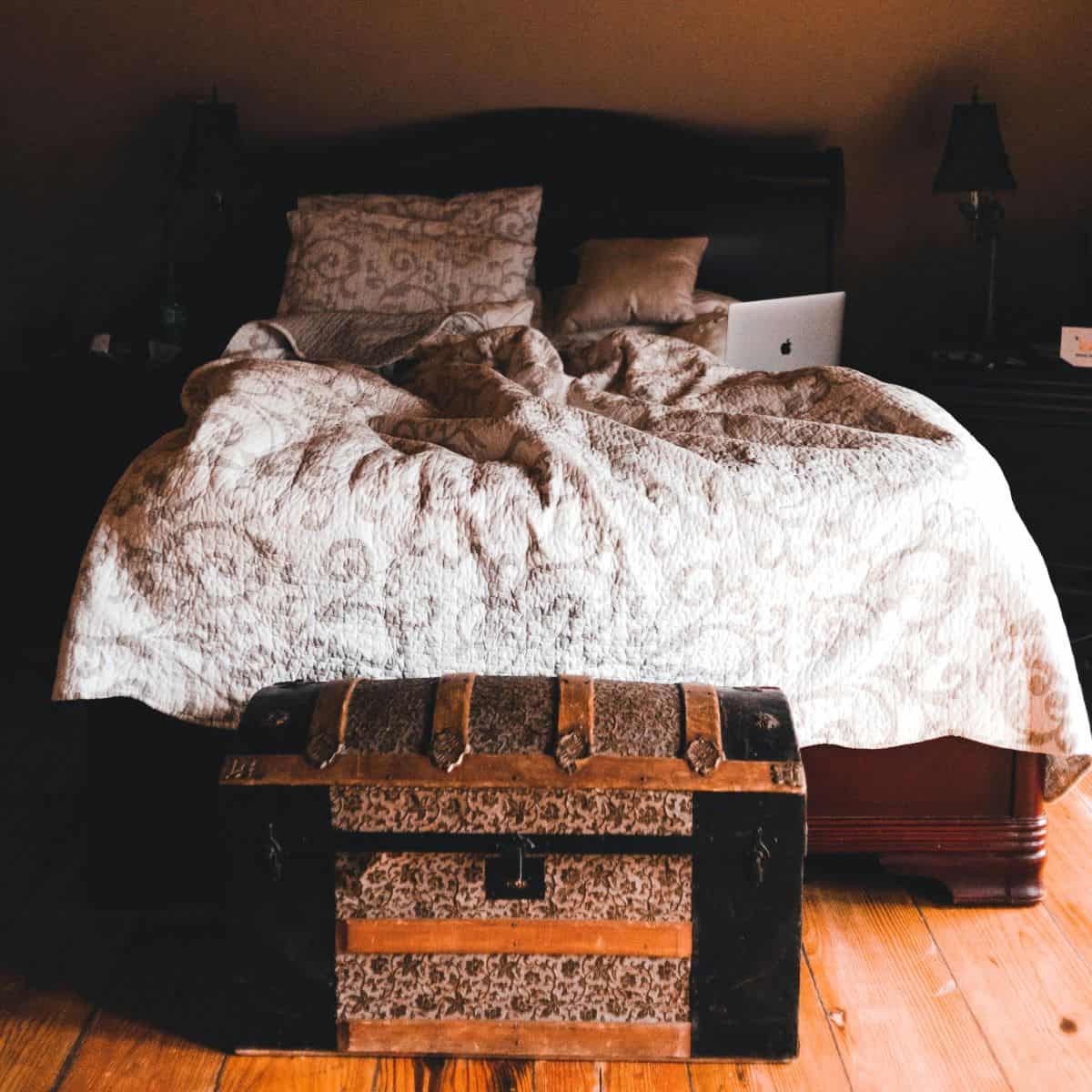
Kitchen islands with drawers that pull out farther. Bed frames with hidden storage underneath. Even wall-mounted desks that fold into cabinets are showing up in smaller homes where space has to work harder.
This all ties back to a broader cultural shift: people want less visible clutter. Not for minimalist aesthetic reasons, necessarily. Just because clutter wears you down.
The brain has to work harder in a messy space. And when the space can’t store things properly, mess becomes the default. So, the next time you find yourself staring at a pile of backpacks or wondering why your shoes keep ending up under the couch, it might be time to design storage that matches how you actually live, not how you wish you did.
Don’t Forget Outside
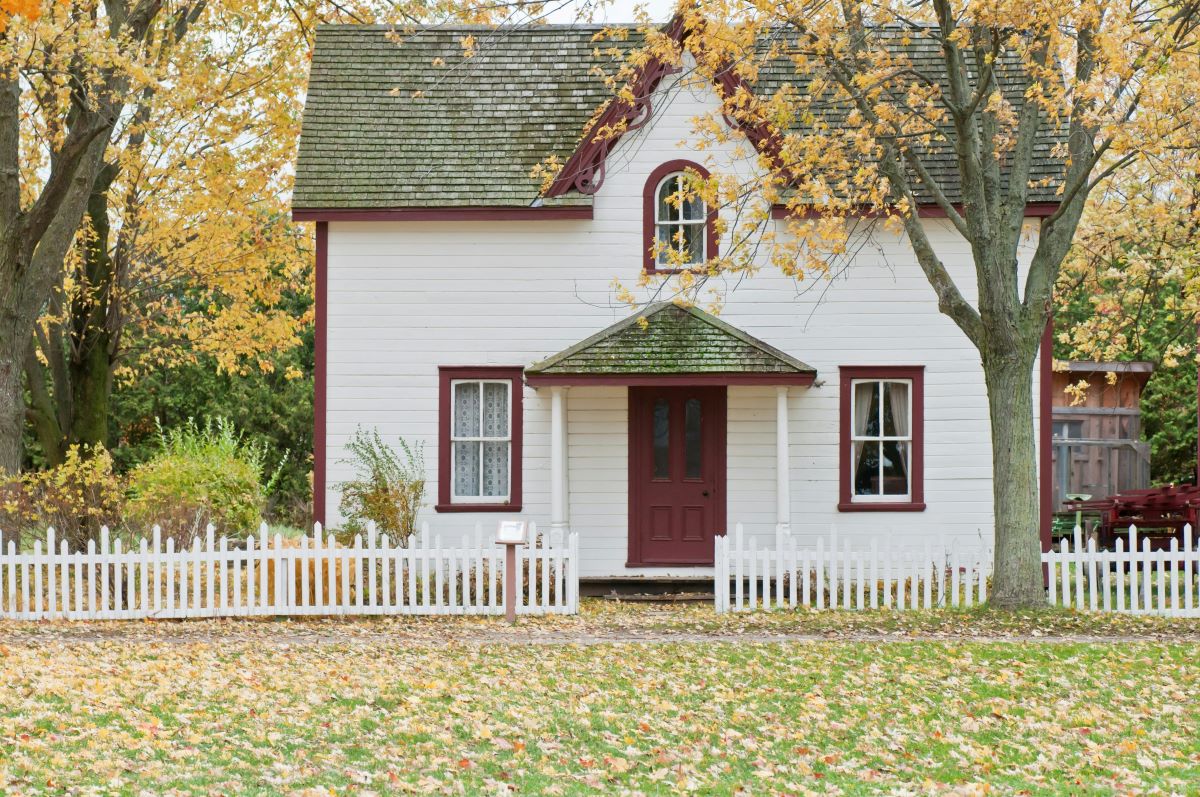
It’s easy to get so focused on the inside of your house that the outside becomes an afterthought. But curb appeal isn’t just for selling a home, it affects how you feel walking up to your own front door.
Small changes like painting the front door, adding solar pathway lights, replacing a rusty mailbox, or trimming overgrown hedges can shift how the place feels instantly. Outdoor space matters even more now, especially after the pandemic made backyards and porches the main social zones for months on end.
There’s also something about maintaining the exterior that feels satisfying in a different way. It’s public. Everyone sees it. And even though no one’s grading your lawn, that little sense of pride when things look cared for? That sticks with you.
Personalization Is the Point
What’s most interesting about current trends is how people are rejecting one-size-fits-all advice. Home improvement has always been full of rules: neutral colors sell best, never mix metals, stay consistent. But now, more homeowners are leaning into what works for them.
Homes don’t have to look staged anymore. They need to work, for real people, with messy lives, loud kids, and not enough time.
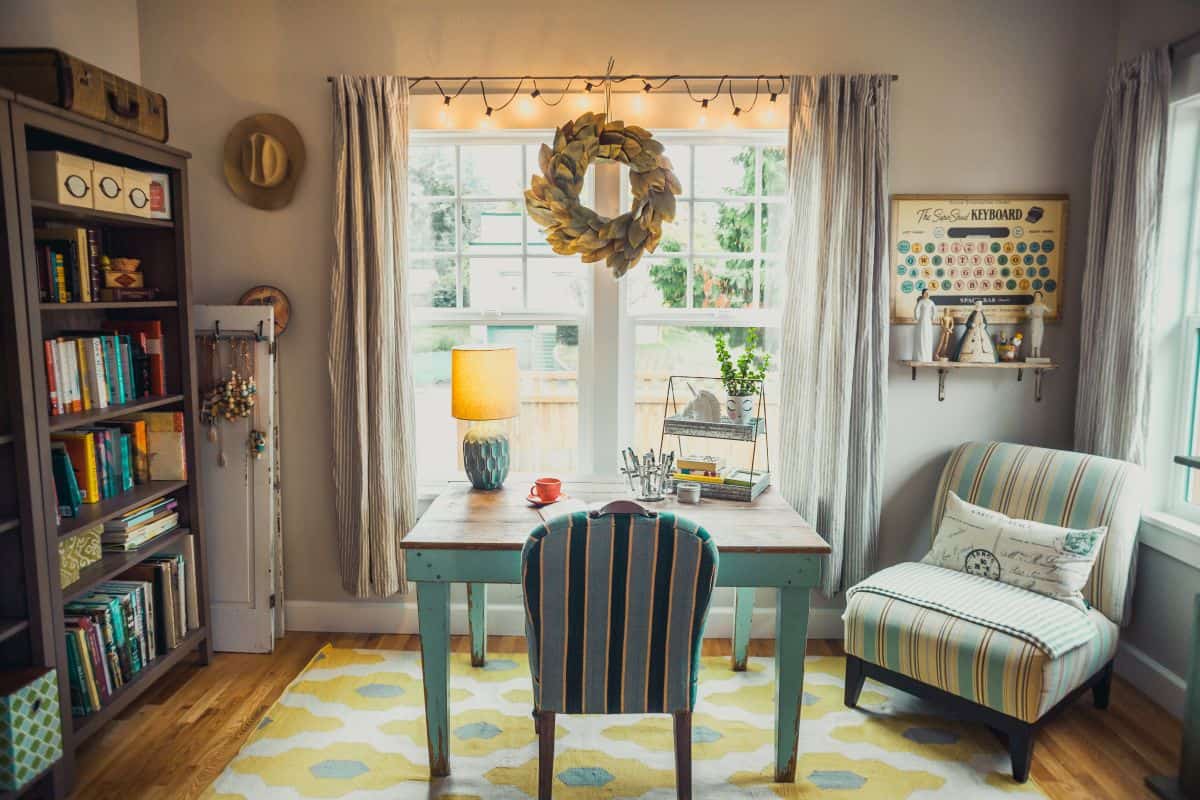
That might mean mixing mid-century chairs with farmhouse cabinets or turning a corner of the living room into a full-time workstation, cables and all.
Improving your home doesn’t have to mean a huge renovation or thousands of dollars. It means adjusting your space so it works better for how you live right now, not how someone else says you should live. Sometimes that means replacing a doorknob.
Other times it means finally putting up the curtain rods that have been sitting in the garage since 2021. Whatever it is, the key is to start. Even if it’s small. Even if it’s not perfect. Improvement doesn’t have to be dramatic to matter.




Leave a Reply