
A bright, confident smile can really light up a room and give your mood a lift. But keeping your teeth and gums healthy is about more than just looking good. It's a big part of your overall well-being, and there are many lifestyle changes you can make to achieve this.
A happy mouth helps you live a happier life, letting you enjoy your favorite foods, speak with confidence, and just feel your best every day. Building a solid oral care routine doesn't have to be hard. With just a few regular habits, you can keep your smile healthy for years to come.

A healthy smile starts with simple, everyday actions. Brushing your teeth twice a day for two minutes is a must-do. Use a soft-bristled brush and fluoride toothpaste to gently get rid of plaque and food bits without harming your enamel.
Flossing once a day is just as important, because it cleans those tight spots between your teeth that your toothbrush can't reach. Finishing up with an antiseptic mouthwash can help kill bacteria and freshen your breath. These best practices for oral hygiene are your first defense against cavities and gum disease, making them powerful tools for long-term health.
Recognize Warning Signs
Your body often sends out signals when something's not quite right, and your mouth is no different. Paying attention to these signs can help you fix problems before they get worse. If you have bad breath that won't go away, gums that bleed when you brush, or teeth that hurt when you eat hot or cold foods, these are all warning signs.

You might also notice a dull, constant ache or a sharp pain when you bite down. Don't ignore these things. They could mean anything from early gum disease to a cavity or a cracked tooth. Noticing these warnings and getting professional advice is a smart step toward keeping your mouth healthy.
When You Need Immediate Dental Help
Some dental problems go beyond a simple warning and need quick attention. A sudden, really bad toothache that keeps you awake, a tooth knocked out in an accident, or a lot of swelling in your jaw or gums are all dental emergencies. When these things happen, you can't wait for a regular appointment.
Acting fast can often save a tooth or stop an infection from spreading. If you have a serious mouth injury or unbearable pain, you might need to find an emergency dentist who can give you immediate care and relief.
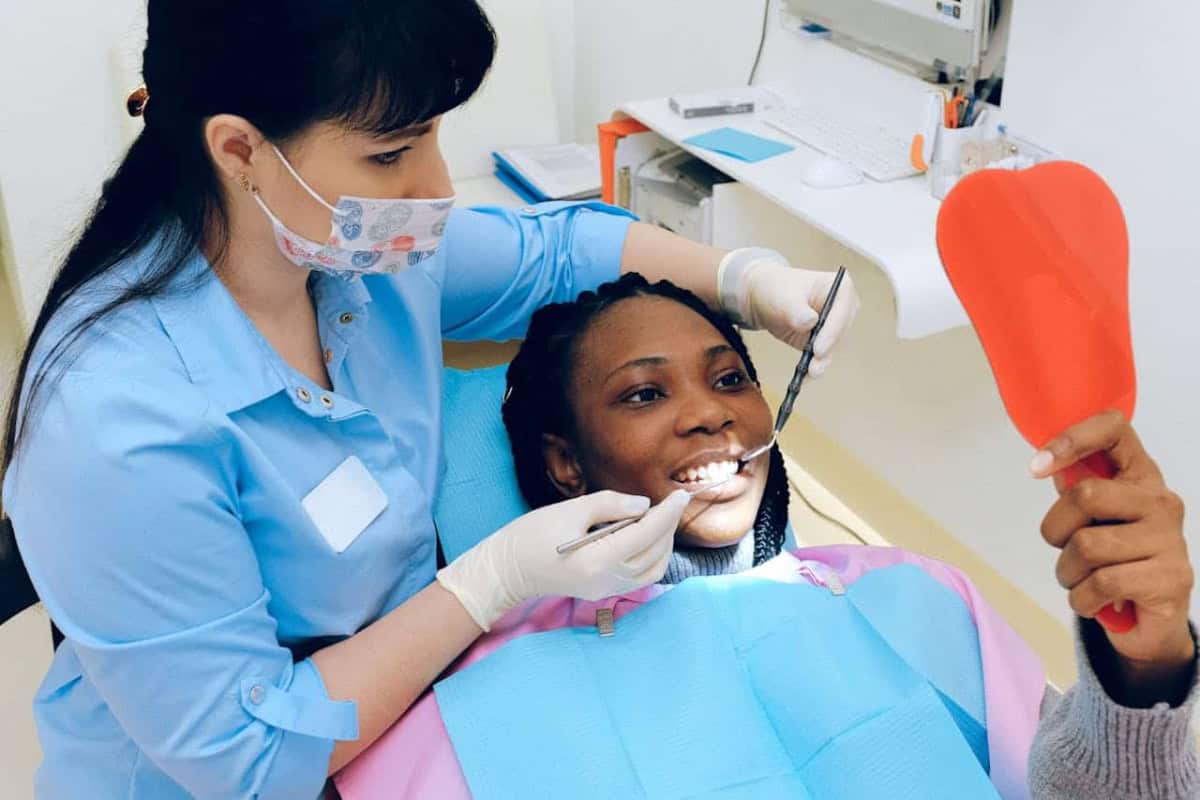
Nutrition for Stronger Gums
What you eat really affects how healthy your teeth and gums are. A balanced diet full of vitamins and minerals helps build strong enamel and fight off infections. Foods with lots of calcium, like milk, cheese, and leafy greens, are super important for making your teeth strong. Vitamin C, found in oranges, strawberries, and bell peppers, is key for gum health and helps your body repair tissues.
On the flip side, sugary snacks and acidic drinks can wear away enamel and feed bad bacteria. By choosing your foods carefully and taking care of your teeth and mouth through good nutrition, you support your smile from the inside out.

Beyond the Basics of Oral Care
Once you've got the basics down, a few extra steps can make your oral care routine even better. Remember to swap out your toothbrush every three to four months, or sooner if the bristles look worn out. An old toothbrush just doesn't clean as well.
Another thing people often forget is cleaning their tongue. You can use a tongue scraper or the back of your toothbrush to get rid of bacteria that cause bad breath. Staying hydrated by drinking plenty of water all day long also helps. Water washes away food particles and helps your body make saliva, which naturally neutralizes acid and protects your teeth.
Taking care of your smile is a great investment in your overall happiness and health. These small, consistent efforts really add up, making sure you can share your smile confidently for your whole life.




Leave a Reply