
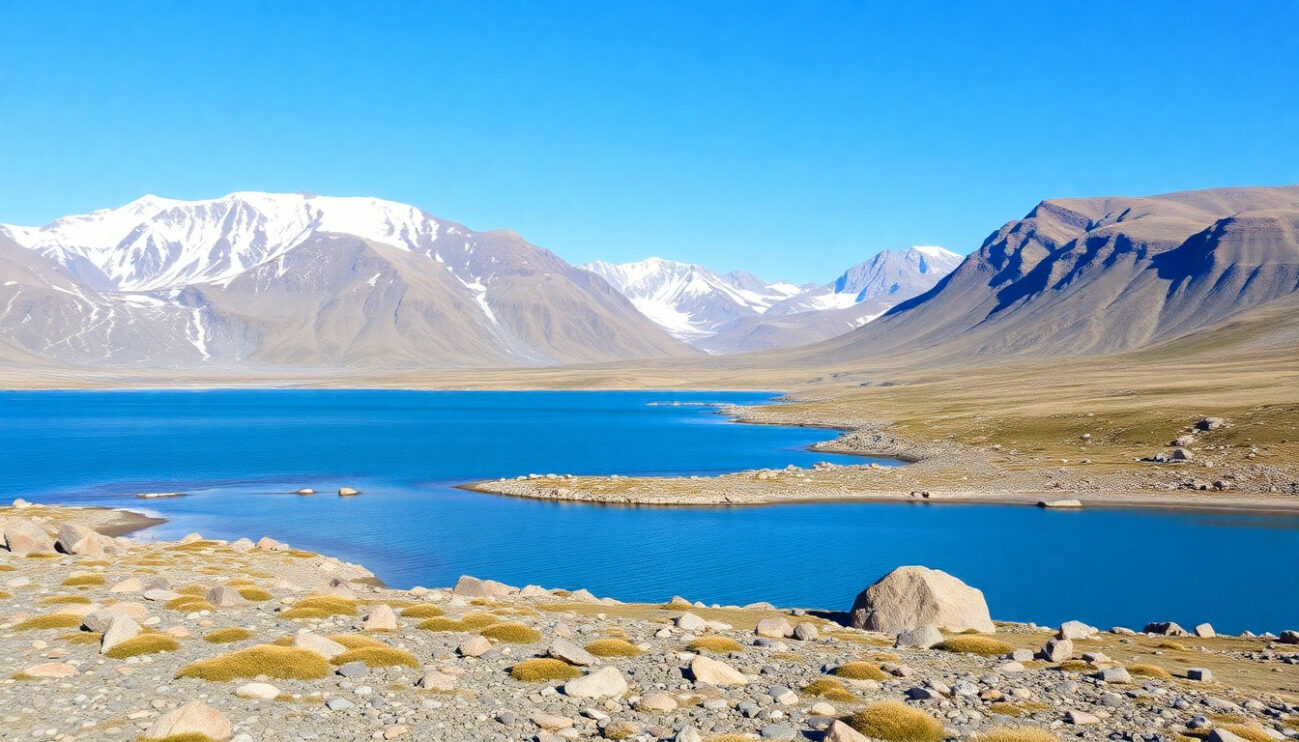
Imagine a wilderness larger than most countries on Earth. A place where polar bears roam freely across pristine landscapes. The northeast greenland national park represents one of our planet's last untouched frontiers. This Arctic sanctuary spans nearly a quarter of the world's largest island.
Established in 1974, this remarkable protected area offers unprecedented access to pristine Arctic ecosystems. Few places on Earth match its scale and natural beauty.
Geographic Location and Boundaries
Northeast Greenland National Park sits in the remote northeastern corner of Greenland. The park stretches between 74°30' and 83°40' north latitude. Its eastern boundary follows the rugged coastline facing the Greenland Sea.
The park's western borders extend deep into the Greenland Ice Sheet interior. Its southern boundary lies near the Scoresby Sound region. The northern edge reaches Kap Morris Jesup, the world's northernmost point of land.
The park was first established in 1974 and expanded to its current size in 1988. The Danish government created this protected area from the former Ittoqqortoormiit Municipality. The expansion added northeastern territories from the former Avannaa county.
The nearest settlement is Ittoqqortoormiit, located approximately 500 kilometers southwest. This isolated community of 400 residents serves as the gateway to the park.
Size and Scale Comparison
The park covers exactly 972,000 square kilometers. That's equivalent to 375,000 square miles of protected wilderness. To put this in perspective, the park is larger than 166 of the world's 195 countries.
| Comparison | Area |
| Northeast Greenland National Park | 972,000 km² |
| Egypt | 1,001,449 km² |
| Tanzania | 947,303 km² |
| Yellowstone National Park | 8,991 km² |
The park stretches over 1,300 kilometers from north to south. That's roughly the distance from New York to Miami. Its coastline extends for an impressive 18,000 kilometers due to countless fjords and inlets.
Key Geographic Features
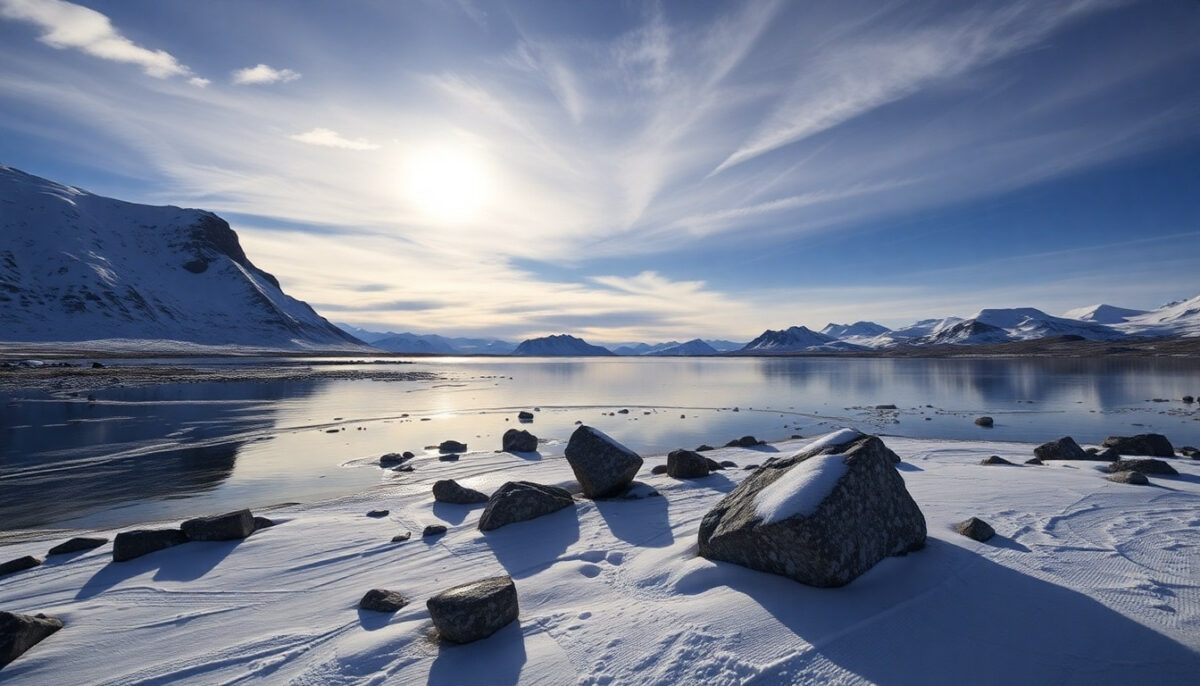
The park encompasses diverse Arctic landscapes. Massive ice sheets dominate the interior regions. Dramatic fjord systems carve deep into the coastal areas.
Coastal Areas and Fjords
Kong Oscar Fjord serves as the park's primary waterway. This massive fjord system stretches 110 kilometers inland. The fjord varies from 10 to 25 kilometers in width.
Kejser Franz Joseph Fjord extends over 200 kilometers from the ice cap. This narrow waterway winds through towering mountain ranges. The fjord provides access to some of the park's most spectacular scenery.
The coastal regions feature dramatic sandstone cliffs. These formations rise up to 1,300 meters above sea level. Ancient rock layers tell the story of geological evolution spanning millions of years.
Interior Landscapes
The Greenland Ice Sheet covers approximately 80% of the park. This massive ice mass represents the largest ice sheet in the northern hemisphere. Ice thickness reaches over 3,000 meters in some areas.
Ice-free areas exist along the coastline and in sheltered valleys. These regions support unique Arctic plant communities. The landscape includes mountain ranges, glacial valleys, and tundra plains.
Research conducted by GRID-Arendal confirms that the park protects 972,001 km² of interior and northeastern coastal areas. The organization emphasizes the park's role as the world's largest protected land area.
Administrative and Access Information
The Greenland Department of Environment and Nature oversees park management. The Danish government maintains sovereignty over the territory. Special permits are required for all visits.
The elite Sirius Patrol provides security and surveillance. This Danish military unit patrols 16,000 kilometers of coastline annually. They travel by boat in summer and dog sled in winter.
Climate and Environmental Zones
The park experiences a harsh Arctic climate. Temperatures rarely rise above freezing, even in summer. Winter temperatures commonly drop below -30°C.
The northern regions qualify as an Arctic desert. Annual precipitation is extremely low. Some areas receive less rainfall than parts of the Sahara Desert.
Seasonal variations are extreme. The park experiences 24-hour daylight in summer. Winter brings complete darkness for several months.
Wildlife and Natural Significance
The park serves as a crucial wildlife sanctuary. Large mammal populations thrive in this protected environment. The coastal areas support incredible biodiversity.
Musk oxen represent the park's most iconic species. An estimated 5,000 to 15,000 musk oxen roam the coastal regions. According to Wikipedia, this represents 40% of the world's total population.
Other notable wildlife includes:
- Polar bears
- Arctic foxes
- Walruses
- Greenland wolves
- Beluga whales
- Narwhals
The park hosts approximately 60 bird species. These include Arctic terns, snowy owls, and various seabirds. The rich marine ecosystem supports numerous seal species.
Conclusion
Northeast Greenland National Park stands as a testament to Arctic wilderness preservation. Its remote location and massive scale create unique conservation opportunities. The park protects critical habitat for threatened Arctic species.
This extraordinary protected area offers researchers invaluable insights into climate change impacts. Its pristine ecosystems serve as benchmarks for Arctic environmental studies. For adventurous travelers, the park represents the ultimate wilderness experience.
The park's location makes it one of Earth's most exclusive destinations. Only a few hundred people visit annually. This exclusivity ensures the preservation of its remarkable natural heritage.
FAQs
Q: How big is Northeast Greenland National Park compared to other countries? A: The park covers 972,000 square kilometers, making it larger than 166 of the world's 195 countries. It's nearly as large as Egypt and significantly larger than Tanzania.
Q: What is the closest town to Northeast Greenland National Park? A: Ittoqqortoormiit is the nearest settlement, located approximately 500 kilometers southwest of the park. This isolated community of 400 residents serves as the primary access point.
Q: Can you visit Northeast Greenland National Park independently? A: No, all visits require special permits from the Greenland Department of Environment and Nature. Independent travel is extremely difficult due to the lack of infrastructure and harsh conditions.
Q: When is the best time to visit Northeast Greenland National Park? A: The optimal visiting period is July through September when ice conditions are most favorable. Summer offers 24-hour daylight and relatively milder temperatures.
Q: What makes Northeast Greenland National Park's location unique? A: The park encompasses the world's northernmost land point and sits within the largest ice sheet in the northern hemisphere. Its extreme northern location creates unique Arctic ecosystems found nowhere else on Earth.



Leave a Reply