
What’s better than owning a car for a weekend trip?
Only paying for one when you actually need it. A borrowed car can turn a vague idea of “getting away” into a real plan, without leaving you with a vehicle sitting unused afterward.
That matters when U.S. households spent an average of $13,318 on transportation in 2024, or 17% of total spending, according to the Bureau of Labor Statistics.
So, if the keys are temporary, make the weekend count.
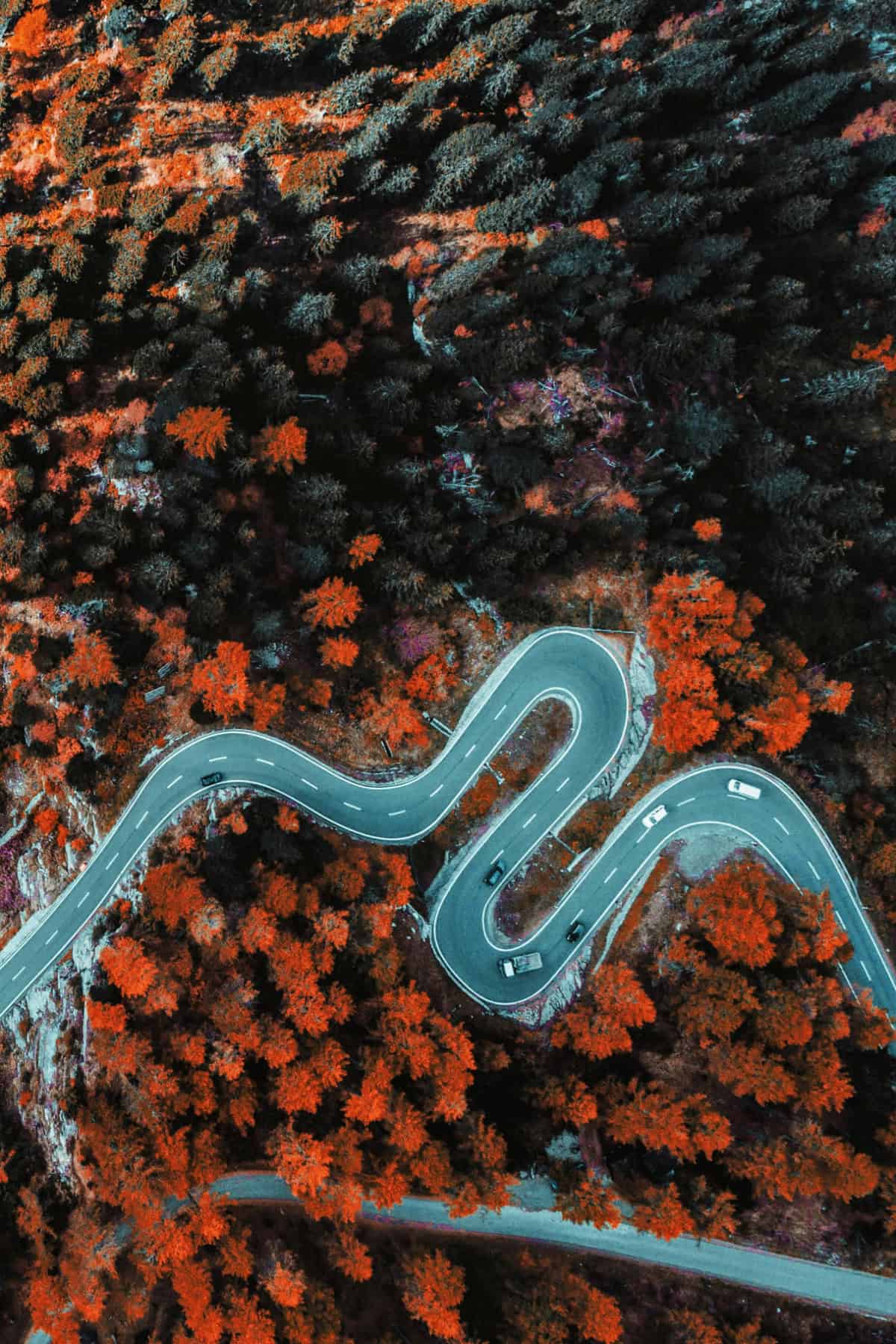
Why Borrowed and Rental Cars Are Perfect for Weekend Escapes
Owning a car is a commitment you can't pause. Insurance keeps charging. Maintenance keeps calling. The value keeps dropping whether you drive it or not.
Renting flips that equation. You pay for the days you use. Nothing more. The rental company swallows the depreciation, the fleet upkeep, the paperwork.
Numbers don't lie. A compact sedan from a corporate rate runs about $41 a day. A mid-size SUV creeps closer to $70. That's your entire weekend. Compare that to $744 a month for a compact you'd own year-round — before insurance even shows up.
Access beats ownership when weekends are the only time you need wheels.
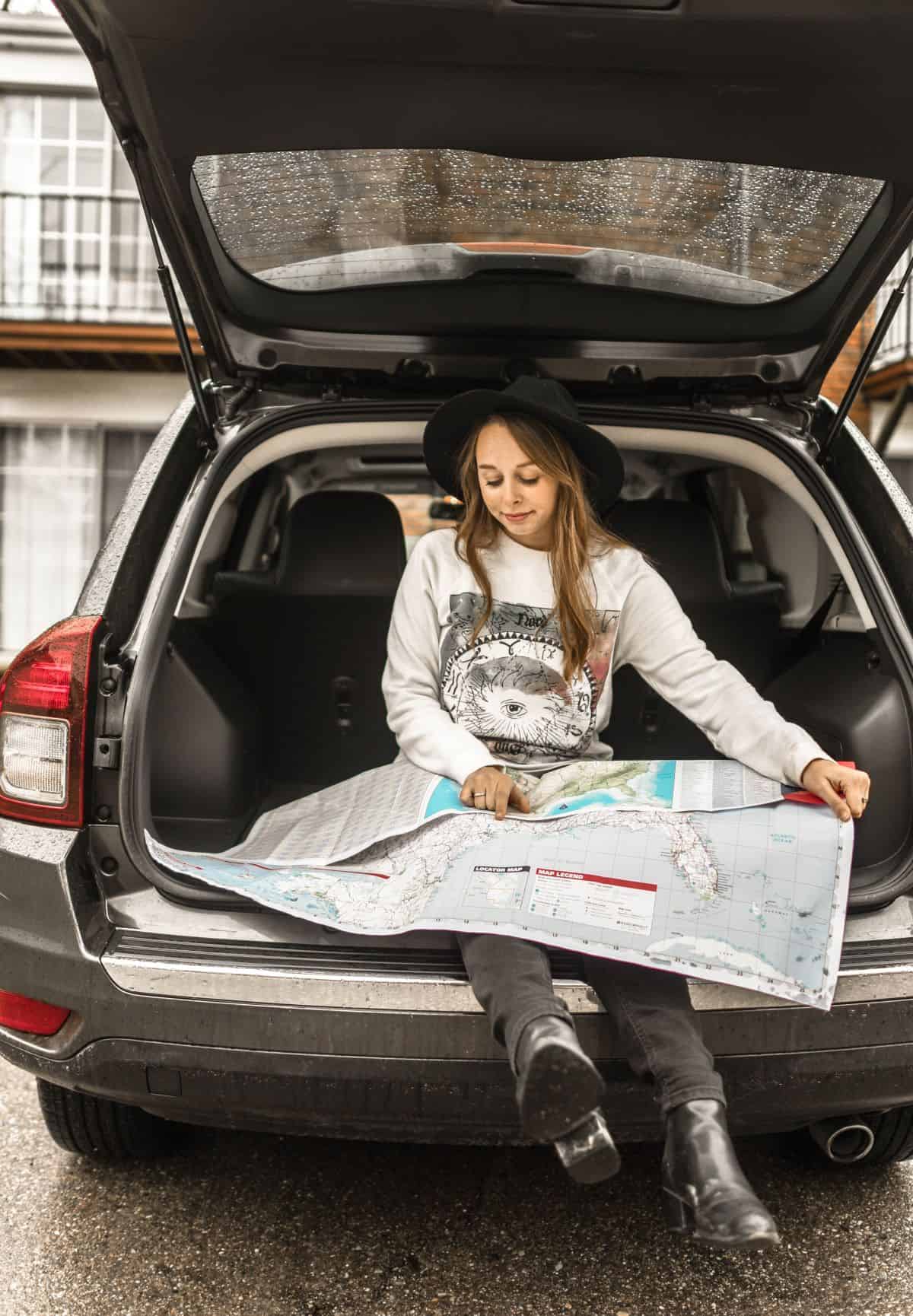
How to Make a Borrowed or Rental Car Work for You
A smooth trip comes down to a handful of decisions made before you turn the key. None of them are complicated. All of them matter.
Here's what actually keeps you out of trouble.
1. Choose the Car Around the Trip
Don’t just grab whatever’s available. Think about where you’re going.
Mountain roads with gear? You need cargo space and maybe all-wheel drive. Solo trip to the coast? A compact saves cash and parking stress.
Rental rates vary wildly by location—Anchorage averages $182 per day this summer, while Tampa sits around $45. Knowing your route helps you pick the right vehicle and avoid paying for capability you won’t use.
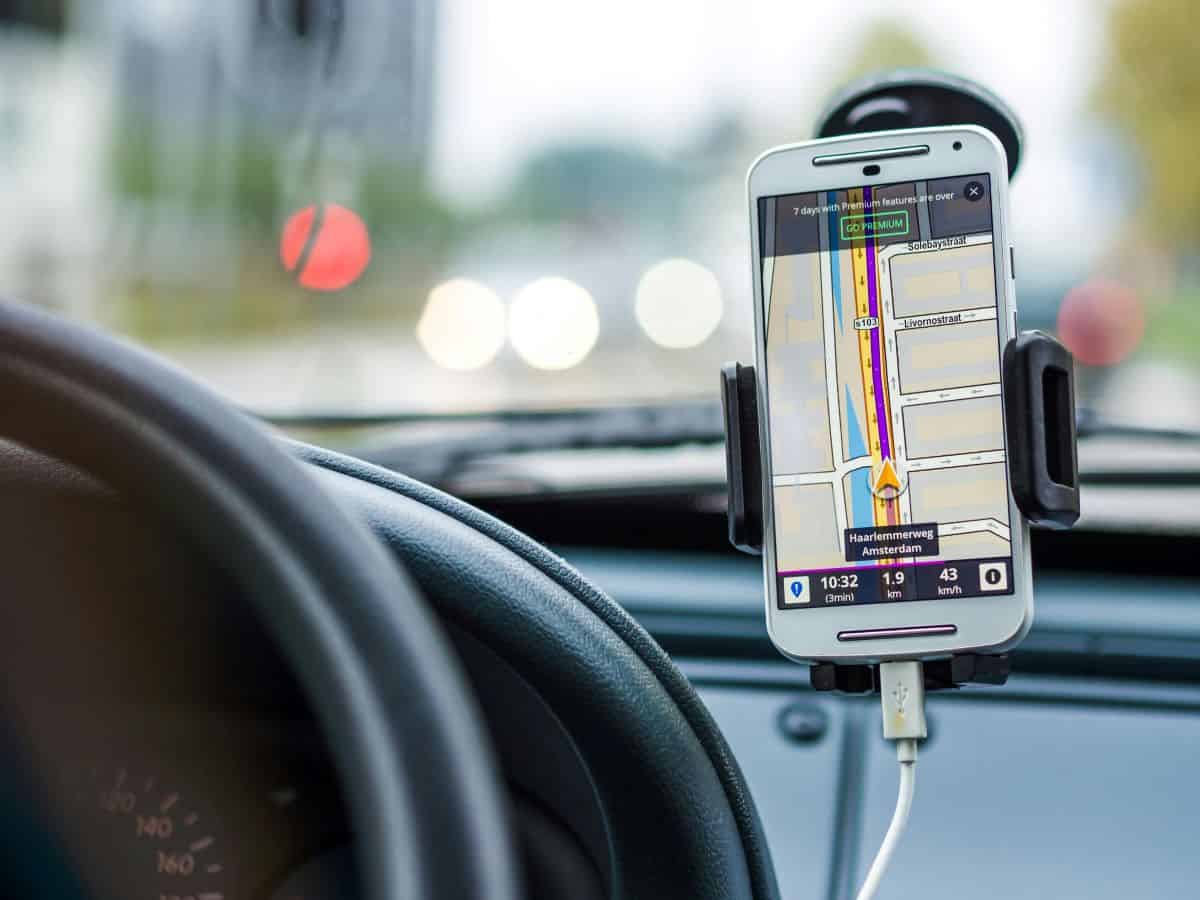
2. Get Insurance Straight Before You Leave
This is where things get tangled. If you’re borrowing, the owner’s policy usually extends to you—but “usually” is doing a lot of work. Occasional borrowers are often covered, but a weekend road trip might not qualify as “occasional.” Check first.
Renting? Your personal auto policy might extend to rentals, or your credit card might offer collision coverage. Liability is trickier. Some policies travel with you; others don’t.
Now, in places like Washington, there’s another layer.
Drivers with certain violations need an SR-22 filing—a certificate of financial responsibility that proves you carry minimum liability coverage. It stays active for three years in most cases, and a lapse can reset the clock entirely.
If you don’t own a car but still need to satisfy this requirement, you’ll want to learn more about non-owner SR22 insurance in Washington before you hit the road. These policies typically run around $40 to $65 per month and cover liability when you drive borrowed or rental vehicles.

3. Give the Car a Once-Over
Walk the vehicle. Check tires, glass, bumpers. Snap timestamped photos of anything that looks off. If it's a rental, get the agent to note existing damage on the contract.
Borrowing from a friend? This matters even more.
You don't want to return it with a mystery scratch and an awkward silence. Two minutes of inspection saves a friendship.
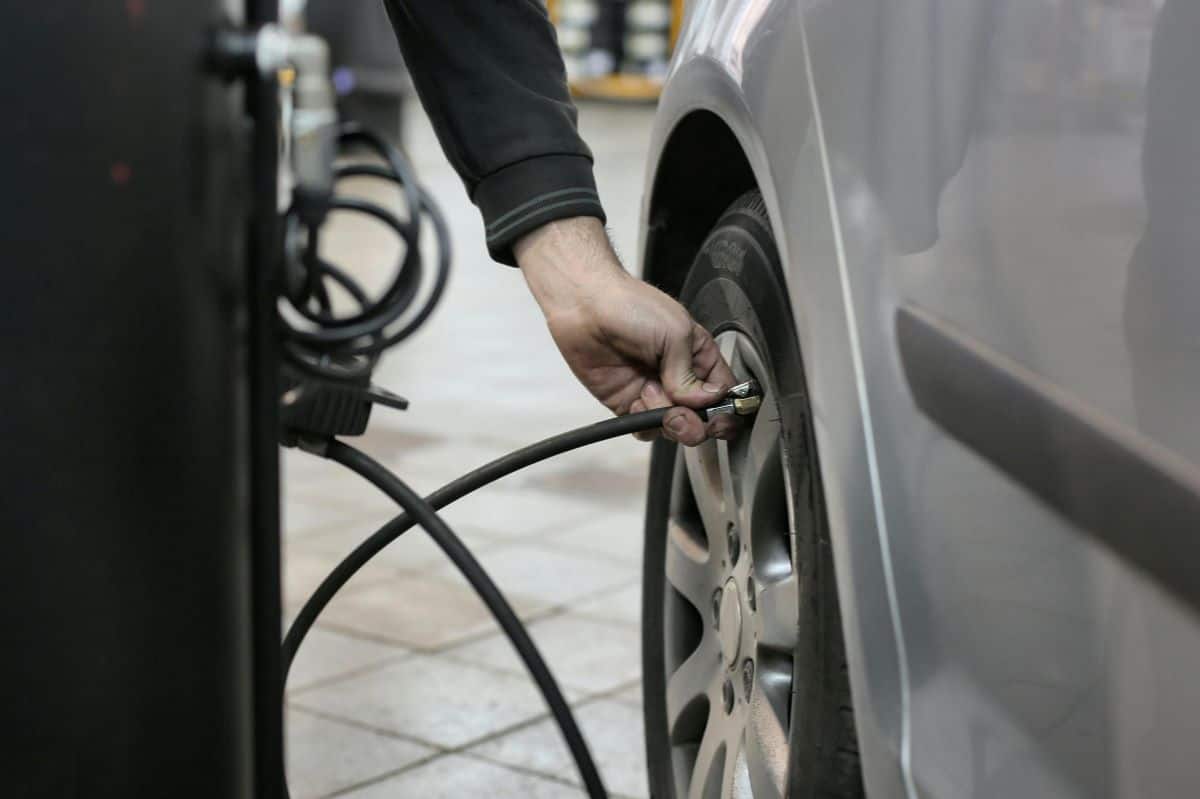
4. Plan Fuel Before the Tank Gets Nervous
Gas stations are everywhere until they’re not.
Borrowing? Fill the tank before you return it. Every time. That’s not about insurance—that’s about being invited back.
Rentals? Check the fuel policy. Some want the tank full. Others offer prepaid options. Fuel costs add up—According to AAA, fuel costs averaged 17.3 cents per mile over the 12 months ending in May 2026. A 300-mile weekend trip burns roughly $52 in gas at that rate. Budget for it.
If you’re heading somewhere remote, top off when you see a station. You’ll thank yourself later.
5. Leave Room for the Unexpected
Something always goes sideways. A road closure. A flat tire. A friend's "quick stop" that somehow eats forty minutes.
Pack your itinerary tighter than a budget airline seat, and one hiccup wrecks the whole mood. Build in buffer time instead. An extra hour on the return leg. A loose Sunday afternoon with nothing reserved and nowhere to be.
Weekend trips should feel like exhaling. Not like a second job.

6. Don't Turn Every Mile Into a Mission
You don't have to see everything. The waterfall two hours out of the way? Skip it. The hyped restaurant with a ninety-minute wait? Not worth it.
Some of the best moments happen in parking lots. At overlooks you didn't plan to pull into. At a diner you found because you took the wrong exit.
Leave space for those.
Make the Keys Count
The car is just the tool. The weekend is the point.
Whether you borrowed your brother's Outback or rented a Corolla for forty bucks a day, the goal is the same: somewhere that feels different from your living room.
Return the keys with a full tank. Keep the photos. Tell the story. Then start thinking about the next one — because the best part of not owning a car is that every trip gets to feel like a choice, not an obligation.