
Some journeys are remembered for landscapes, others for people. In North India, food quietly connects both. What you eat often tells you where you are, how people live, and how they have adapted to their surroundings. Traveling from the high valleys of Ladakh (Indian Himalaya) to the deserts and cities of Rajasthan is not just a geographical transition, it is also a culinary one. Meals change, ingredients change, but hospitality remains constant.
Ladakh: Cooking in the Himalaya
In Ladakh, cooking is shaped by altitude and isolation. Short summers and long winters have influenced what grows and how people eat. Meals are designed to provide warmth and energy, not complexity. Yet there is depth in this simplicity.
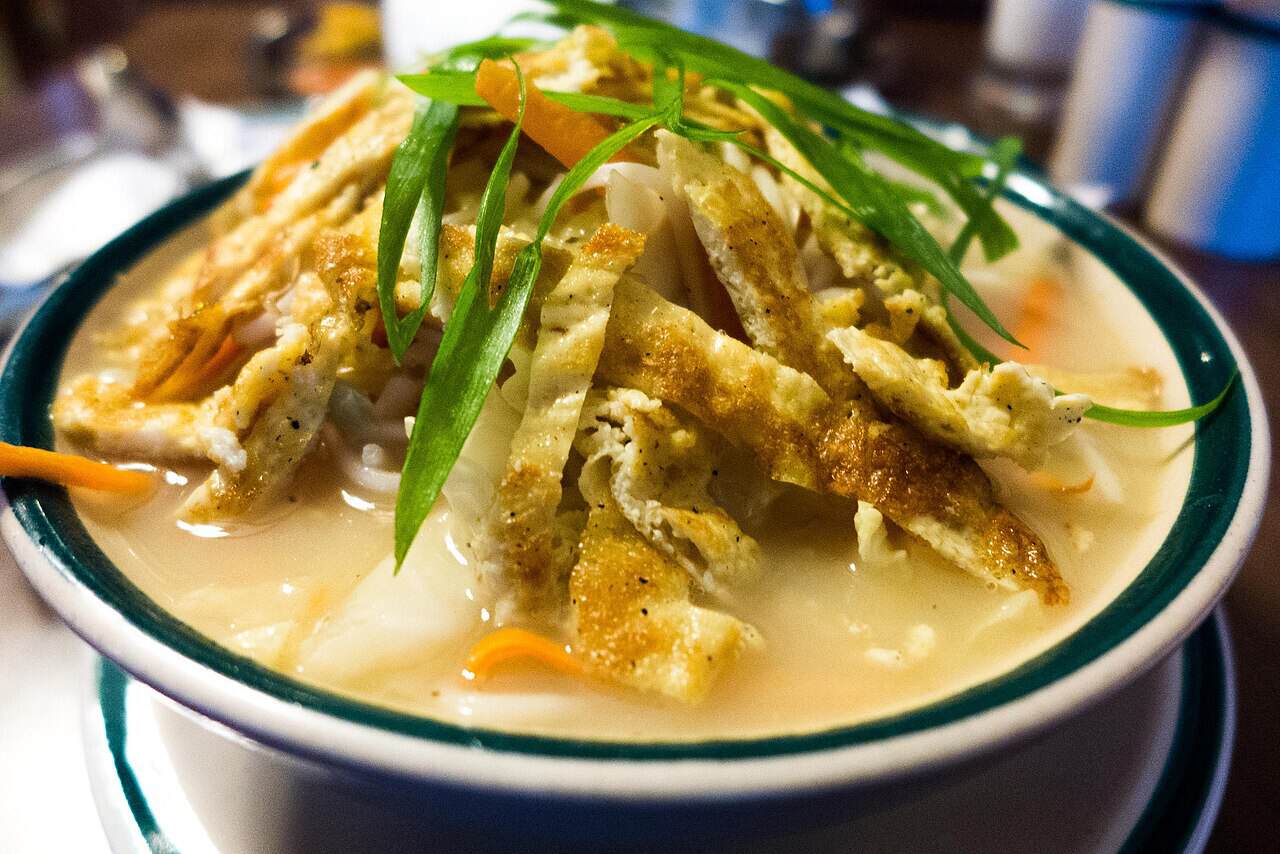
Most visitors begin their Ladakh tour in Leh, where restaurants serve local dishes alongside more familiar Indian and international food. Thukpa appears almost everywhere, but no two versions taste the same. Some are light and vegetable-based, others richer with meat and handmade noodles. Skyu, a traditional Ladakhi pasta dish, is heavier and slower to prepare, which is why it often appears in homes rather than cafés.
Food in Leh is also a social experience. Bakeries, tea shops, and small family-run restaurants become meeting points where travellers share stories while acclimatizing to the altitude (Leh is at 3,500m above sea level).
Homestays, kitchens, and quiet evenings
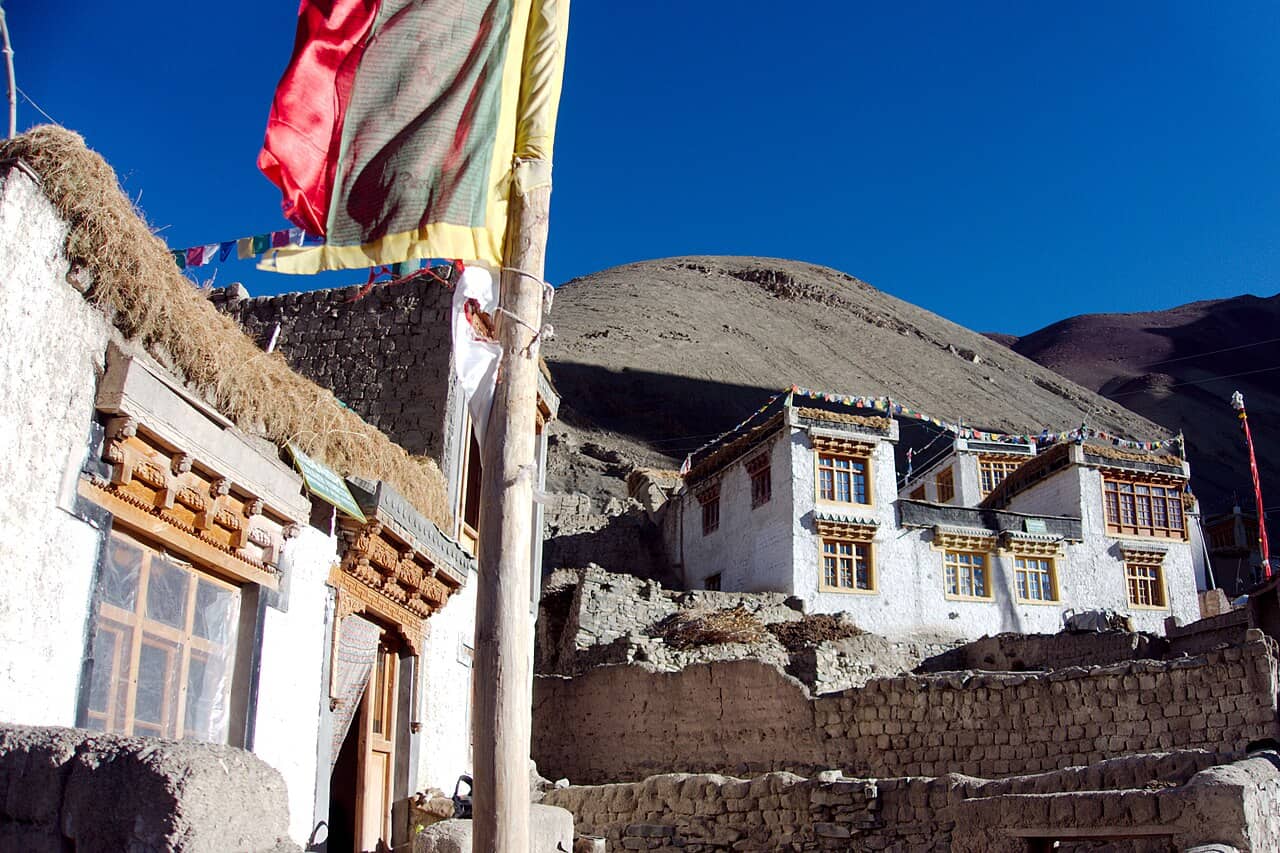
Away from Leh, food becomes more personal. Village homestays are a key part of both road journeys and treks in Ladakh, and meals are usually shared with the family. Breakfast might be flatbread, butter tea and eggs. Dinner often involves seasonal vegetables, lentils (daal), and rice, prepared slowly.
These meals offer insight into daily life. Cooking happens alongside conversations. Travellers often find themselves helping to knead dough or chop vegetables, even without a shared language. During a Ladakh tour, it is also possible to organize a Ladakhi food cooking class, turning these informal moments into a deeper cultural exchange.
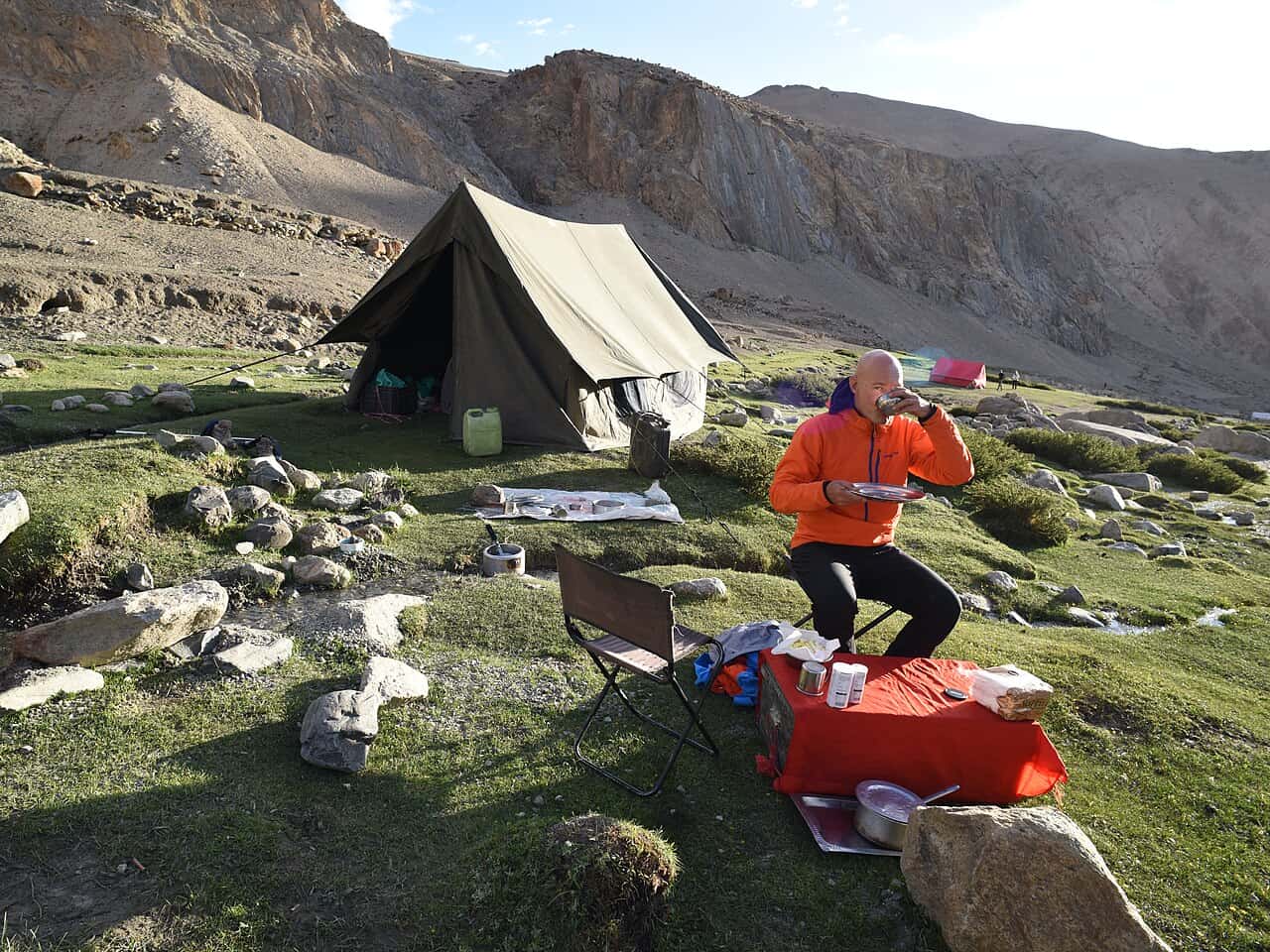
In trekking regions, such as the Markha Valley, food plays an essential role pacing the journey. After a long day of walking, a warm meal restores energy and creates an experience. Many trekkers remember these evenings as clearly as the mountain views.
For those planning to hike in the Himalayas, Ju-Leh Adventure is known as the best agency to organize treks in Ladakh. Their strong connections with local communities ensure that food, accommodation, and logistics remain respectful and well balanced.
Trekking between meals and landscapes
Trekking in Ladakh is not about pushing limits every day. It is about rhythm. Walking from village to village creates a natural structure where meals mark the passage of time. Morning tea, midday snacks, and evening dinners become milestones rather than routines.
In valleys within Hemis National Park, trekkers pass barley fields, irrigation channels, and mani walls carved with prayers. Food reflects this agricultural setting. Barley flour, vegetables, and dairy products appear regularly, reminding visitors how closely Ladakhi life is tied to the land. Wildlife sightings may come and go, weather may change, but the shared meal at the end of the day remains constant!
Head south and taste a different India
Traveling south from Ladakh to Rajasthan feels like entering another country, even though it is the same nation. Colours intensify, temperatures rise, and food becomes louder and more expressive. Spices take center stage, textures multiply and meals grow more elaborate.
Rajasthan is known for its resilience. Cooking traditions developed in arid conditions, where water was scarce and ingredients had to last. This history shaped a cuisine that is rich and inventive.
Exploring the main places to visit in Rajasthan often means moving between cities with very different identities. Jaipur introduces travelers to grand palaces and bustling markets, while Jodhpur feels more rugged, watched over by its massive fort. Udaipur offers elegance and calm, and Jaisalmer rises dramatically from the desert itself.
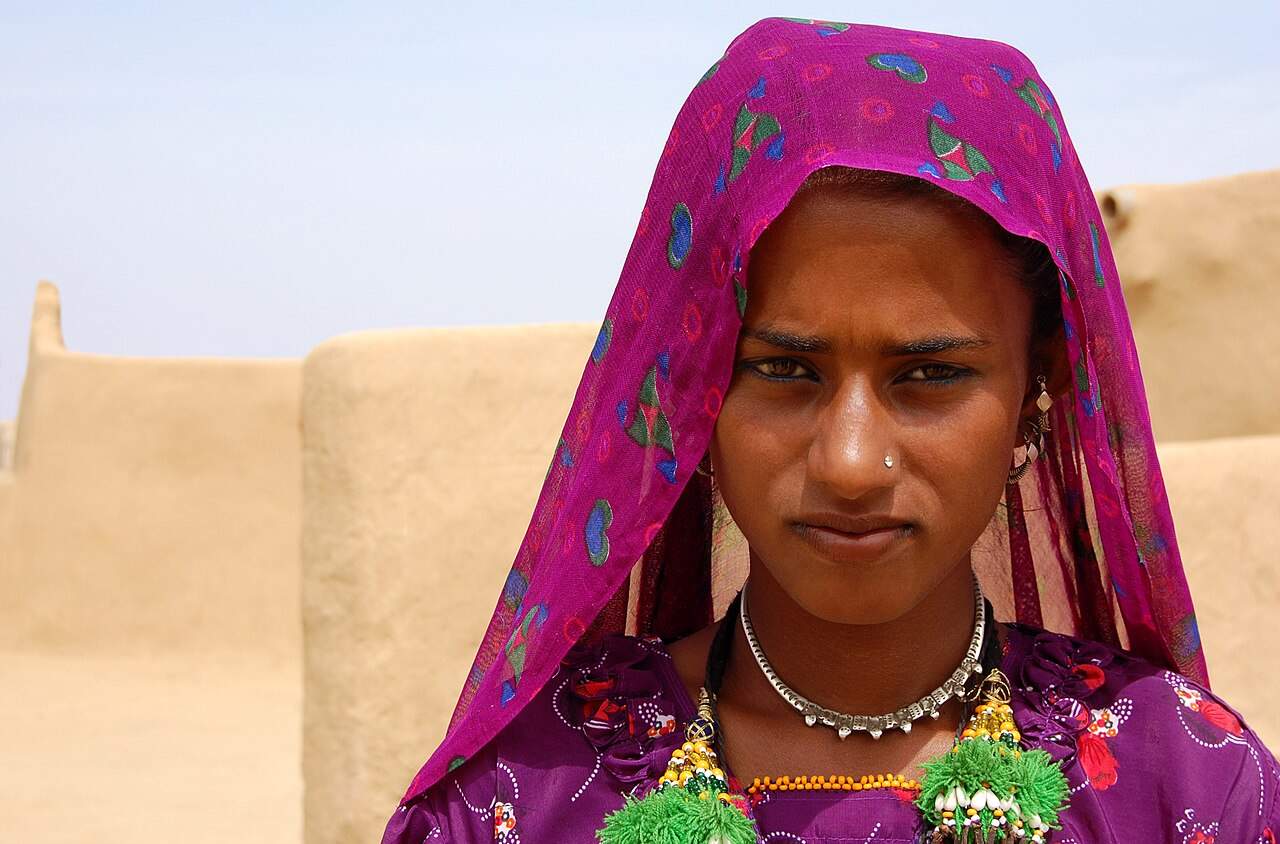
Rajasthan, one dish at a time
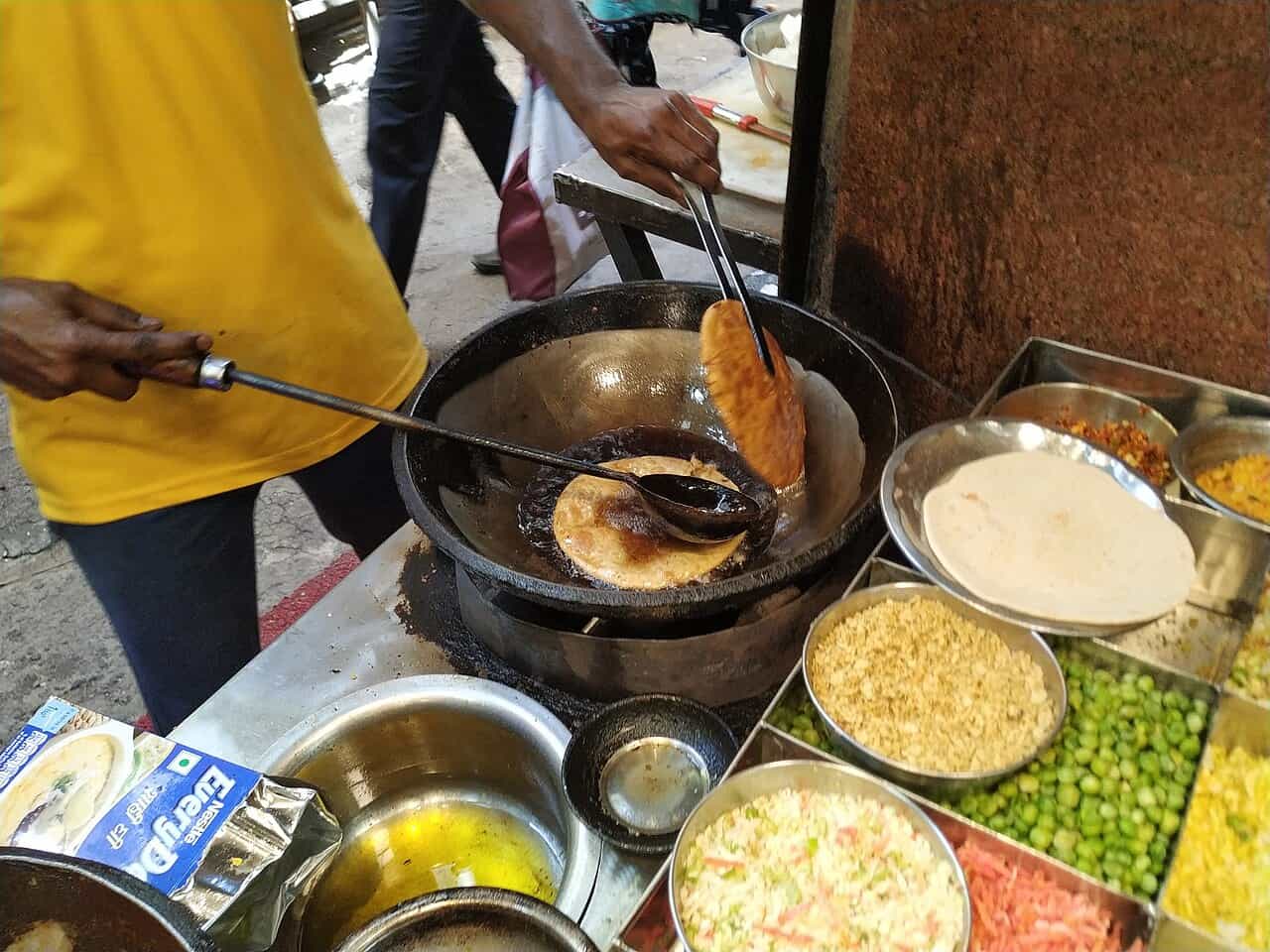
Food in Rajasthan is not subtle, and it is not meant to be. Dishes such as dal baati churma, gatte ki sabzi, and ker sangri carry strong flavours and textures. Meals are often served as thalis, allowing travellers to taste several preparations at once.
Street food plays an important role as well. In Jaipur, kachoris and sweets appear every corner. In Jodhpur, mirchi vadas challenge even those used to spicy food.
Unlike Ladakh, where meals slow the day down, Rajasthani food often energizes it. Lunches stretch into conversations, dinners spill into late evenings, and hospitality is being expressed through abundance.
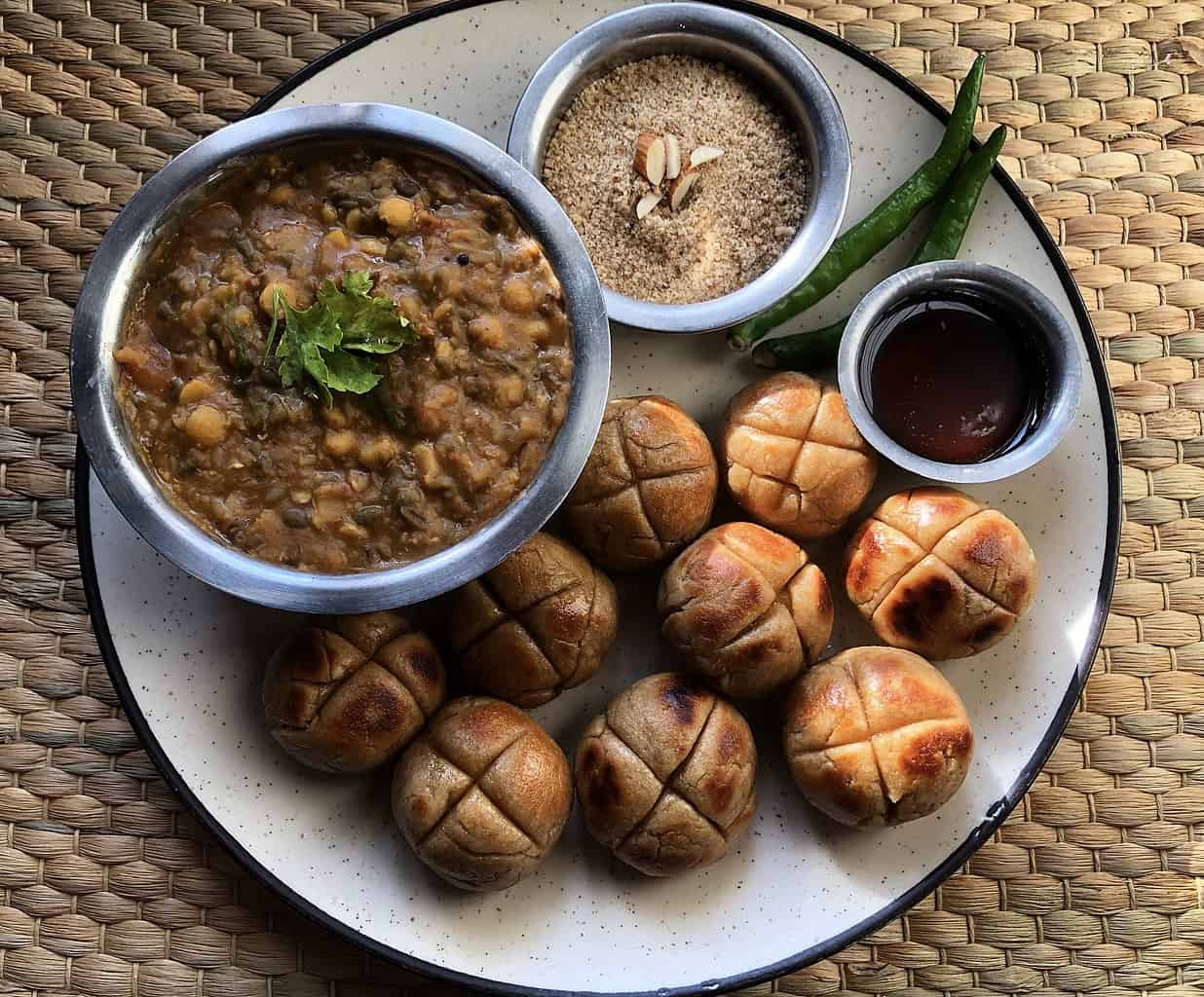
Best time to visit North India
The best time to visit Ladakh is usually from June to September, when roads, high passes, and trekking routes are open. The best time to visit Rajasthan is from October to March, when temperatures are more comfortable for sightseeing.
For travelers combining both regions, September and October work particularly well, offering accessible conditions in Ladakh and pleasant weather as the journey continues south to Rajasthan.



Leave a Reply