
Surfing is a great way to immerse yourself in nature and enjoy the ocean. However, before booking surfing lessons, one must consider some important factors. Knowing these can help one understand what is going on and stay safe. The following guide is intended to help newbies in their quest to get out on the water and ride some waves.

Understanding the Basics
It may help to internalize some basic concepts before stepping onto a board. Surfing is the act of riding on a surfboard, balancing as you navigate the waves. This requires physical strength and coordination. This is why beginners usually start on bigger boards, as they are more stable. Paddle practice is just as crucial for learning how to catch waves.
Choosing the Right Instructor
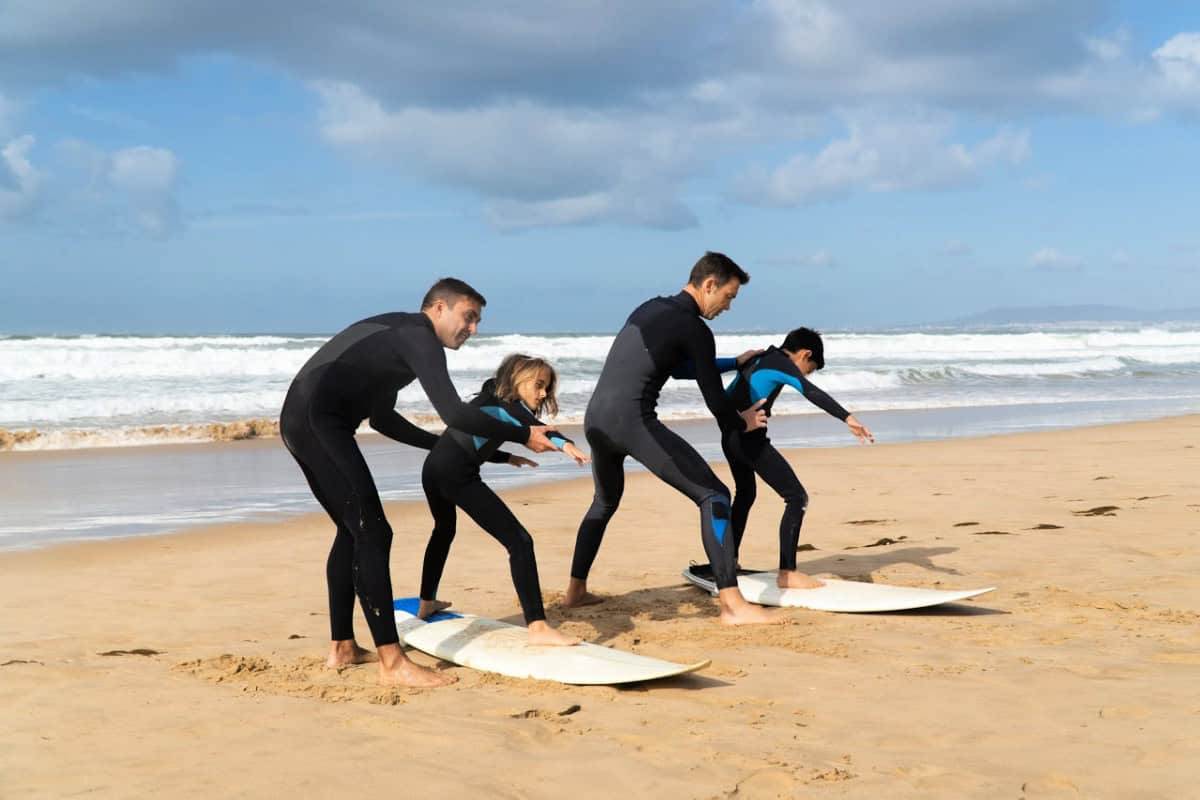
It is essential to select an instructor with extensive experience. A skilled instructor would work to make sure you are safe. If you're looking for an instructor, they should thoroughly know ocean conditions and how to teach. A good idea is to find certified instructors to give you structured lessons.
Read reviews and get recommendations to help you choose. Many beginners choose to take surfing lessons in San Diego where experienced instructors and consistent waves create the ideal learning environment.
Safety Considerations
Regardless, safety should always be the number one priority. The leash keeps the board connected with the surfer so that when the surfer goes out of the water, the board does not drift away. Beginners should put on safety vests, especially in deeper waters.
Knowing some basic hand signals is helpful for communication with instructors and other surfers. Be familiar with the local regulations and regulations.
Understanding Ocean Conditions
Knowing everything about ocean conditions is essential for a good day of surfing. The currents, tides, and wind, far more than waves, dictate surfing. Newer paddlers should practice in calmer water before heading out into rougher conditions. That means good weather forecasts and tide charts can be real eye-openers. It can also pay to listen to the local advice.

Essential Gear
A good kit can go a long way. In cooler waters, you will need a wetsuit for warmth. This is another occasion when picking a proper surfboard issue. Beginners usually go for soft-top boards because they are more forgiving and safer. You can prevent sunburn with sunscreen and water-resistant equipment.
Physical Preparation
Surfing is physically demanding. Core strength and balance are also beneficial. Yoga, swimming, and any other exercise improve stamina and flexibility. Paddling motions can also be practiced regularly. Overall, being in decent physical shape will ease learning or make it more enjoyable once learned.

Setting Realistic Expectations
Please manage your expectations accordingly. Surfing takes time to master. While it might take time initially, all you need is patience. Recognizing small victories can help in building confidence. Knowing everyone is different and learns differently can help ease frustration and encourage perseverance.
Respecting the Environment
The paramount principle is respect for the ocean and its surrounding environment. Surfers should take care not to litter and be trashy. Ocean life is a precious business. Being aware of local resort initiatives can encourage responsible practices. These principles will help keep the coast beautiful, so please encourage others to follow them.

Building Community
Surfing is all about feeling a sense of connection to others. Being part of the local groups can also help. Build camaraderie through shared know-how and experience.
Final Thoughts
Taking surfing lessons is one thing, but being prepared and knowing what to expect is another. The foundation of the life jackets is backed by diving insurance, including the selection of instructors and consideration of safety when diving. It also offers a rewarding way for all beginners. Supporting the ocean and each other adds depth to the adventure. The delight of surfing is eventually open to all with patience and practice.




Leave a Reply