
Moving to a new home can feel like a fresh start — but it’s also one of the most stressful life experiences. Psychologists say that relocation ranks just below divorce and job loss on the stress scale. And yet, every year, millions of people do it. Why? Because deep down, moving isn’t just about boxes and trucks — it’s about growth, change, and a new chapter in life.
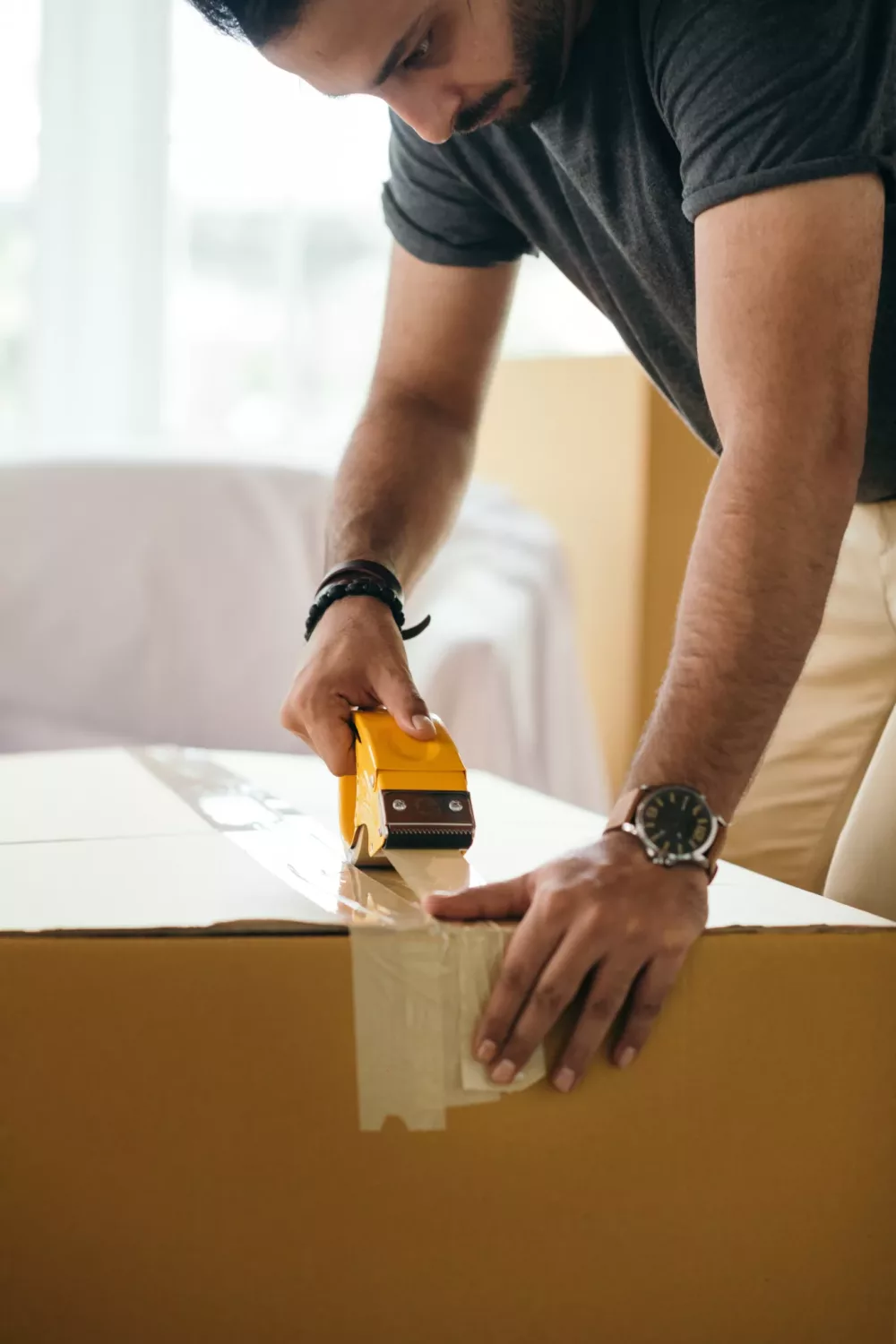
Understanding the psychology of moving
When you move, you’re not only changing your address — you’re leaving behind routines, familiar faces, and small daily comforts that make you feel safe. The human brain craves stability and repetition; that’s how it feels “in control.” A move disrupts that sense of control and introduces uncertainty. You might feel a mix of excitement and sadness — even grief for the old home. That’s completely normal.
Studies show that during relocation, people experience spikes in stress hormones like cortisol. This can make it harder to make decisions or even sleep well. Recognizing these feelings as part of the process — not as failure — is the first step toward a stress-free relocation.

How to turn chaos into structure
Planning is your best defense against stress. Break the move into smaller stages: declutter, pack, label, schedule. Create a checklist and stick it on your fridge or phone. Crossing off small tasks provides a psychological reward and gives you a sense of progress.
It’s also smart to start packing early — even small steps a few weeks before can make a huge difference. Begin with seasonal clothes or items you rarely use. Label boxes clearly and keep one “essentials” box for the first few days after arrival. This kind of structure brings calm in the middle of change.

The power of asking for help
Moving is one of those moments when you realize you can’t — and shouldn’t — do everything yourself. Accepting help is not a weakness, it’s a strategy. Friends can help you pack, but a professional moving company can save your time, energy, and peace of mind. Professionals know how to handle fragile items, lift heavy furniture safely, and manage logistics you might not even think about.

Entrusting the physical part of your move to experts lets you focus on the emotional one — saying goodbye, preparing your family, or simply taking care of yourself. As a rule, fewer last-minute problems mean fewer emotional breakdowns.
If you want a reliable, secure, and human-centered approach to moving, Pro Movers and Storage is an example of how the process can be both efficient and stress-free.
Emotional adaptation after relocation
Even after unpacking, adaptation takes time. The new house may not feel like “home” right away — and that’s okay. Bring familiar things into the new space: your favorite coffee mug, a cozy blanket, a plant that traveled with you. Small familiar details help the brain create a sense of comfort faster.
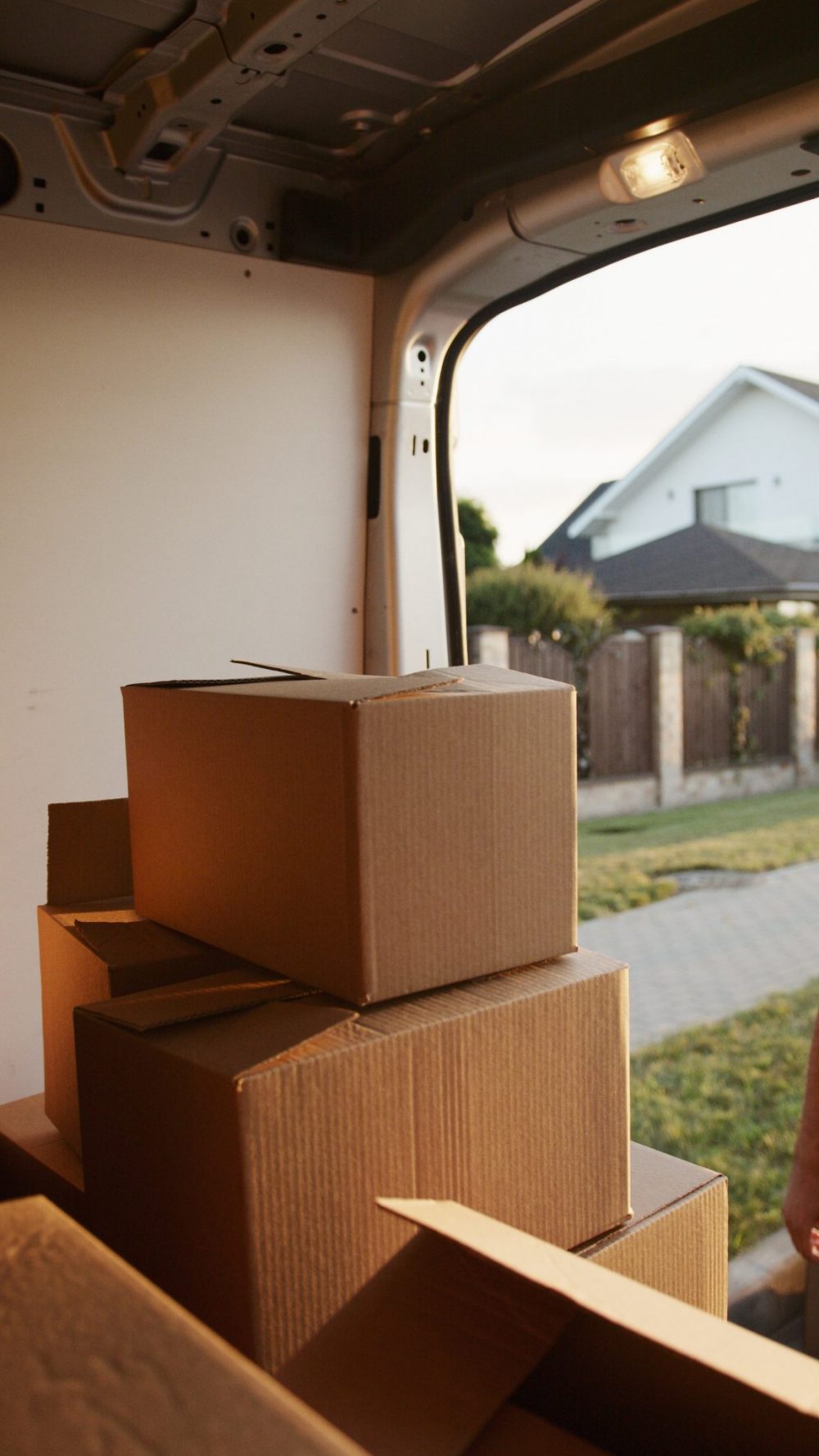
For children, pets, and even adults, establishing routines helps — have breakfast at the same time, take evening walks around the new neighborhood, introduce yourself to neighbors. Slowly, new habits replace old ones, and the new environment becomes emotionally safe.
Turning moving into a positive transformation
Relocation is often the start of something bigger — a new job, lifestyle, or even mindset. Instead of focusing on what you’ve lost, think about what you’ve gained: new opportunities, new experiences, and a new version of yourself. Change can be a source of strength if you treat it as an adventure rather than a disruption.

A stress-free move doesn’t mean a move without emotions. It means embracing those emotions and balancing them with structure, support, and empathy — for yourself and your loved ones.




Leave a Reply