
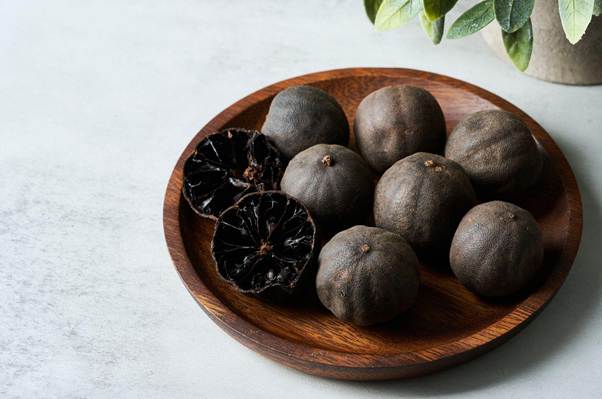
Loomi is a small ingredient with big personality: these dried black limes bring a sour, smoky, and slightly fermented depth that instantly makes a dish taste more complex and memorable. Loomi shows up in everything from slow-simmered stews to simple rice dishes, and once you learn how to use it, it is hard to go back to plain lemon juice.
What is loomi?
Loomi (also written lumi, loomi lime, loomi black lime, or Omani lime) is a whole lime that has been boiled in salted water and then dried until it becomes hard, light-brown to almost black, and intensely aromatic. In English, it is usually called black lime or dried lime, and in Arabic you may see it referred to as “loomi” or “noomi Basra.”
These limes are typically made from small, thin-skinned limes that are blanched and then dried in the sun for days or weeks until the inside turns dark and hollow. The drying process concentrates the natural acids and essential oils in the lime, transforming its bright, fresh tartness into something deeper, with notes that feel citrusy, earthy, slightly smoky, and faintly fermented rather than just sour.
Cultural significance of loomi
Loomi is strongly associated with the cuisines of the Persian Gulf and surrounding regions, especially Oman, Iraq, Iran, and Qatar. It is a pantry staple in many homes, used the way some families use vinegar or lemon: a default way to brighten and balance slow-cooked dishes.
Historically, dried limes made perfect sense in hot climates where fresh citrus was seasonal and preservation was essential. Drying kept the limes safe for long storage while turning them into a portable, lightweight souring agent that could travel easily along trade routes. Over time, loomi became more than just a preservation trick and turned into a signature flavor in Gulf stews, rice dishes, and even tea.
The difference with other dried limes
Not all dried limes are exactly the same. Differences in variety, blanching, and drying time create variations in flavor and color:
- Brown dried limes tend to be dried for a shorter time, often staying a little softer inside. Their flavor is usually more purely citrusy and less bitter.
- Black limes (what most people mean by loomi black lime) are fully dried, very hard, and more intensely flavored, with deeper, slightly fermented and smoky notes.
Some producers dry limes more gently or at lower temperatures, which preserves more floral, bright citrus aroma, while others develop darker, toastier flavors.
In the kitchen, that means that brown or lightly dried limes work well when you want gentle citrus lift, meanwhile fully black loomi is ideal for bold stews, rice dishes, and robust meats where its tangy, slightly bitter edge cuts through richness.
Recipes featuring loomi
Because loomi is so concentrated, a little goes a long way. It can be:
- Simmered whole (pierced with a fork) in stews, then removed before serving.
- Crushed or cracked and added to rice or braising liquids.
- Ground into loomi powder for quick rubs, marinades, and drinks.
Below are some ways to bring loomi into everyday cooking.
Classic loomi machboos
Machboos is a beloved rice dish from Qatar and the wider Gulf region, often compared to biryani but with its own regional personality. It layers fragrant basmati rice with meat, onions, tomatoes, peppers, and a richly spiced broth, and loomi plays a starring role in giving the dish its signature tang.
In a typical chicken machboos or lamb machboos, whole dried black limes are pierced and added to the pot with the stock and spices. As the rice and meat cook, the loomi slowly infuses the broth with a warm, citrusy sourness that gently cuts through the richness of the fat and the intensity of spices like cardamom, cumin, turmeric, ginger, and cinnamon. The result is a plate of rice that smells smoky and aromatic, where each bite feels balanced: the meat tastes savory and comforting, while the subtle, tangy notes from the loomi keep the dish from ever feeling heavy.
If you want to see how loomi fits into an authentic machboos and explore both the history and a detailed recipe for chicken machboos, this guide is a great deep dive and inspiration point.
You can play with the same idea at home: for chicken machboos, use 2–4 pierced loomi simmered with the stock and spices, meanwhile for lamb machboos, you might add an extra dried lime or let them cook longer to stand up to the stronger flavor of lamb.
After cooking, you can either discard the limes or mash a little of the softened interior back into the rice for an extra sour punch.
Loomi lime drink
Loomi also works beautifully in drinks, especially on hot days when you want something refreshing but not overly sweet. A simple loomi lime drink takes its cues from traditional loomi tea and citrus coolers.
Here’s a basic loomi lime drink idea: first, lightly crush 1–2 dried limes and simmer them in water for about 10–15 minutes, just until the liquid tastes pleasantly sour and aromatic, than strain the liquid and chill it. Finally, sweeten lightly with honey or sugar and finish with a squeeze of fresh lime or lemon for brightness.
Now you can serve it: over ice with mint leaves, as a warm loomi tea, with a touch of honey and perhaps a slice of fresh ginger, or mixed with sparkling water for a tart, smoky soda-style drink.
This drink is an easy entry point into the loomi lime recipe world because it lets you taste the pure flavor of dried lime without other strong ingredients getting in the way.
Loomi spiced stews and soups
Where loomi really shines is in long-simmered stews and soups, where its flavors have time to infuse:
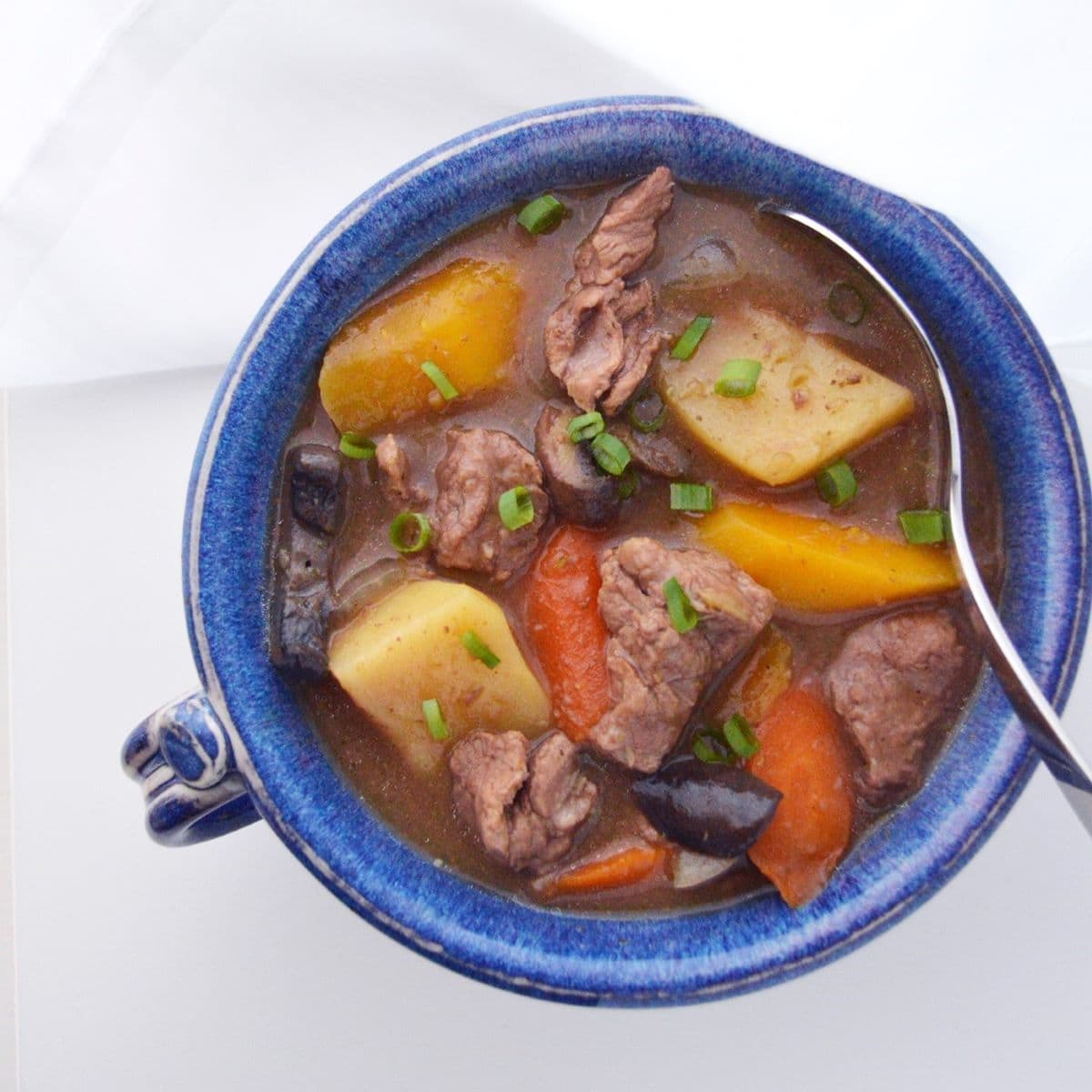
- In meat stews (beef, lamb, or oxtail), pierce 1–3 dried limes and add them as the stew cooks. They slowly release tangy, slightly fermented notes that offset the richness of the meat.
- In chicken soups, loomi dried lime adds a bright, citrus backbone that is less sharp than lemon but more complex, turning a simple broth into something layered and comforting.
- In lentil or chickpea stews, ground loomi powder can be sprinkled in with cumin, coriander, and turmeric to add acidity without adding extra liquid.
A simple traditional-style stew might combine onions, garlic, tomato, warming spices, and your choice of protein or legumes, simmered gently with pierced loomi black limes until the broth tastes balanced, savory, spicy, and tangy.
How to buy loomi
Finding loomi is easier than ever, especially if you are willing to shop online. The key is to look for quality and freshness, even in a dried product.
Buying loomi locally
Locally, you are most likely to find loomi in:
- Middle Eastern, Persian, or South Asian grocery stores.
- Halal markets with a good spice section.
- Well-stocked international aisles in larger supermarkets.
When choosing, you want to look for limes that feel very light but intact, without obvious mold or soft spots. Colors can range from light tan to deep brown or nearly black, but avoid anything with a dusty, grayish coat or strange odors. The aroma should be clearly citrusy and pleasant when you crack one open, not musty or flat.
Purchasing loomi online
If you do not have a local market, several spice companies and Middle Eastern food shops sell whole loomi or loomi powder.
When shopping online, you want to read reviews to see comments about aroma and freshness and choose sellers who clearly state origin, processing, and ingredients (it should essentially just be dried limes). It is always better to start with a small quantity if you are experimenting, since a little goes a long way and the flavor is powerful.
FAQ about loomi
What does loomi mean?
“Loomi” is a regional term for dried lime, widely used in Arabic-speaking countries around the Gulf and in some neighboring cuisines. In everyday cooking language, if someone mentions loomi, they usually mean whole dried black limes rather than fresh fruit.
What does loomi taste like?
Loomi tastes tart, citrusy, and slightly bitter, with an earthy, smoky, and faintly fermented character. It is less sharp than fresh lime juice but more complex, and it brings both sourness and aroma rather than just acidity.
What is loomi used for?
Loomi is used primarily as a souring and flavoring agent. It adds citrusy tang and depth to:
- Stews and soups (especially Gulf and Persian recipes).
- Rice dishes like machboos.
- Braised meats and legume dishes.
- Spice blends, rubs, and marinades when used in powdered form.
- Drinks and teas where a smoky, complex citrus note is desired.
Is loomi good for your health?
Black lime still contains many of the beneficial plant compounds found in fresh limes, such as vitamin C (though some is lost in drying), flavonoids, and aromatic oils. In everyday cooking, it is used in small amounts as a flavoring, so its impact is modest but generally considered positive as part of a balanced diet. As with any spice, it is not a cure-all, but using loomi instead of relying solely on salt or heavy fats can support flavorful cooking that feels lighter and more digestible.
Can you make loomi in a dehydrator?
Yes, you can approximate loomi in a dehydrator at home. The traditional process involves blanching limes in salted water and then sun-drying them for days or weeks, but a dehydrator can stand in for the sun.
First, briefly blanch whole limes in salted water, than dry them in a dehydrator at a low temperature until they become very hard and dry all the way through.
The flavor will be close, though not always identical to long sun-drying.
Even if you start with just one recipe for machboos or a simple loomi lime drink, bringing loomi into your kitchen opens the door to a whole new flavor language, one that is smoky, citrusy, and quietly addictive.



Leave a Reply