
A cutting board is one of the most-used, yet often underappreciated tools in the kitchen. It’s where ingredients meet intention, where a tomato becomes salsa, a roast becomes dinner, and an apple becomes a snack. Choosing the right cutting board isn’t just a matter of aesthetics - it affects knife life, food safety, cleanup, and how pleasant your prep time feels.
This guide walks you through the practical details and the taste-driven choices so you can pick a cutting board that matches your cooking style and makes time in the kitchen easier and more enjoyable.
Start with your cooking habits (the most important factor)
Before you look at materials or sizes, think about how you cook.
- Quick weekday cook: You likely want a low-maintenance, versatile board that’s light and easy to clean. Sizes 11”–15” wide work well.
- Home chef who preps lots of vegetables: A larger board (16”–20”) with a flat surface and juice groove helps manage volume and contain liquid.
- Meat-focused cook / barbecuer: You’ll want a large, sturdy board - ideally separate boards for raw meat and produce to avoid cross-contamination.
- Baker: A smooth, stable surface is key for rolling dough. Wider, thicker boards with minimal grain texture are comfortable.
- Minimalist who values appearance: End-grain wood boards or a sleek composite can be both functional and a design piece.
Deciding your primary use narrows choices quickly: size, thickness, and whether you need a dedicated board for meat, seafood, and produce.
Material matters: pros, cons, and who they suit
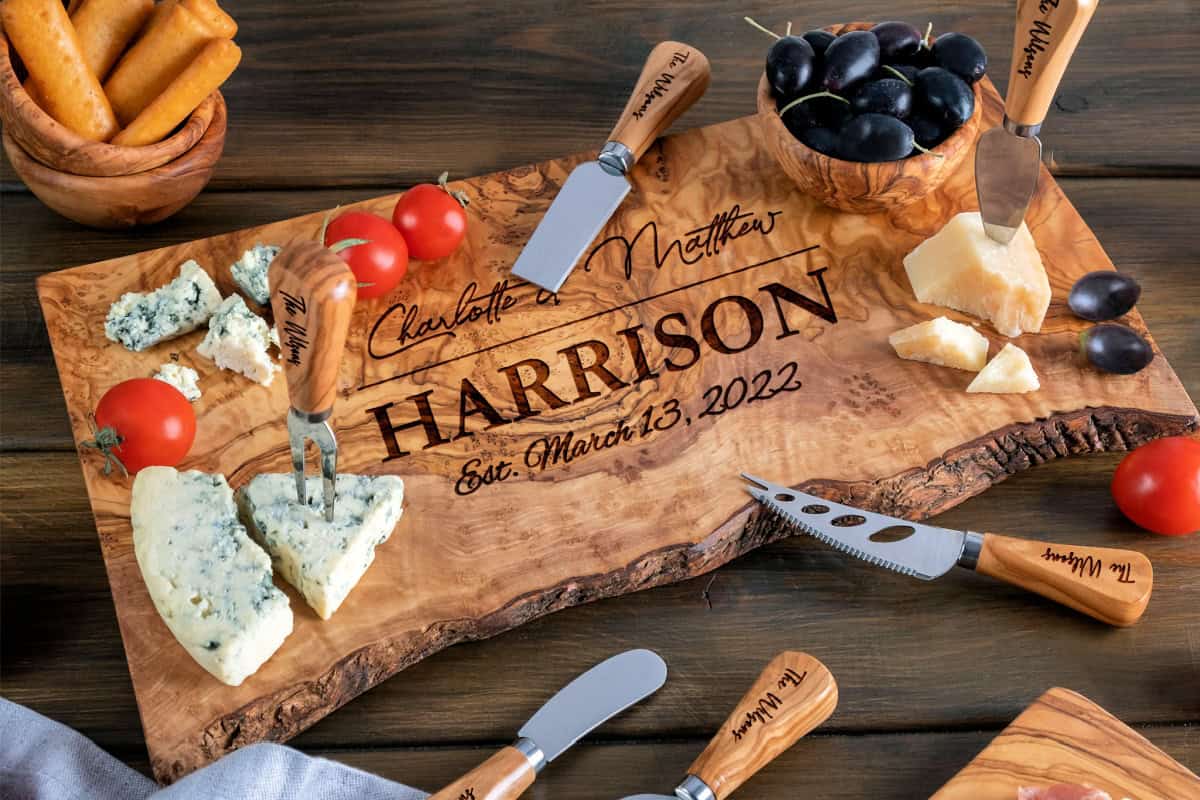
Wood (Hardwoods: maple, walnut, cherry, teak, olive)
Pros: Gentle on knives, naturally antimicrobial to an extent, long-lasting if cared for, beautiful finishes.
Cons: Requires oiling, not dishwasher-safe, can stain or retain odors if not cleaned properly.
Best for: Home cooks and bakers who value knife care and aesthetics. End-grain hardwoods are especially forgiving to blades.
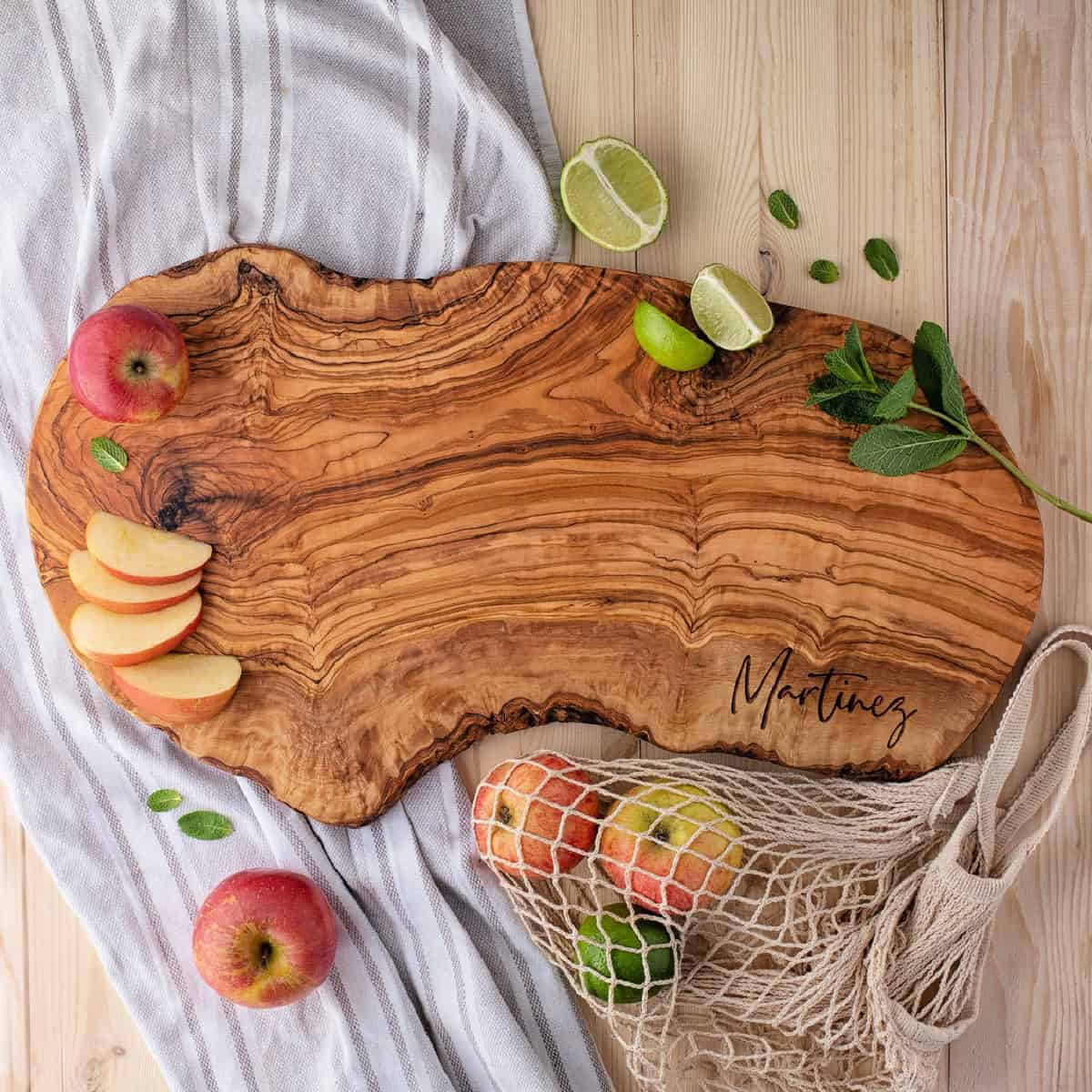
Bamboo
Pros: Renewable, lightweight, relatively hard and affordable, visually appealing.
Cons: Can be harder on knives than maple, may split over time, quality varies.
Best for: Eco-conscious cooks who want a durable, budget-friendly board.
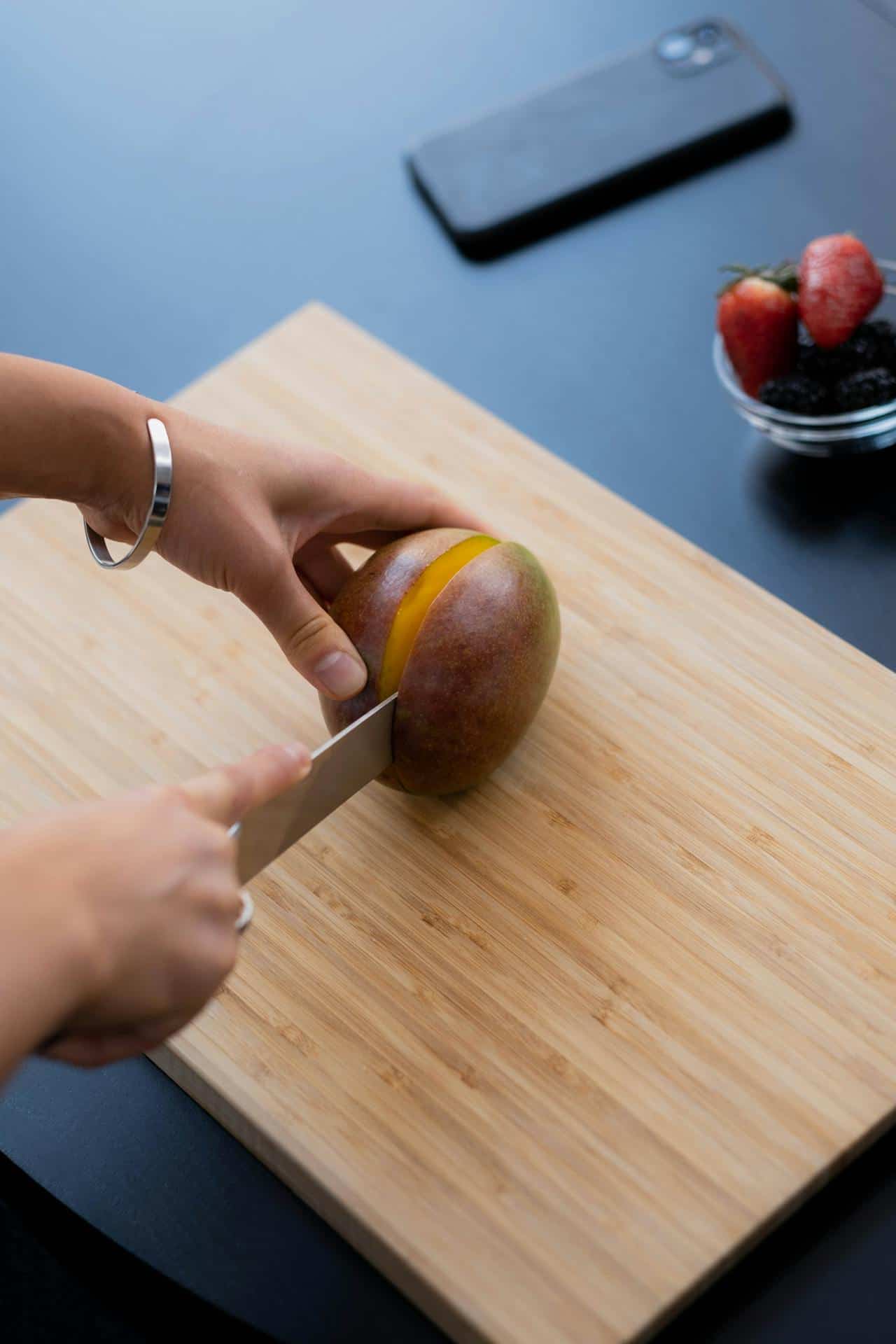
Plastic (Polyethylene, polypropylene)
Pros: Dishwasher-safe, inexpensive, color-coding possible (great for food safety), non-porous.
Cons: Can scar deeply with knives, which can harbor bacteria over time; less attractive.
Best for: Busy cooks who need easy sanitization and separate boards for raw meat and produce.
Composite (Resin-infused wood, Richlite, Epicurean)
Pros: Durable, often dishwasher-safe (check manufacturer), knife-friendly, heat-resistant, consistent look.
Cons: Can be more expensive, less “natural” looking.
Best for: Cooks who want low maintenance with the look and feel of wood.
Glass, Marble, Ceramic
Pros: Very hygienic, easy to clean, elegant.
Cons: Extremely hard on knives (dulls edges quickly), slippery, noisy.
Best for: Presentation purposes (like serving), not everyday cutting.
Board construction: end-grain vs edge-grain vs face-grain
- End-grain: The wood fibers stand upright; knife cuts go between fibers, not across them. This is the most knife-friendly, self-healing (to some degree), and durable option. It’s heavier and can be pricier.
- Edge-grain (or face-grain): Boards made from long strips of wood glued together. More affordable and stable, attractive, and still good for knives but shows cuts more easily than end-grain.
- Face-grain: Slices of wood showing the surface grain; usually thinner and less durable.
If you care about preserving your knives and want a board that resists visible cuts, opt for end-grain. If you want something lighter, edge-grain is a great compromise.
Size, thickness, and weight — practical considerations
- Size: A small board (~8”–11”) is handy for quick tasks and small kitchens. A medium board (~12”–15”) is the general-purpose sweet spot. Large boards (16”–24”) are excellent for big-prep days, carving, or cheffing.
- Thickness: Thicker boards (1.25”–2”) tend to be more stable and durable; thin boards are lighter and easier to store but warp more easily.
- Weight: Heavier boards feel sturdy and stay put; lighter boards move easily but may slip. If you prefer a heavy end-grain board but have limited storage, consider a medium-thickness composite that balances weight and durability.
Tip: If you frequently work with big cuts of meat or lots of veg, choose a larger, heavier board. For compact kitchens and single-plate prep, a mid-size will do just fine.
Design features that make life easier
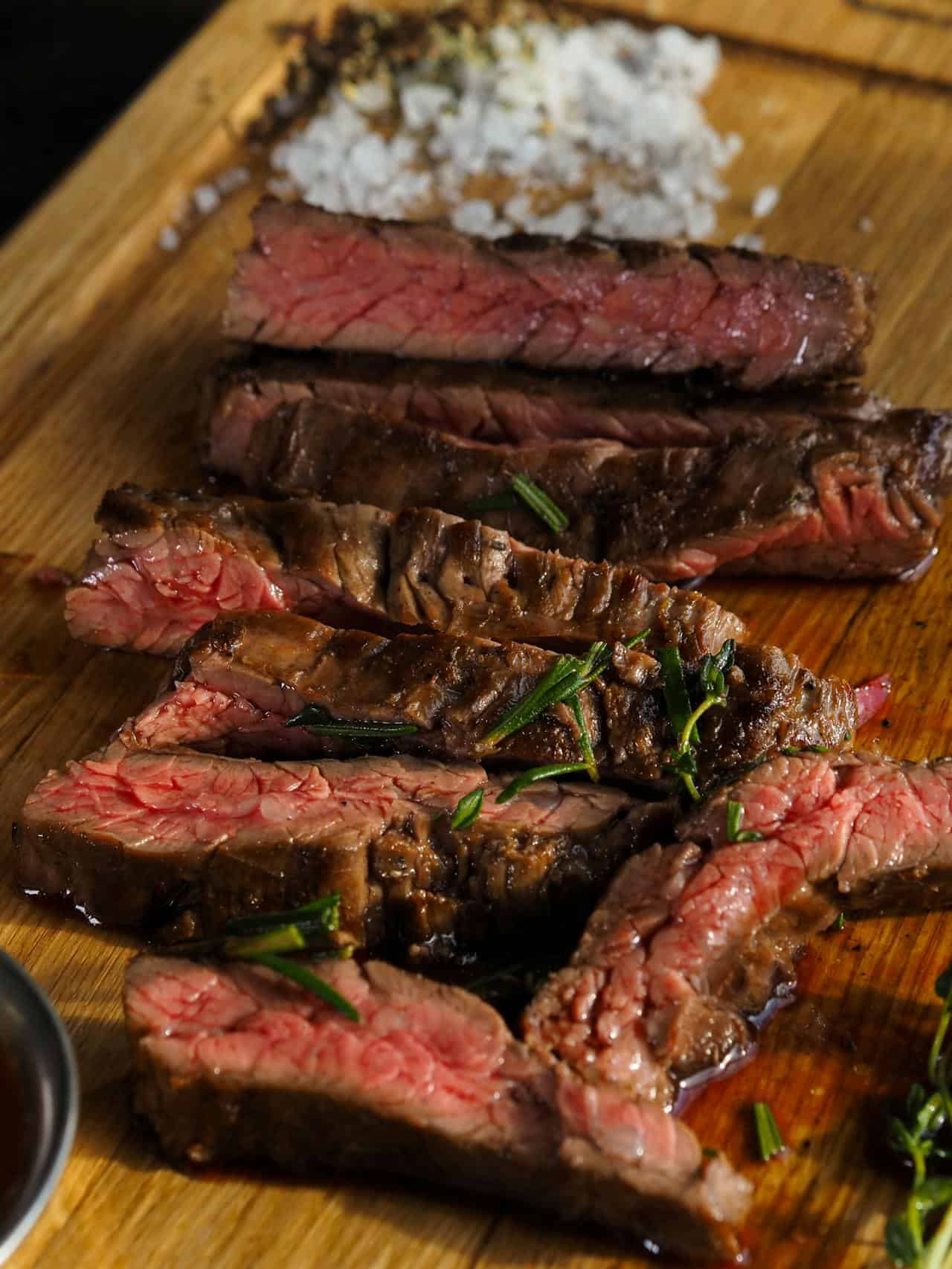
- Juice groove: Essential if you carve meats or work with juicy fruits to control runoff.
- Feet or non-slip grips: Prevents sliding. Rubber feet or anti-slip pads are helpful when cutting on smooth countertops.
- Handles: Cut-out or integrated handles make carrying and storage easier.
- Double-sided design: One side flat for dough, one side with groove for messier tasks.
- Color-coding or labeling: Especially useful if you’re using multiple boards for meat, fish, veggies - minimizes cross-contamination.
Food safety and maintenance
Wood: Wash with warm, soapy water and dry immediately. Periodically treat with food-grade mineral oil or a board cream (oil + beeswax) to prevent drying and cracking. For odors, rub with lemon and coarse salt, then rinse. Avoid submerging or using the dishwasher.
Plastic: Dishwasher-safe on most models - excellent for sanitization after raw meat prep. Replace when deeply grooved.
Composite: Follow manufacturer instructions - many are dishwasher-safe and low maintenance.
Important: Even with wood’s natural antimicrobial properties, do not use the same board for raw meat and produce without washing thoroughly. Consider dedicated boards or color-coding.
Matching boards to cooking styles
- The Weeknight Warrior (fast, varied meals): A medium-sized plastic or composite board (12”–15”) — easy to clean, dishwasher-safe, and flexible for different tasks.
- The Home Chef (knife-savvy, enjoys technique): An end-grain hardwood board (18”+), thick and heavy, that protects knives and looks great on the counter.
- The Baker: A wide, flat hardwood or composite board with a smooth surface for rolling and dusting flour. Keep one board reserved for dough to prevent cross-contamination.
- The Grill & Roast Master: A large board with a juice groove for carving. Consider a second board for raw prep or use a dishwasher-safe plastic for raw meat.
- The Minimalist / Stylish Host: A smaller end-grain or rich-looking walnut board for both prep and serving. Choose one with a refined finish and maintain it with oiling.
- The Eco-Conscious Cook: Bamboo or sustainably-sourced hardwood; look for FSC certification or reclaimed wood options.
Budget and lifespan
Expect to spend:
- Low-end ($10–$30): Basic plastic or thin bamboo - functional but may need replacement sooner.
- Mid-range ($30–$100): Good hardwoods (edge-grain), higher-quality composites - balance of durability and care.
- Premium ($100+): Large end-grain boards, handcrafted or designer pieces - long-lasting and beautiful.
A well-cared-for hardwood board can last years or decades; plastic should be replaced when deep grooves form. Consider the total cost of ownership: a pricier board that protects your knives and lasts long can be the smarter buy.
Eco and ethical considerations
If sustainability matters:
- Choose bamboo or certified sustainably-harvested hardwoods (look for FSC certification).
- Consider reclaimed wood boards - they’re unique and reduce new harvesting.
- Avoid boards with toxic finishes - use only food-safe mineral oil and beeswax-based finishes.
Storage and care routine
- Store boards upright on a rack or vertically between plates to encourage airflow and prevent warping.
- Never leave wood boards soaking or stacked when wet.
- Add a weekly or biweekly oiling routine (depending on use) to keep wood hydrated - a thin coat of food-grade mineral oil does wonders.
- For stubborn stains or odors, coarse salt + lemon or a baking soda paste can help.
Wrap-up
A cutting board is more than a surface - it’s an investment in the rhythm of your kitchen. The right board makes prep feel smoother, protects your knives, and can even lift the look of your counter. Whether you go for the forgiving end-grain hardwood that needs a little love, the no-fuss plastic that simplifies cleanup, or a modern composite that offers the best of both worlds, choosing a board with your cooking habits in mind will pay off every time you reach for a knife.
If you want, tell me how you cook (what you make most often, how much counter space you have, whether you prefer low maintenance or craftsmanship) and I’ll recommend three specific board types and sizes tailored to your kitchen.


Leave a Reply