
You open the fridge, stare at a collection of random containers and wonder what to do with leftovers. Instead of letting them sit until they become a science experiment, give them a second life. With a little creativity, yesterday's dinner can become today's most exciting meal. The biggest shift you can make is how you look at leftover food.
That half-eaten roast chicken isn't just "old dinner," it's shredded chicken ready to go into tacos, a creamy pasta, a hearty soup or a fresh salad. When you start seeing leftovers as prepped ingredients rather than reheated meals, the possibilities open right up.
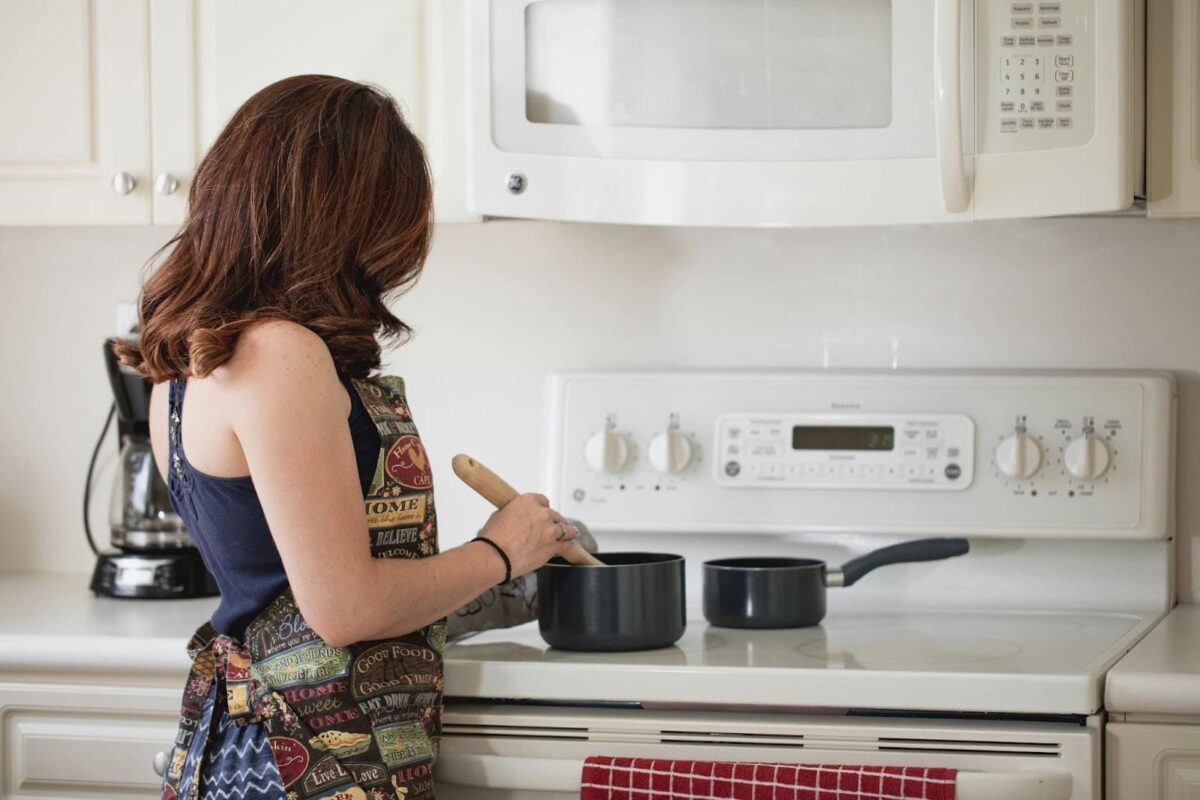
Turn Last Night's Protein Into Today's Star
Leftover meat is one of the easiest things to transform. The key is adding fresh flavor (a new sauce, a handful of fresh herbs, a squeeze of citrus) so the dish feels completely new:
- Roast chicken or turkey: Shred it into quesadillas, stir-fries or chicken noodle soup.
- Beef: Slice it thin for sandwiches or chop into a hash with potatoes and onions.
- Pork: Pull it apart for sliders or wrap into a burrito with beans and salsa.
- Fish: Flake it into tacos with slaw and lime or stir through pasta.
Use Leftover Rice and Grains as Your Secret Weapon
Cooked rice, quinoa or farro that's been sitting in the fridge is actually better for certain dishes because it's had time to dry out a little. Day-old rice is the gold standard for fried rice, fresh rice is too moist and clumps together.
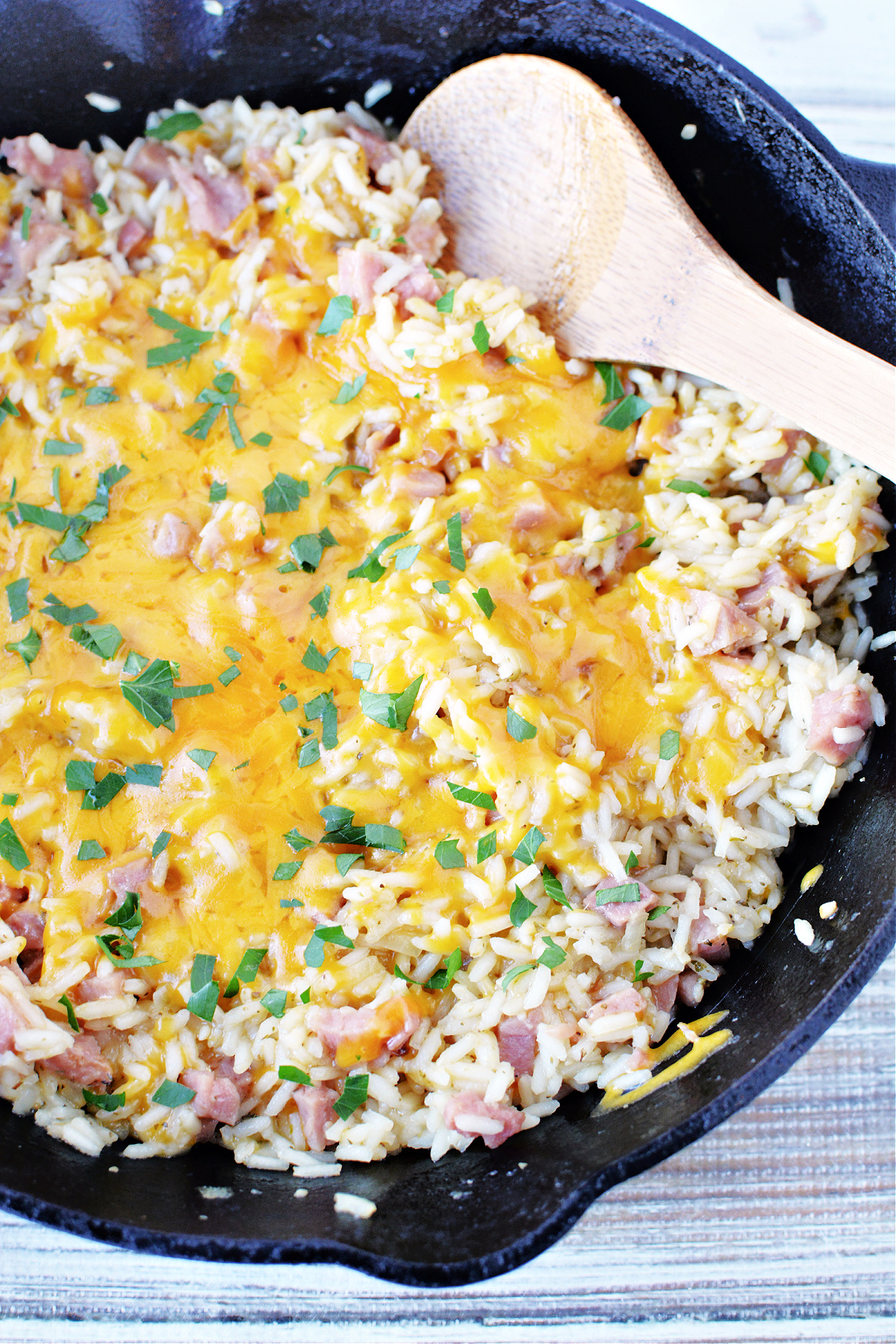
Leftover grains work well in grain bowls topped with roasted veg and a soft-boiled egg, stuffed into halved bell peppers with beans and cheese, or stirred straight into broth-based soups to bulk them up. They're one of the most versatile things you can keep in your fridge.
Reinvent Roasted Veggies in a Whole New Dish
Leftover roasted vegetables are incredibly versatile. They're already cooked and seasoned, which means they're ready to be repurposed into something completely different. Roasted squash, sweet potato, zucchini and peppers all work especially well.
Try blending them into a creamy soup with stock and a splash of cream, or chop and fold them into a frittata for a filling breakfast. They're also great layered onto flatbreads with cheese and herbs, or tossed with pasta, olive oil and parmesan for a quick weeknight dinner.

Make Soup Your Go-To Clear-the-Fridge Meal
When you're unsure what to do with leftovers, soup is almost always the answer. It's forgiving, flexible and a great way to use up odds and ends before they go bad.
A simple base of onion, garlic and stock can pull together almost anything you have on hand. Leftover pasta, beans, lentils and cooked vegetables all work. Even the end of a block of cheese can be grated over the top for a finishing touch.
Pack a Better Lunch With What You Already Have
One of the smartest things you can do with leftovers is pack them for lunch, but give them a little refresh so it doesn't feel like the exact same meal. Add a fresh element like a handful of arugula, a new dressing or some crunchy croutons to make it feel new again.
If you're looking for what to do with leftovers that also saves you money, packing a lunch from leftovers is one of the easiest wins. Bringing a meal from home is a simple habit that adds up to real savings over the course of a work week.
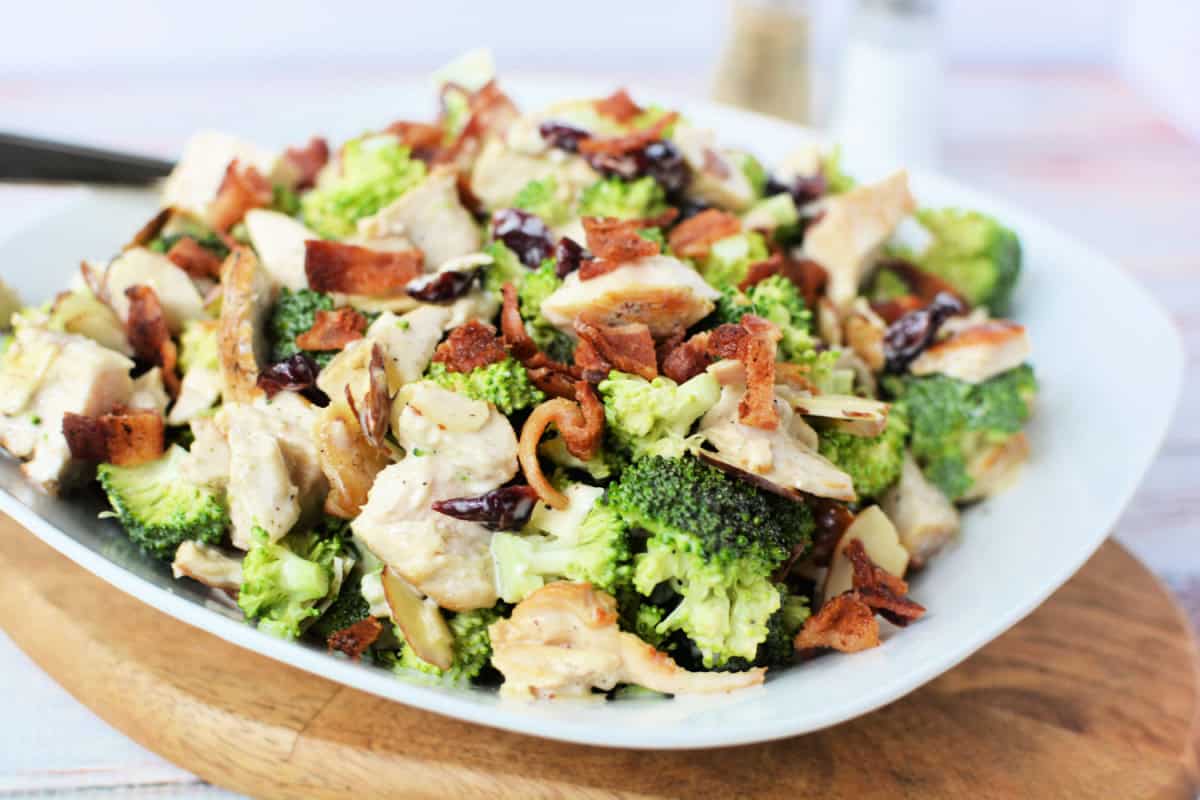
Rescue Bread, Pasta, Potatoes and Fruit From Going to Waste
Some of the most commonly wasted foods in the kitchen are also the easiest to repurpose:
- Stale bread: Make croutons, breadcrumbs or a classic bread pudding.
- Leftover mashed potato: Shape into patties and pan-fry into crispy potato cakes, or use as a topping for shepherd's pie.
- Cooked pasta: Bake into a frittata with eggs and cheese for a satisfying next-day meal.
- Soft fruit: Blend into smoothies or simmer into a simple compote for yogurt or oatmeal.
Keep These Simple Habits in Your Back Pocket
A few easy habits make leftover cooking safer and more consistent. Store leftovers in airtight containers and refrigerate them as soon as they've cooled. Label and date everything so you always know what's in there, aim to use most cooked food within three to four days, and always reheat until piping hot all the way through.
Knowing what to do with leftovers just takes a willingness to see what's already in your fridge as a head start. Once you make it a habit, you'll save money, cut down on waste and put genuinely good food on the table every day.




Leave a Reply