
Households, businesses and industries create tons of waste daily, ranging from harmful materials such as food scraps, packaging, and electronic waste, to industrial and hazardous waste. With a growing global population and higher consumption rates, waste management is no longer a choice but a necessity.
Proper waste management is more than just tossing waste into a bin for collection, but rather an effective waste management strategy that involves a lifelong process of managing waste to reduce it. This prevents waste from filling up landfills and contaminating the environment.
When not managed properly, waste can cause harm to humans and the environment, leading to land, air and water pollution, and inevitably destroying natural resources and critical ecosystems.
Therefore, proper waste management is something that businesses and households must consider to ensure environmental sustainability and a more sustainable future.

The Importance of Managing Waste and Effective Waste Disposal Methods
Waste management refers to the collection, transport, processing, recycling, or disposal of waste materials. It covers everything from residential and industrial garbage, including toxic waste and various types of hazardous and organic waste.
Waste management aims at reducing the harmful effects of waste on humans and the environment while helping to conserve natural resources.
It includes sustainable practices for waste reduction to dispose of waste and minimise waste generated in the first place.
Proper Waste Management is Crucial for the Following Reasons:
Environmental Protection
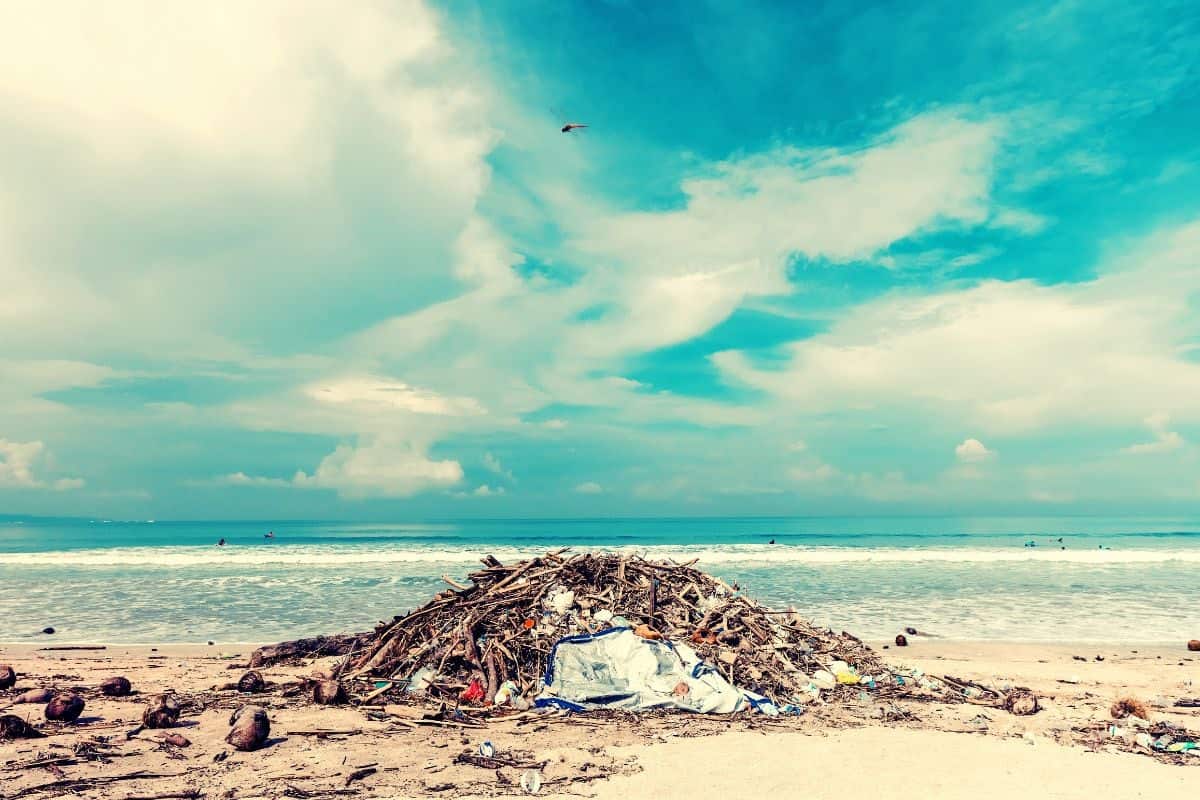
Improper waste disposal, as well as waste disposed of in landfills, increases the risk of contamination to nearby soil and water bodies. Similarly, emissions from waste lead to air pollution. Managing waste properly reduces the risk and volume of pollution created by waste.
Public Health
Unmanaged waste and improper disposal could lead to a breeding ground for pests and diseases. Thus, improper waste management and disposal directly threaten human health and lives.
Conservation of Resources
Recycling and reusing waste reduces the need for natural resources to create products. Natural resources such as organic materials like trees are used to create raw materials, which also leads to deforestation and the destruction of natural environments as the need for products rises.
Energy Savings
Recycling materials typically requires much less energy than sourcing them from natural resources. Energy efficiency can cut down costs and reduce pollution caused by fuels and other materials required for production.
Climate Change Mitigation
Landfills typically contribute to climate change because of air pollution. Reducing waste that ends up in these landfills essentially slows down the process of carbon emissions and combats climate change.
Reducing Plastic Pollution
Plastics are non-biodegradable and end up in landfills and in the ocean, where they cause much harm to the environment. Reusing or substituting recyclable materials such as plastics along with recycling helps to reduce the amount of plastics ending up in the oceans and other water bodies.
Understanding Waste Management and Waste Treatment
Before we get into a few waste management strategies, it is important to understand the fundamentals, which may include conducting waste audits. Waste management requires proper waste disposal through handling or treatment of waste to make it effective.
What Is Waste Treatment?
Waste treatment refers to the processes used to change the physical, chemical, or biological character of waste to make it safer, easier to handle, or more suitable for reuse or disposal.
This often includes:
- Composting of organic waste.
- Incinerating waste to reduce its volume.
- Mechanically sorting and separating waste for recycling.
- Chemically treating hazardous waste to render it less toxic.
- Biologically treating sewage and industrial waste to make it safer.
How Do They Work Together?
Waste management is a strategy or plan to handle waste in such a manner as to reduce its harmful effects and volumes before disposal. Waste treatment is a critical step in waste management to render waste less harmful and to reduce its volume.
5 Effective Ways to Manage Waste
Now that you understand the background, let’s get into five actionable strategies you can implement at home or in your workplace to manage waste responsibly.
1. Reduce Waste at the Source
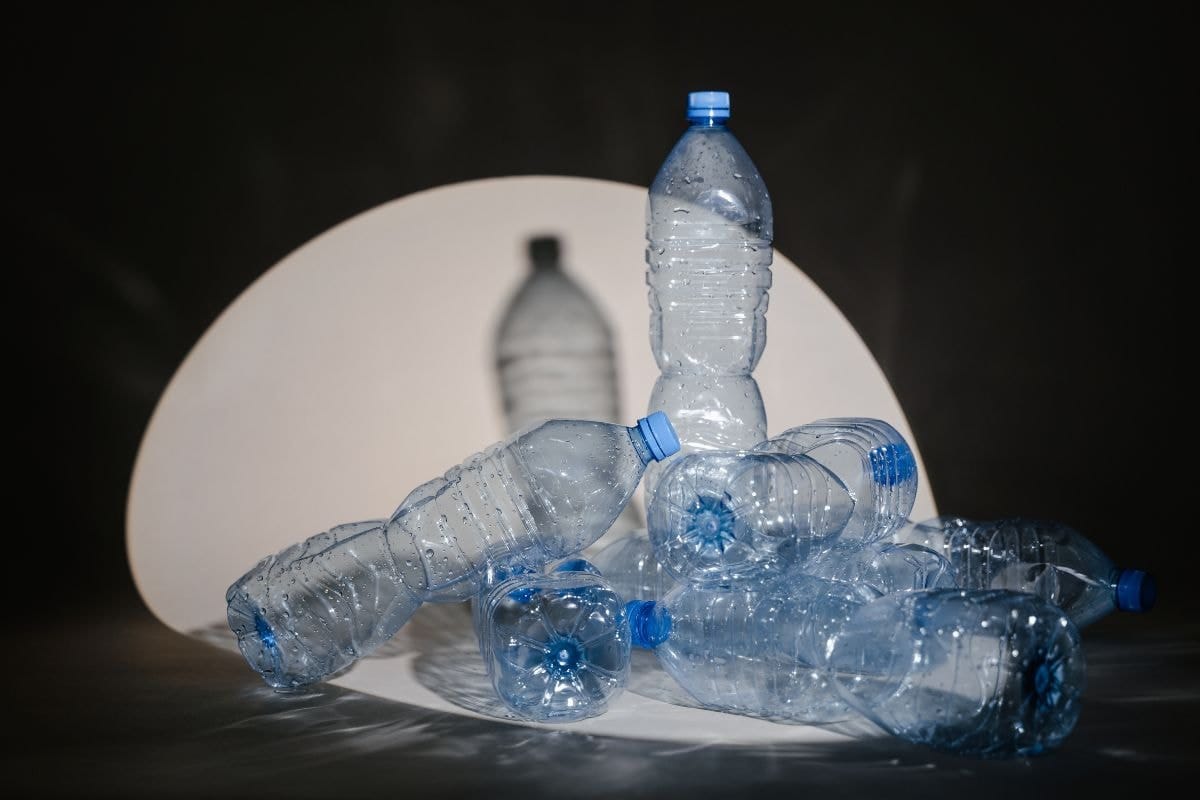
Reducing waste is the most effective method to treat waste in the first place. When you are mindful of your consumption and consider what you use, you can implement strategies that eliminate certain types of waste.
- Buying items in bulk reduces the need for excessive packaging.
- Opting for reusable water bottles, metal straws, cloth bags, and other reusable packaging or items reduces waste.
- Using digital methods to send documents is also a method of reducing paper waste.
- Furthermore, opting for reusable items rather than single-use plastics also reduces the need for raw materials.
2. Reuse and Repurpose Packaging Waste
Packaging waste is often discarded; however, these are usually the types of waste that you could easily reuse or repurpose.
- Use glass jars and bottles for storage.
- Donate old clothing, utensils, and electronic items.
- Rather than throwing something broken in the trash, she tries to fix or repurpose parts of it.
- Use scraps of paper, fabrics, wood and other items to get creative and make something useful.
3. Recycle Properly to Protect Natural Resources
Recycling is an essential step in modern waste treatment. However, it is important to ensure that you recycle recyclable waste properly.
- Use specific bins or bags for every type of waste, such as glass, tin, and paper.
- Clean your recyclable waste before disposal.
- Take electronic waste and hazardous waste to the right facilities for disposal and treatment.
4. Use Organic Waste and Food Waste for Organic Waste Composting
Food scraps, yard waste, garden waste and most biodegradable waste types are excellent sources of compost that you can use for plants and enriching soil.
- Create a separate garden area for a compost heap or use a compost bin.
- Use fruit and vegetable scraps along with garden scraps, and add them to the bin or heap.
- Make sure to mix the compost regularly to aerate it.
- Use the compost in your garden to enrich the soil for plants.
- Also, avoid adding meats, dairy and oils to the compost as it may attract pests.
5. Dispose of Hazardous Materials and Hazardous Waste Responsibly
Hazardous waste such as solvents, petrol, motor oil, paints, batteries and toxic chemicals requires proper treatment and disposal methods to render it safe.
- Try to find a local hazardous waste collection facility to ensure safe treatment and disposal.
- Never pour chemicals or oils down the drain, as it contaminates water resources.
- Read the labels on chemicals to find the right disposal methods.
- Store hazardous waste securely before disposal.
Hazardous waste can cause serious health risks and serious environmental risks. Proper disposal of liquid waste protects your community and natural ecosystems.
Proper waste management is everyone's responsibility, from your household to businesses, industries and the government. Small changes, proper planning and effective waste reduction strategies help to minimize waste and render it less harmful to our environment.
Waste management is an essential practice today that could save lives and our planet in the future.




Leave a Reply