
We’ll cut straight to the chase: neither method is universally better. Both cold and hot herbal infusions have their benefits (and potential cons, depending on why you're drinking them).
In short, if your goal is a strong infusion fast, hot wins almost every time. If you hate bitterness and don't mind waiting a few hours, cold is the way to go.
So yes, the "better" option depends on why you're making it. But that's the short (and incomplete) explanation. Temperature doesn't just affect how long the process takes. It also changes flavor, aroma, extraction, shelf life, and even which compounds end up in your cup or bottle.
So before you dump another handful of herbs into hot water simply because that's how you've always done it, it's worth knowing what you're gaining and what you're giving up.
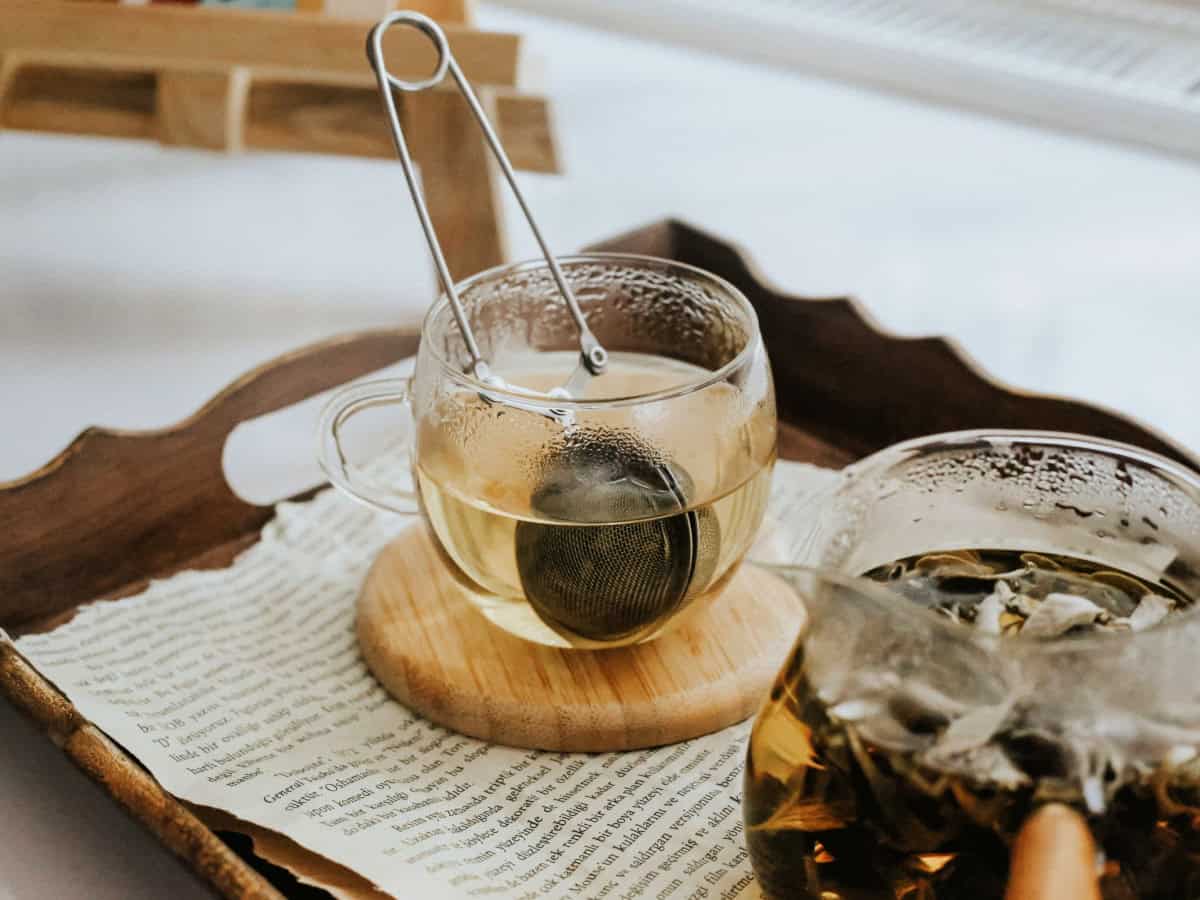
Hot Infusions Get Straight to the Point
Hot water doesn't waste any time. Pour it over dried herbs and things start happening immediately: plant cells soften, aromatic compounds release, and flavor shows up quickly. Usually with a lot more force than you'd get from a cold steep.
That's why chamomile, peppermint, ginger, and similar herbs are traditionally prepared hot. You can make a cup in ten minutes and actually taste what you paid for.
The trade-off? Heat can pull out compounds that aren't always welcome. Tannins, for example. Some people enjoy that sharper edge. Others take one sip and wonder why their tea suddenly tastes like a tree branch.
Cold Infusions Have a Milder Personality
Cold infusions aren't exactly a weaker version of the hot drink. They are, however, often a smoother version.
Mint is a good example. Cold-infused mint tends to taste cleaner and less aggressive. Hibiscus loses some of its bite. Certain floral herbs are also easier to drink without sweeteners.
The catch? You need patience. A cold infusion doesn't care that you're thirsty right now.
Which Method Pulls Out More Good Stuff?
Online, you're likely to find claims that hot water destroys everything valuable. You can also find claims that cold infusions barely extract anything useful. Neither position holds up particularly well.
Hot infusions usually extract more polyphenols and flavonoids overall. But the difference isn't dramatic.
Besides, some delicate compounds handle lower temperatures better. Certain herbs simply taste better when every possible compound isn't being dragged out of the plant at once.
Sometimes maximum extraction is the goal. Other times, drinkability is.
Both are valid.
A Quick Reality Check on Timing
People tend to overcomplicate the timing.
For most herbs:
- Hot infusion: about 5 to 15 minutes
- Cold infusion: about 6 to 12 hours
That's it. You don't need a stopwatch. If you've forgotten about your cold infusion overnight, congratulations, you've probably done exactly what many herbalists do.
Filtration Matters A Lot
Here's something that gets skipped in a lot of tutorials: a mediocre filtration process can ruin an otherwise great infusion. This is because tiny plant particles keep releasing compounds after the infusion is supposedly finished. Sometimes that's harmless; other times it muddies the flavor and shortens shelf life.
That's why people making larger batches often move beyond basic kitchen strainers and use proper equipment like an herbal infusion filter press. Better filtration means fewer leftovers floating around in the final product and a cleaner, more consistent result.
Shelf Life
Fresh herbal infusions are one of those things that seem healthy and wholesome right up until they start growing microbes. Then, they can be dangerous.
Water-based infusions generally stay at their best for a few days in the refrigerator. Cold infusions often have a slightly shorter window than hot ones because they never get that initial heat treatment.
When in doubt, trust your senses. If it smells strange, looks strange, or makes you hesitate for even a second, that's usually your answer.
So Which One Is Better?
Truthfully, the better method is the one that gives you the result you actually want. It's that simple.
Hot infusions are great when you want bold flavor, faster extraction, and a cup that's ready quickly. Cold infusions are better if you prefer smoother flavors and dislike bitterness (they're also great for cocktails).
Most people who spend enough time experimenting with herbs stop choosing sides. They keep using both.