
Everyone should learn How to Make Your Home a Safer Place for Kids and Seniors, because a home should be a place where everyone moves freely and confidently.
But when you have young children and aging adults under the same roof, everyday spaces can hide risks you might not notice at first. A slippery floor, a dim hallway, or a cluttered corner can quickly turn into a safety issue.
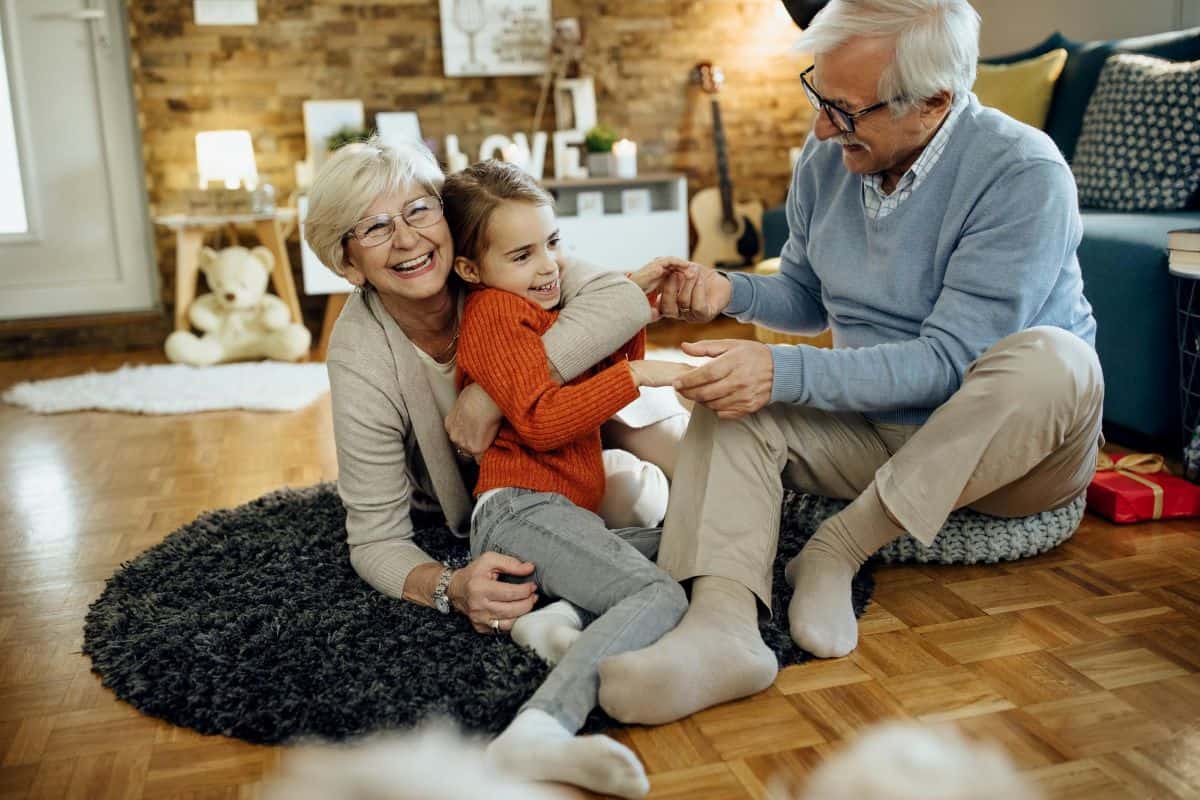
Creating a safer home does not require major renovations or a medical look. Small, thoughtful changes can lower the risk of falls, burns, and accidents while supporting independence at every stage of life.
With the right approach, your home can grow with your family and protect the people who matter most.
Improve Hallways, Entryways, and Transitions for Easier Movement
Hallways and entryways act as the connectors of your home. When these spaces are tight, dark, or cluttered, moving from room to room becomes harder and riskier for both kids and seniors.
Start by clearing pathways and keeping furniture pushed back. Add bright, evenly distributed lighting so shadows do not hide obstacles. Light switches near doorways and motion-activated lights can make a big difference.
Visual cues also improve safety. Use contrasting colors between floors and walls, place non-slip mats at entrances, and avoid sudden level changes when possible. Small adjustments in transition areas can greatly reduce trips and collisions.
Floor Safety Starts with the Right Surfaces
Floors cover more surface area than any other part of the home, which makes them a major factor in fall prevention. Slick surfaces and unsecured rugs pose problems for both young and older household members.
Choose flooring with built-in traction, especially in kitchens, bathrooms, and entryways. If replacing floors is not an option, add non-slip mats or textured runners in high-traffic zones. Secure every rug with a quality pad, so edges do not curl or shift.
Keep floors clean and dry throughout the day. Wipe spills quickly, and avoid waxes or polishes that leave a slippery residue. Consistent floor safety habits lower everyday risks.
Design Stairways for Stability, Not Speed
Stairs demand extra attention because a single misstep can lead to serious injury. For kids, steep or narrow steps increase the chance of slipping. For seniors, poor lighting or shallow treads can make climbing feel intimidating.
Install sturdy handrails on both sides of the staircase and make sure each step has consistent height and depth. Add bright lighting at the top, bottom, and along the stair run so every step is easy to see.
In homes with multiple levels, added accessibility features such as ramps, wider doorways, or stair lifts can help individuals with mobility challenges move between floors more safely and independently. When stairways support steady movement instead of rushed steps, everyone benefits.
Make Kitchens Safer Through Smart Storage and Layout
Kitchens combine heat, sharp tools, and heavy items, which makes organization essential. Poor layout forces people to reach, bend, or climb, increasing the chance of falls and burns.
Store everyday dishes, cookware, and pantry staples at waist or chest height. Place heavier items on lower shelves so they are easier to lift without strain. Keep frequently used tools within arm’s reach.
Create clear walking paths between appliances and counters. Secure cords, keep floors dry, and avoid overcrowding countertops. A well-organized kitchen supports safer movement and easier tasks for all ages.
Make Your Home Pest-Free
Pests do more than create discomfort. They carry bacteria, trigger allergies, and contaminate surfaces, which puts children and seniors at greater risk of illness. A safer home starts with controlling what attracts pests and blocking where they enter.
Store food in sealed containers, take trash out regularly, and wipe counters and floors daily. Seal gaps around doors, windows, and utility lines. Fix leaks quickly, since standing moisture invites insects like ticks and rodents.
When basic prevention is not enough, many households seek long-term solutions for a guaranteed pest-free home. Consistent professional care, paired with good sanitation habits, helps protect vulnerable family members and maintain healthier living spaces.
Rethink Bathrooms as High-Control Safety Zones
Bathrooms expose people to water, smooth surfaces, and tight spaces, which raises the risk of slips and loss of balance. Simple upgrades can greatly improve stability without changing the look of the room.
Install grab bars near toilets and inside showers or tubs. Use non-slip mats both inside and outside bathing areas. A shower chair or handheld showerhead can make bathing easier and safer.
Consider installing anti-scald devices on faucets and setting water heaters to a safe temperature. These small adjustments protect sensitive skin and reduce injury risk for both children and seniors.
Create Calm, Clutter-Free Bedrooms for Rest and Recovery
Bedrooms should promote deep rest while allowing safe movement at any hour. For children, clutter becomes an invitation to climb or trip. For seniors, low light and tight pathways increase fall risk.
Start by keeping clear walking paths between the bed, door, and bathroom. Remove loose rugs, cords, and unnecessary furniture. Choose sturdy bed frames and nightstands that do not shift when weight is applied.
Lighting plays a major role in bedroom safety. Use soft nightlights, bedside lamps with easy-to-reach switches, or motion-activated lights that turn on automatically. Keep essential items such as glasses, water, and medications within arm’s reach.
Choose Furniture That Supports Balance and Prevents Tip-Overs
Furniture should add comfort, not risk. Lightweight or unstable pieces can shift when leaned on, increasing the chance of falls for kids and seniors.
Select sturdy chairs with solid arms and firm cushions. Anchor tall items like bookshelves and dressers to the wall. Avoid glass-top tables and sharp edges in high-traffic areas.
Arrange furniture to create clear walking paths and avoid tight squeezes between pieces. Thoughtful furniture choices improve stability and reduce everyday accidents.
Wrapping Up
A safer home is built through awareness and everyday choices. When you pay attention to how people move, rest, and use each space, safety becomes part of daily life instead of a special project. Thoughtful updates today can prevent painful accidents tomorrow. More importantly, they create a home where kids can explore, seniors can stay independent, and everyone feels comfortable and secure.


Leave a Reply